BN
|
Strait of Hormuz Closure Risks $200 Oil Spike, Analysts Warn
Markets

Strait of Hormuz Closure Risks $200 Oil Spike, Analysts Warn

Oil prices have surged to $100 per barrel following the Middle East conflict, with a 51% increase in March. Analysts from Macquarie and Bank of America warn that if the Strait of Hormuz remains closed, prices could exceed $200, risking global economic damage akin to 1970s energy crises. President Trump predicts a quick end to the conflict and falling gas prices, while his administration has released strategic reserves to ease supply shortages. Bank of America outlines scenarios ranging from $77.50 to over $150 per barrel based on conflict duration, with severe recession risks in worst-case outcomes. The situation highlights the vulnerability of oil supply chains to geopolitical events and policy changes.

Ad slot
Trump's Iran War Burdens Europe with Energy Crisis and NATO Doubts
Politics

Trump's Iran War Burdens Europe with Energy Crisis and NATO Doubts

President Donald Trump's unilateral war on Iran has burdened Europe with managing the Strait of Hormuz closure, leading to an energy crisis. His 'we broke it, you own it' stance demands European action while he disengages, threatening NATO over ally support. This has eroded transatlantic trust, prompting Europe to fast-track energy independence and defense capabilities. The EU faces internal debates over energy policy, with some seeking Russian deals amid high costs. Ultimately, Europe is reshaping its strategy to reduce reliance on an unpredictable US ally.

Boost Bone Density: Natural Strategies Beyond Medication
Health

Boost Bone Density: Natural Strategies Beyond Medication

Val Stones, a 'Great British Baking Show' star, was diagnosed with osteoporosis at 56 after a fall, highlighting the condition's silent nature and prevalence among older women. Experts stress that bone density can be improved through a combination of calcium-rich diets, vitamin D, protein, and exercises like resistance training and high-impact activities. Lifestyle adjustments, such as reducing sodium and alcohol intake, support bone health, while DEXA scans enable early detection. Although medication is necessary for some, Stones demonstrates that natural methods can effectively manage osteoporosis. The overarching message emphasizes that bone strength is built over time through consistent, balanced habits and regular medical check-ups.

Jim Cramer's Top 10 Stocks to Watch After Trump's Iran Speech
Markets

Jim Cramer's Top 10 Stocks to Watch After Trump's Iran Speech

On April 2, U.S. stock futures declined after President Trump's Iran conflict address, which heightened geopolitical risks and triggered a 9% jump in oil prices. Analysts from major banks issued several rating updates: Bank of America upgraded Vale, UBS downgraded Wix, and Citi raised its target for Cheniere Energy. Airline stocks faced widespread target cuts due to fuel cost concerns, while restaurant chains Brinker and Cava received positive revisions. Paramount and Boeing also saw reduced price targets, with Paramount facing debt worries and Boeing awaiting conflict resolution. The market reaction underscored the sensitivity of equities to geopolitical events and energy price fluctuations.

Iran War Demands Fuel Oil Price Surge on Trump Hardline
Politics

Iran War Demands Fuel Oil Price Surge on Trump Hardline

Iran is negotiating an end to the US-Israeli conflict but insists on a comprehensive settlement beyond a ceasefire, including full cessation of strikes, reparations, sanctions relief, and recognition of its Hormuz control. Tehran concerns a US withdrawal without guarantees could let Israel maintain military freedom, risking renewed war. To counter this, Iran might leverage oil prices and its Hormuz 'tollbooth' system to pressure the global economy. These geopolitical tensions have contributed to a surge in oil prices. Iran's strategy focuses on ensuring long-term security through economic and territorial leverage, highlighting the stakes in ongoing talks.

Trump's 'Liberation Day' Sparks Global Investment Diversification
Markets

Trump's 'Liberation Day' Sparks Global Investment Diversification

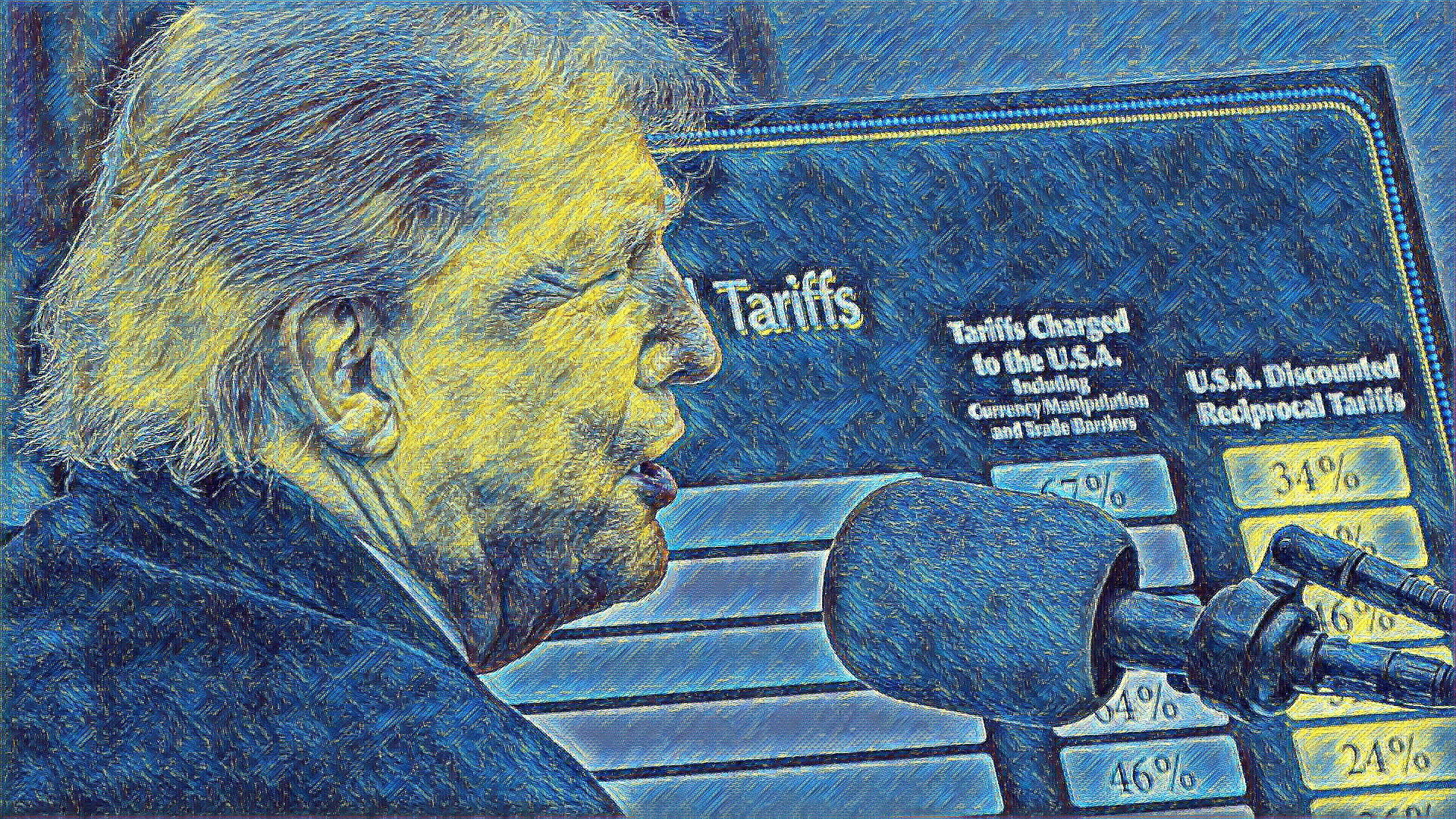
On April 2, 2025, President Trump announced extensive 'liberation day' tariffs, causing global market panic and a 'Sell America' trend. Over the past year, U.S. assets have remained volatile due to policy unpredictability, while markets in Brazil, the U.K., and Japan have outperformed the S&P 500. Despite tariff reductions and a Supreme Court ruling against the policy, new investigations have been initiated. Global investors are increasingly diversifying away from U.S. holdings, reassessing the narrative of American exceptionalism. Experts suggest that while recent trends favor non-U.S. markets, long-term U.S. growth potential remains, underscoring the importance of diversification.

Trump Iran Threat Boosts Oil, SpaceX IPO Filed, Sam's Club Hikes Fees
Markets

Trump Iran Threat Boosts Oil, SpaceX IPO Filed, Sam's Club Hikes Fees

President Trump's threat to attack Iran's oil infrastructure if no deal is reached in weeks caused oil prices to surge 8% and stock futures to fall. SpaceX confidentially filed for an IPO with a potential $1.75 trillion valuation, eyeing a June listing. Republican leaders in Congress backed a two-track plan to fund the Department of Homeland Security. Eli Lilly received FDA approval for its weight loss pill Foundayo, with prices from $25 to $349 monthly, and its CEO criticized White House drug pricing plans. Sam's Club increased annual membership fees to $60 and $120. U.S. markets are closed Friday for Good Friday.

March Jobs Report: War's Hiring Impact Looms
Business

March Jobs Report: War's Hiring Impact Looms

The March US jobs report is expected to show 60,000 new jobs and 4.4% unemployment, signaling a normalization after volatile months. The Middle East conflict has not yet affected the report due to survey timing but could pressure hiring through rising energy costs. AI was cited in 15,341 job cuts in March, indicating a growing trend of technology-driven workforce reductions. Economists warn that if the war continues, sectors like restaurants, transportation, and manufacturing may face early employment declines due to cost increases. Unemployment could rise to 4.7% later in the year under prolonged conflict. The labor market remains stable with low hiring and firing rates, but external shocks may alter this dynamic.

Senate Approves Partial DHS Reopening Bill Amid Shutdown
Politics

Senate Approves Partial DHS Reopening Bill Amid Shutdown

The U.S. Senate has unanimously approved a bill to partially reopen the Department of Homeland Security, but it excludes funding for immigration enforcement and border patrol. The bill returns to the House, which previously rejected it but may now consider it following an agreement on a larger spring funding package. Both chambers are on a two-week recess, holding pro forma sessions, while the House vote timing is uncertain. This move could help end the partial government shutdown affecting DHS operations. Negotiations continue, and the situation remains fluid.

Stellantis-Backed Leapmotor Surpasses 100k EVs Again as BYD Sales Fall
Business

Stellantis-Backed Leapmotor Surpasses 100k EVs Again as BYD Sales Fall

In Q1 2026, Leapmotor delivered 110,155 new energy vehicles, up 26% year-over-year, marking its fourth straight quarter above 100,000 units. BYD, the Chinese market leader, reported a 30% decline in quarterly sales to 688,993 vehicles, though exports grew by over 55% to 321,165. Leapmotor aims for 1 million domestic sales and 100,000-150,000 exports annually. Competitors Li Auto, Nio, Xiaomi, and Zeekr all saw year-over-year growth in Q1 deliveries. Xpeng was an exception, with a 33.3% sales decrease. The data illustrates competitive shifts in China's EV sector amid economic headwinds.

Trump’s Iran timeline may not be short enough to avoid oil demand destruction
Markets

Trump’s Iran timeline may not be short enough to avoid oil demand destruction

President Trump predicts the Iran war will end within weeks, but oil prices have surged over 60% due to the Strait of Hormuz closure. Experts warn that if the conflict prolongs, sustained high prices could lead to demand destruction, particularly in the U.S. and Asian markets. The European Central Bank and analysts like Goldman Sachs highlight risks of long-term supply disruptions and early signs of reduced demand in sectors like aviation. While some see temporary adjustments, the duration of elevated prices will determine if demand destruction becomes structural. Markets have not fully priced in the potential years-long recovery time for oil supplies.

Oil Prices Surge on New Iran War Escalation Fears
World

Oil Prices Surge on New Iran War Escalation Fears

Oil prices surged over 7% on Thursday as Brent crude surpassed $108 and WTI reached $107 per barrel, fueled by escalating US-Iran tensions following President Trump's threats and Iran's retaliatory warnings. Global stock markets, including South Korea's Kospi which dropped 4.5%, reacted negatively to the uncertainty. Experts indicate that oil shipments through the critical Strait of Hormuz may take weeks to resume fully after the conflict, due to security and insurance challenges. The conflict persists with missile attacks and alerts of further violence in the Middle East.

Virginia Redistricting Referendum Sparks Obama Mailer Controversy
Politics

Virginia Redistricting Referendum Sparks Obama Mailer Controversy

Virginia's April 21 redistricting referendum faces controversy over campaign mailers using Barack Obama's image and past quotes to oppose the measure, even though Obama supports the Democratic-backed plan. The NAACP and allies argue the mailers mislead voters, particularly Black communities, amid a broader fight over partisan gerrymandering. Democrats hold a significant financial advantage with $32.5 million in spending compared to Republicans' $2.5 million, backed by national liberal groups. The result could affect 2026 congressional control and mirrors national redistricting efforts in states like Texas and California. Republicans are mobilizing with high-profile support and fundraising, while Democrats rely on early voting trends and Obama's endorsement to drive turnout in this politically pivotal state.

Strait of Hormuz Blockade Exposes Global Oil Dependence Risks
World

Strait of Hormuz Blockade Exposes Global Oil Dependence Risks

The Iranian blockade of the Strait of Hormuz has revealed the world's risky dependence on oil and gas transported through narrow maritime chokepoints, causing economic instability. Renewable energy sources like wind and solar provide more resilience by localizing production but introduce new dependencies on critical minerals, with China dominating processing. Other chokepoints, such as Bab el-Mandeb and Malacca, also face threats from conflict and piracy. Efforts to build resilient supply chains through recycling and alternative technologies are ongoing, though no energy system is entirely free from geopolitical risks. The crisis emphasizes the need for diversified energy strategies to enhance global security.

US Intel: China's 2020 Secret Nuclear Test Fueled New Arms Push
World

US Intel: China's 2020 Secret Nuclear Test Fueled New Arms Push

US intelligence agencies allege China secretly conducted a nuclear explosive test in June 2020 to advance new weapons systems, violating a 1996 moratorium. China denies the claims, accusing the US of political manipulation to deflect from its own disarmament obligations. This incident is part of China's rapid nuclear modernization, aimed at achieving parity with US and Russian capabilities. The US is using the disclosure to push for China's inclusion in arms control talks, amid rising geopolitical tensions. Experts suggest China's limited test data may incentivize such actions to enhance its nuclear database. The case underscores evolving nuclear strategies and global power dynamics.

Singapore Charges Jenny Lim in AI Chip Fraud Scheme
Business

Singapore Charges Jenny Lim in AI Chip Fraud Scheme

Singapore has charged Jenny Lim with fraud for misrepresenting the end-use of AI chip-equipped servers to Dell Technologies, accusing her of conspiring to route servers through Singapore to Malaysia. The case involves potential Nvidia chips banned from export to China under U.S. restrictions. Despite Singapore being Nvidia's second-largest market, only 1% of its chips are physically deployed there, highlighting a revenue-deployment gap. This incident parallels U.S. charges against Super Micro Computer executives for large-scale AI technology smuggling to China. Both cases underscore enforcement challenges around export controls on advanced technology. The fraud scheme reflects ongoing efforts to circumvent international regulations on sensitive AI components.

CNBC Daily Open: Trump Threatens Iran, Ceasefire Hopes Fade
Politics

CNBC Daily Open: Trump Threatens Iran, Ceasefire Hopes Fade

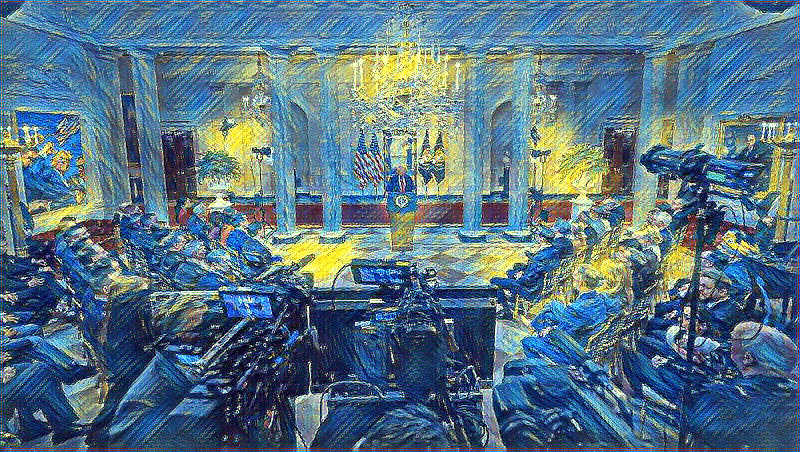
On April 1, 2026, President Donald Trump delivered a national address claiming significant achievements in Operation Epic Fury but indicated the war would last another two to three weeks. He threatened an "extremely hard" strike on Iran, which has diminished expectations for a ceasefire. Following the speech, oil prices rose sharply, and Asian stock markets fell. Global investors are closely monitoring Wall Street's response amid its recovery. The address underscores ongoing geopolitical risks and market volatility.

Iran War Spurs EV Demand as Auto Giants Pivot to Combustion
Business

Iran War Spurs EV Demand as Auto Giants Pivot to Combustion

The Iran war has disrupted oil exports, increasing energy prices and sparking a rise in electric vehicle interest in the US and Europe. Despite this, major automakers like Ford, GM, and Stellantis are reversing their EV strategies to focus on combustion engines due to weak demand. US EV sales fell 28% in Q1 2026, while hybrids gained, accounting for 26% of new sales. Experts warn that while high oil prices may boost EV demand mid-term, challenges like infrastructure and economic uncertainty persist. In Europe, EVs are already reducing oil imports, and the crisis could accelerate the transition to electrification.

Iranian President's Open Letter Challenges US 'America First' War Policy
Politics

Iranian President's Open Letter Challenges US 'America First' War Policy

Iranian President Masoud Pezeshkian published an open letter to the U.S. public, challenging the Trump administration's war with Iran by questioning its alignment with 'America First' principles. He asserted Iran's historical non-aggression and framed its military actions as self-defense. President Donald Trump responded by labeling Iran's regime as violent and claiming the war is nearly over with Iran's military severely degraded. The letter also noted the absence of Iran's Supreme Leader from public view. This exchange highlights the deepening diplomatic rift amid ongoing hostilities.

China's Covert Nuclear Build-Up: Secret Infrastructure Expansion in Sichuan
Politics

China's Covert Nuclear Build-Up: Secret Infrastructure Expansion in Sichuan

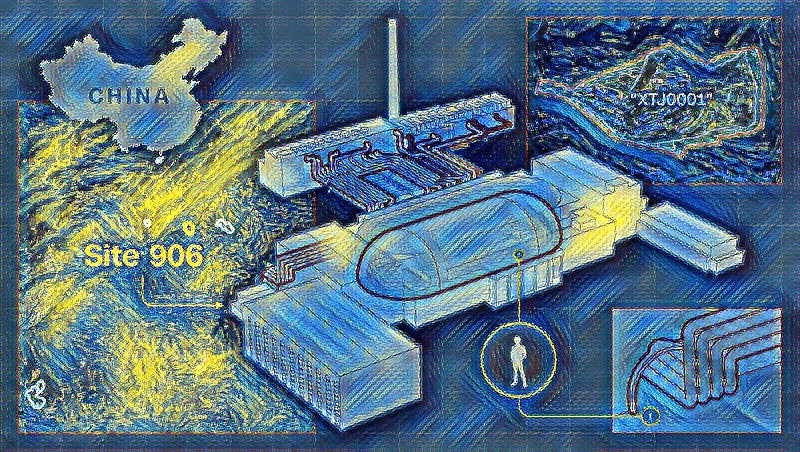
CNN's investigation uncovers China's secret expansion of nuclear weapons infrastructure in Sichuan since 2021, evidenced by satellite images of new facilities like a Tic Tac dome. The scale suggests the most significant modernization in decades, coinciding with the end of New START and ahead of Trump's Beijing trip. US allegations of nuclear test violations are denied by China, which maintains a self-defense policy. Experts caution that this could trigger a complex new arms race and lead to overestimation of capabilities by the US.

Trump Iran War Speech: No Endgame Plan, More Escalation Threats
Politics

Trump Iran War Speech: No Endgame Plan, More Escalation Threats

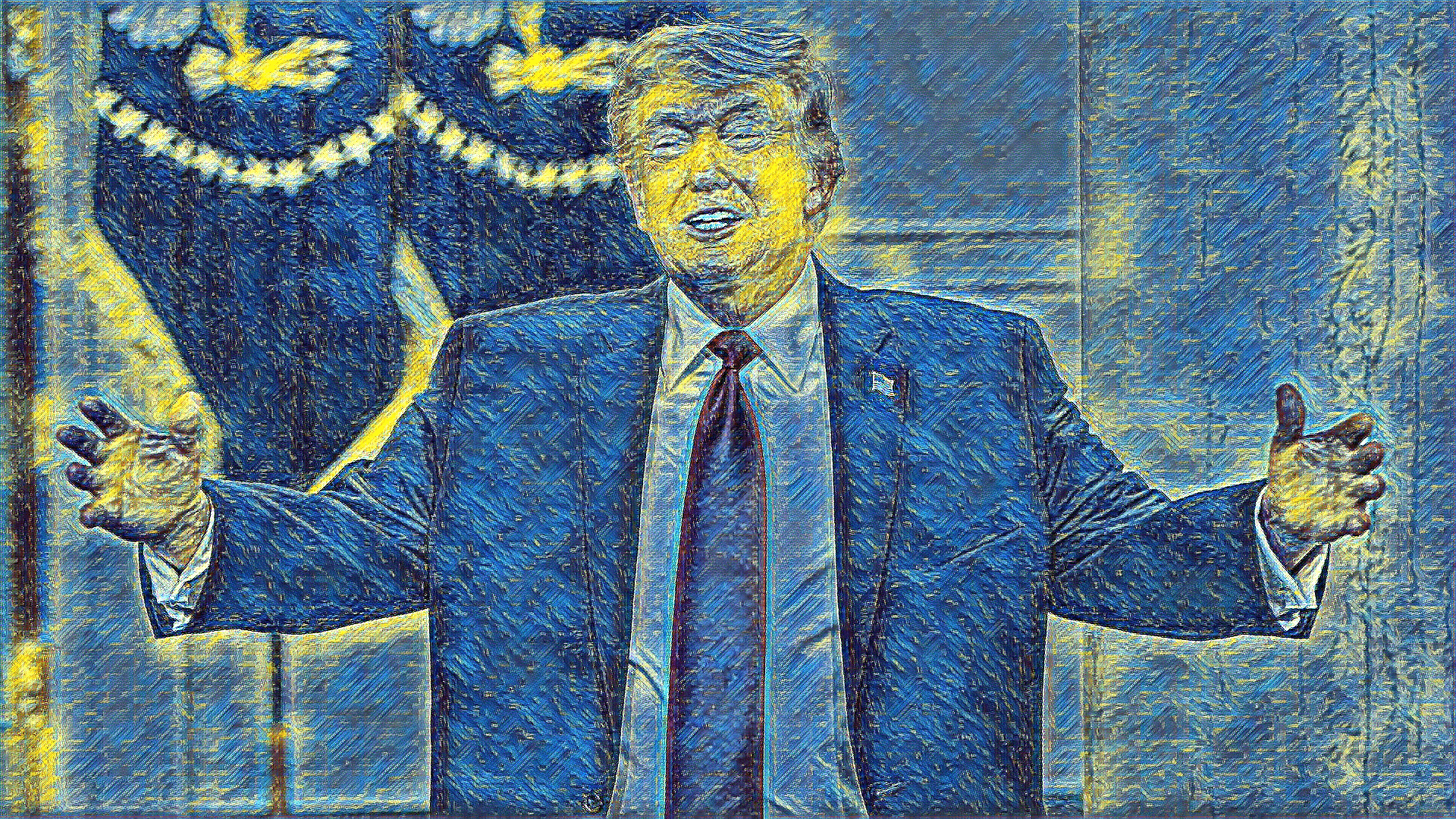
President Donald Trump's national address on the Iran war defended military action based on nuclear threats and regime behavior but failed to outline a clear exit strategy. He threatened further escalation while neglecting key issues like uranium security, the Strait of Hormuz blockade, and Iran's political future. The speech occurs amid low approval ratings, with only 31% supporting his economic policies, and widespread public opposition to ground troops. Economic worries, including high gasoline prices and global energy instability, are heightened by the conflict. Both domestic and international audiences remain anxious about the war's prolongation and aftermath, with Trump's address offering little reassurance or a path to resolution.

Iran's 'Toll Booth' in Hormuz Strait Forces Oil Tanker Detour to Larak
World

Iran's 'Toll Booth' in Hormuz Strait Forces Oil Tanker Detour to Larak

Iran has implemented a mandatory shipping corridor north of Larak Island in the Strait of Hormuz, requiring vessels to obtain IRGC clearance and pay fees. This has caused a 90% decline in strait traffic since the crisis began on February 28. The Iranian parliament has passed a bill to formalize the toll system, which experts argue violates international maritime law. Vessels from China, India, and Greece have been prioritized, with payments sometimes made in yuan. Several countries are engaging in diplomatic talks to secure safe passage for their ships. The legality of Iran's actions is contested, with comparisons to man-made canals like Suez being deemed inappropriate.

Artemis II Launch: Crew to Perform Manual Docking Demo
Tech

Artemis II Launch: Crew to Perform Manual Docking Demo

NASA's Artemis II mission launched successfully, with Orion in stable orbit. The crew will conduct the Proximity Operations Demonstration, a manual test using the ICPS as a target. The test involves specific maneuvers to validate manual piloting skills. Program manager Howard Hu stated it ensures understanding of manual capabilities for future missions. This demonstration supplements autonomous systems and is crucial for the Artemis program's lunar goals. The milestone prepares the crew for more complex operations.

Trump's Iran Speech Drives Market Rally Amid Ceasefire Talks
Politics

Trump's Iran Speech Drives Market Rally Amid Ceasefire Talks

U.S. markets opened higher on April 1, 2026, extending gains from the previous day amid hopes for a Middle East ceasefire. President Donald Trump is set to address the nation at 9 p.m. ET, focusing on Iran ceasefire talks and U.S. military strategy. The speech is closely monitored for its potential to impact global financial markets and regional stability. Market momentum has been volatile, with previous Trump comments causing swift reversals. Investors are weighing the optimism against the uncertainty of policy announcements. The event highlights the critical role of U.S. leadership in shaping both geopolitical and economic outcomes.