BN
|

Politics

Home
Supreme Court Debates Ending Mail-In Ballot Grace Periods: Key Takeaways from Arguments
Politics

Supreme Court Debates Ending Mail-In Ballot Grace Periods: Key Takeaways from Arguments

The U.S. Supreme Court heard oral arguments in a case challenging Mississippi's law permitting mail-in ballots to arrive after Election Day. The conservative majority appeared skeptical of such grace periods, arguing they conflict with federal election laws. Justices debated implications for early voting, ballot recall mechanisms, and state authority, while briefly touching on voter confusion risks. A ruling, expected by June's end, could impact similar laws in 13 states and Washington D.C., as part of broader efforts to restrict mail voting following false 2020 election claims.

Larry Fink Criticizes Social Security for Failing to Build Wealth, Calls for Market Investments
Politics

Larry Fink Criticizes Social Security for Failing to Build Wealth, Calls for Market Investments

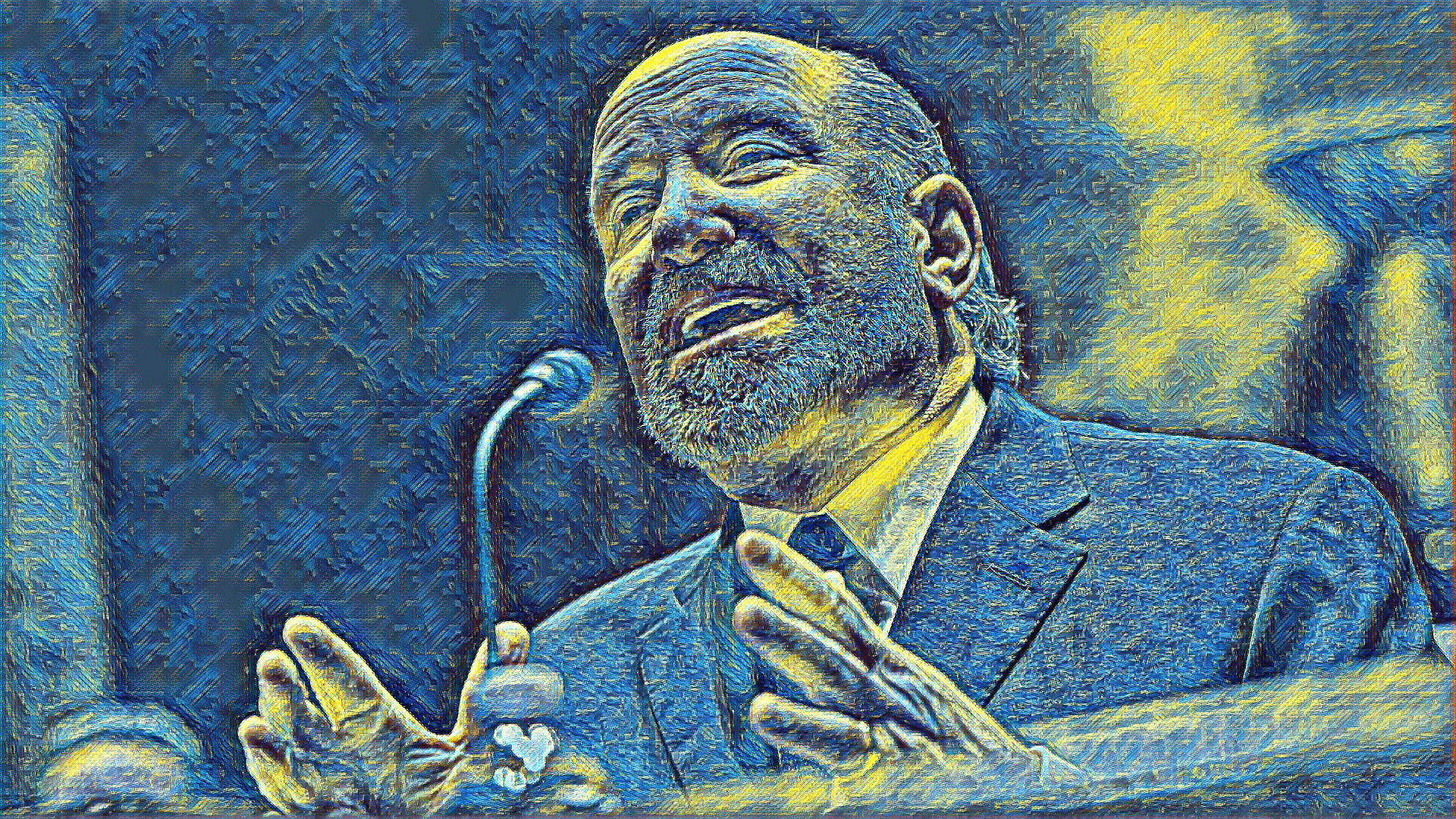
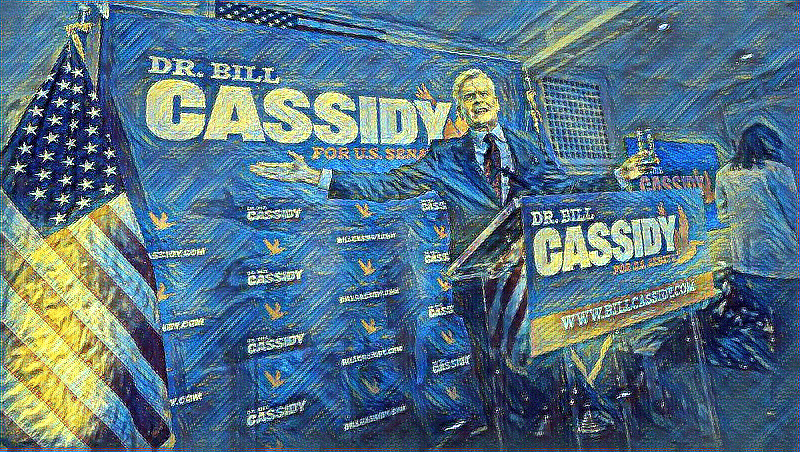
BlackRock CEO Larry Fink criticized Social Security for not enabling wealth building despite its poverty prevention role, proposing market investments to improve returns. His suggestion has sparked debate, with critics warning of increased risks and privatization concerns. A bipartisan legislative proposal by Senators Cassidy and Kaine aims to create a $1.5 trillion investment fund to support the program. Experts caution that such moves could be risky with limited benefits and might undermine Social Security's stability. The discussion highlights tensions between enhancing returns and preserving the program's guaranteed benefits. Fink denies privatization, advocating for diversification similar to pension plans.

China's Defense Budget to Rise 7% in 2025, Slowest Pace Since 2021
Politics

China's Defense Budget to Rise 7% in 2025, Slowest Pace Since 2021

China's 2025 defense budget is set to increase by 7%, the slowest annual rise since 2021, amid rising geopolitical tensions in the Middle East and over Taiwan. The government work report emphasizes military modernization, citing the Fujian aircraft carrier and advanced weapons systems. Official spending figures are likely underestimated, with U.S. estimates suggesting actual costs are significantly higher. China remains a dominant military spender in Asia, representing nearly half of the region's defense budget, and holds the second-largest global military expenditure after the United States. The budget approval process is part of the National People's Congress, highlighting its political importance.

China Stresses 'Thorough Preparations' for Trump-Xi Summit Amid Iran and Trade Disputes
Politics

China Stresses 'Thorough Preparations' for Trump-Xi Summit Amid Iran and Trade Disputes

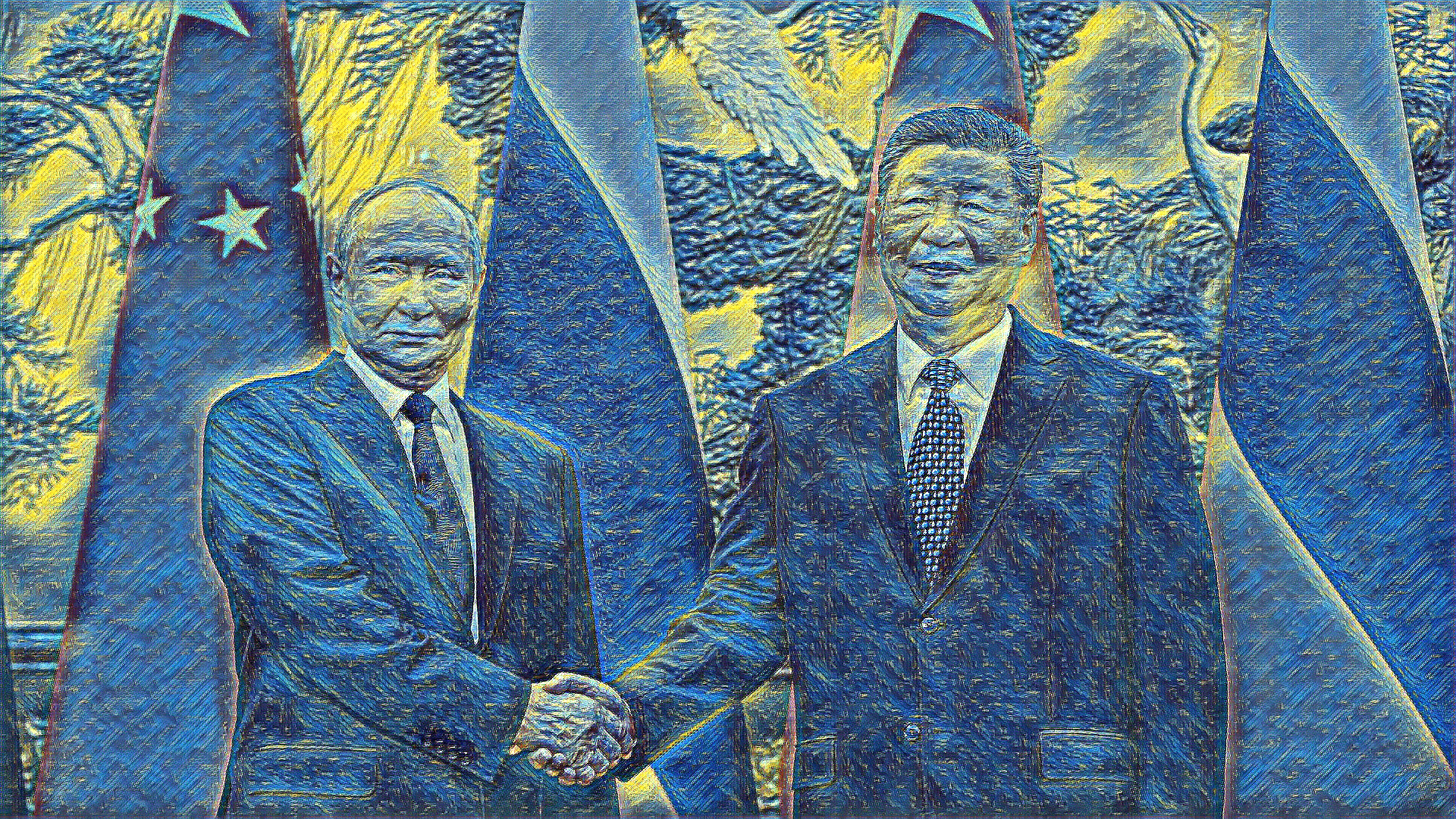
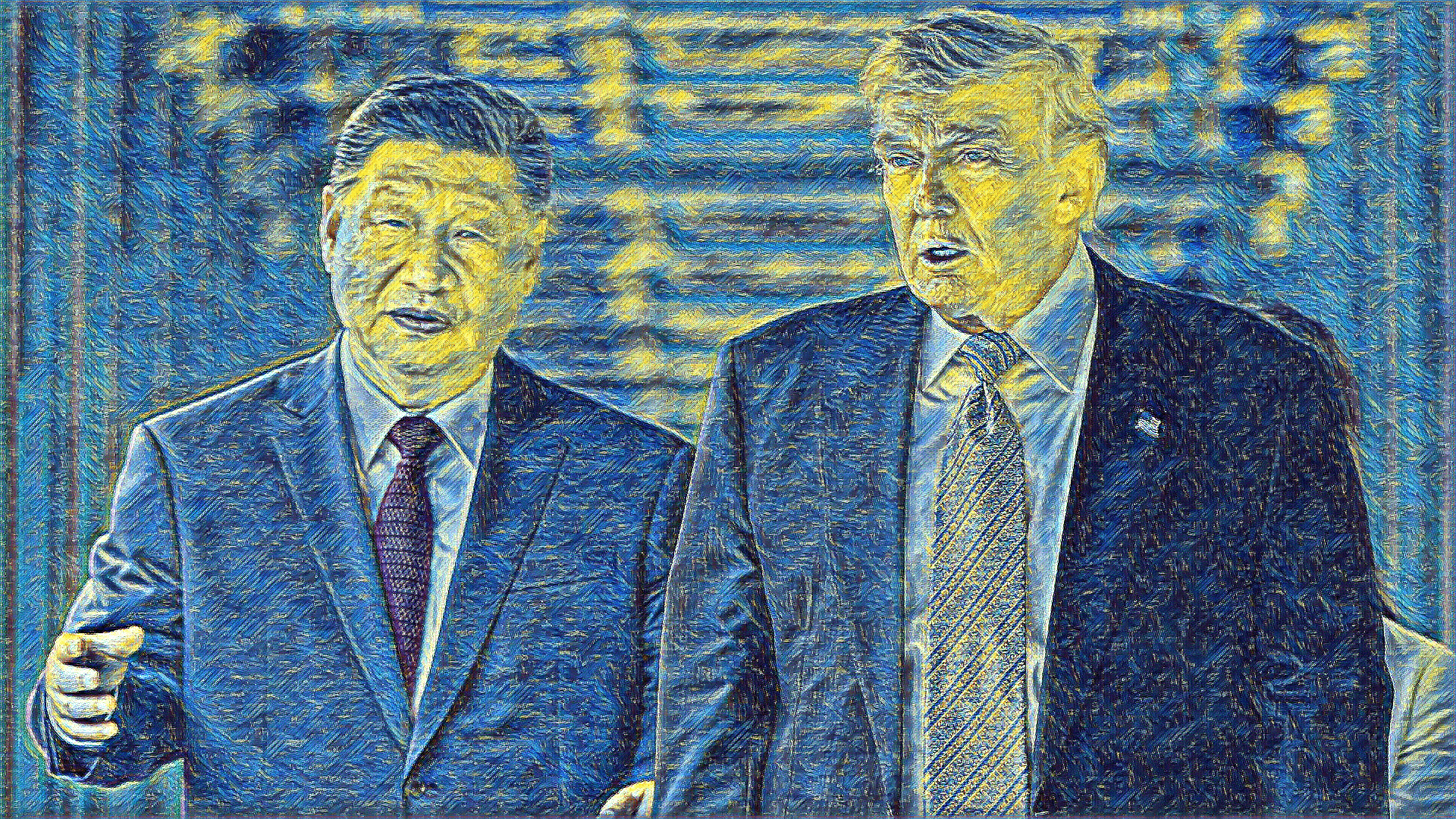
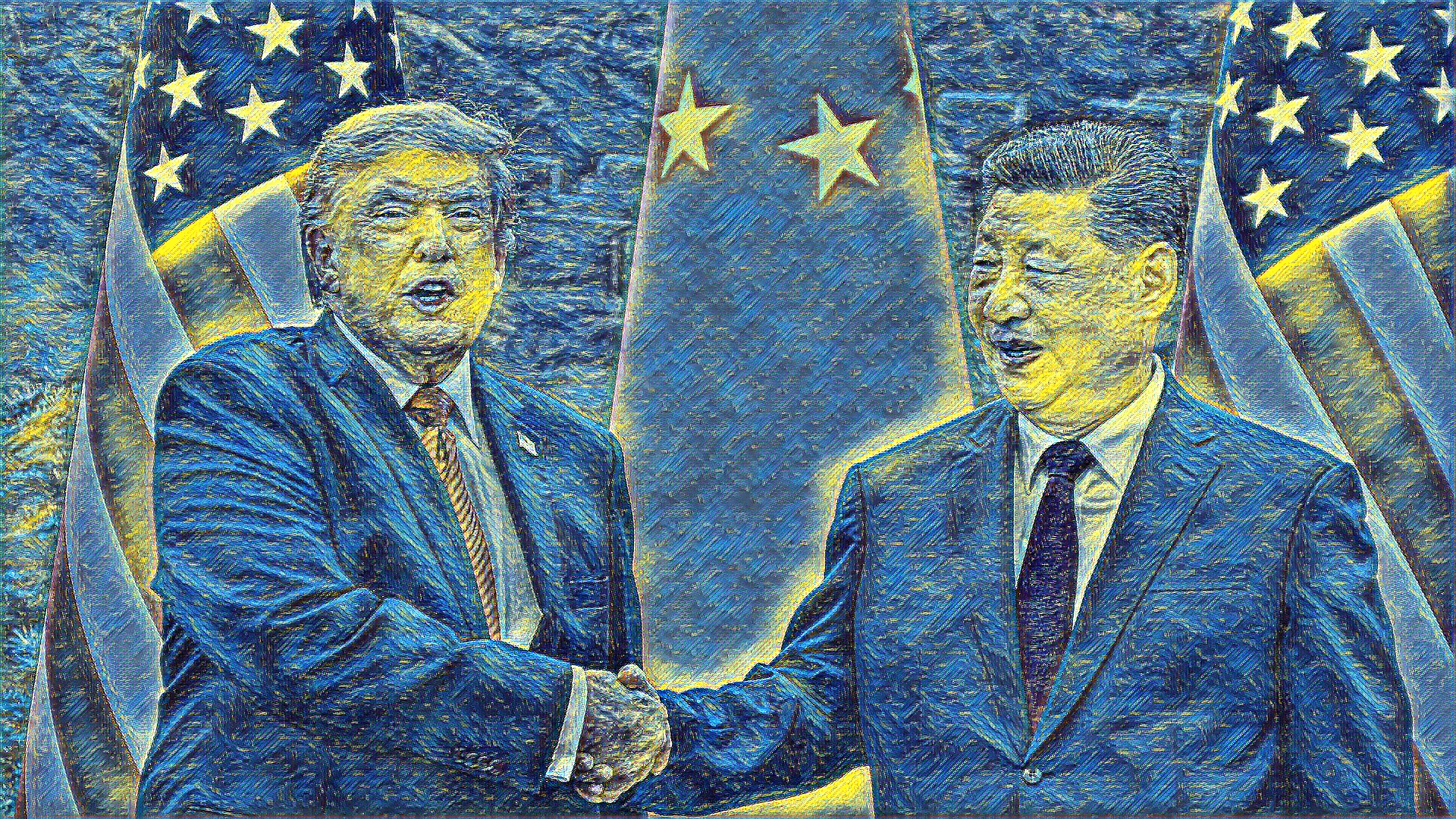
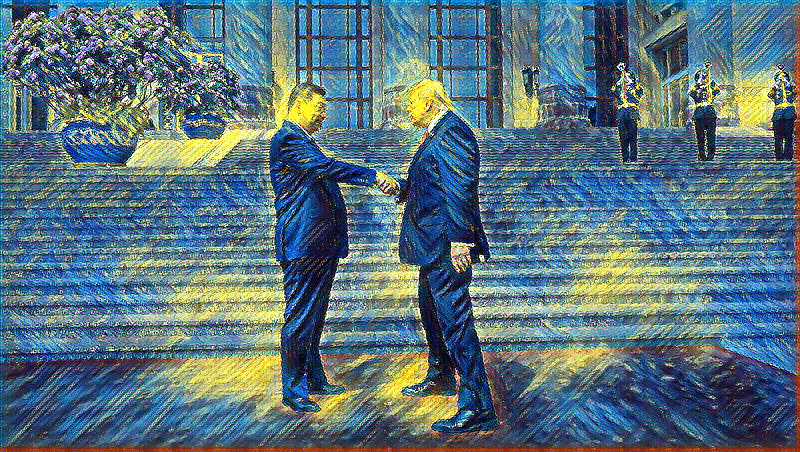
Chinese Foreign Minister Wang Yi emphasized the necessity of thorough preparations for a summit between U.S. President Donald Trump and Chinese President Xi Jinping, planned for late March 2026. The meeting faces obstacles due to disagreements on the Iran war and trade tariffs. Wang advocated for sustained engagement to avoid misperceptions and global instability, noting that conflict would be detrimental. While Trump's visit is scheduled, China has not confirmed the dates. High-level dialogues are deemed essential for providing strategic assurance and improving U.S.-China relations amid ongoing tensions.

U.S. Expands Forced-Labor Trade Probes to 60 Economies Under Section 301
Politics

U.S. Expands Forced-Labor Trade Probes to 60 Economies Under Section 301

The United States has launched new Section 301 trade investigations into 60 economies, including China, the EU, India, and Mexico, to assess their efforts in preventing forced-labor imports. U.S. Trade Representative Jamieson Greer emphasized that foreign governments have not effectively enforced bans on such goods, impacting U.S. workers and businesses. These probes follow earlier investigations into industrial overcapacity and come after the Supreme Court struck down reciprocal tariffs, leading to a new global tariff threat. Trade experts express concern over the wide scope, short timeline, and potential to strain alliances, particularly in addressing China's excess capacity. The administration views this as a necessary step, but critics warn it may undermine international cooperation.

Sam Altman Answers Lawmakers on OpenAI's Defense Deal and AI Ethics
Politics

Sam Altman Answers Lawmakers on OpenAI's Defense Deal and AI Ethics

OpenAI CEO Sam Altman faced questions from lawmakers, including Senator Mark Kelly, regarding the company's defense contract with the Department of Defense, centering on AI ethics in warfare and surveillance. Altman reiterated OpenAI's bans on fully autonomous weapons and mass surveillance, citing contract safeguards and existing laws. Kelly is drafting legislation to impose regulatory guardrails on such contracts, following Anthropic's blacklisting over security concerns. The meetings underscore ongoing debates over AI's role in defense and the need for congressional oversight. Both OpenAI and Anthropic have navigated complex negotiations with the DOD, highlighting tensions between innovation and national security.

Trump Delays Iran Strikes After 'Very Good' Talks with Tehran
Politics

Trump Delays Iran Strikes After 'Very Good' Talks with Tehran

President Donald Trump has delayed military strikes on Iran after high-level talks in Florida resulted in 15 points of agreement. The negotiations, involving US envoys Steve Witkoff and Jared Kushner, centered on Iran's nuclear program, with Tehran committing to abandon nuclear weapons and the US set to acquire Iran's highly enriched uranium. Trump praised the talks as 'very good' and initiated by Iran, expressing hope for a diplomatic resolution. Future steps include phone calls on Monday and an imminent in-person meeting. The pause in strikes underscores a shift toward diplomacy, though Trump cautioned that military options remain if negotiations fail.

Supreme Court Debates Mail-In Voting Deadlines for Military and Overseas Ballots
Politics

Supreme Court Debates Mail-In Voting Deadlines for Military and Overseas Ballots

The U.S. Supreme Court is hearing arguments in a case challenging Mississippi's mail-in ballot deadline under the Uniformed and Overseas Citizens Absentee Voting Act (UOCAVA). The Trump administration and RNC argue that UOCAVA exempts military and overseas voters from Election Day receipt deadlines, while Mississippi claims the law acknowledges state-set deadlines. The ruling could significantly impact voting rights for military personnel and citizens abroad, with broader implications for federal-state election law dynamics. Both sides dispute the interpretation of UOCAVA's language regarding ballot counting timelines. The case highlights ongoing political and legal battles over mail-in voting regulations.

Supreme Court Debates Mail-In Ballot Deadline Rules in Pivotal Case
Politics

Supreme Court Debates Mail-In Ballot Deadline Rules in Pivotal Case

The U.S. Supreme Court is hearing arguments in a case challenging state laws that allow mail-in ballots to be counted after Election Day. The case involves a Mississippi statute permitting ballots received up to five days late if postmarked by Election Day, which was sued by the Republican National Committee for allegedly violating federal law. Fifteen states currently accept post-Election Day ballots, including the battleground state of Nevada, while key states like Michigan, Pennsylvania, and Wisconsin require receipt by Election Day. The decision could reshape election procedures and impact outcomes in close races, particularly presidential elections. The ruling may clarify the balance between state flexibility and federal election uniformity. This case highlights ongoing debates over voting access and election integrity.

Energy Secretary Wright Discusses Iran Conflict at CERAWeek After Trump Delays Strikes
Politics

Energy Secretary Wright Discusses Iran Conflict at CERAWeek After Trump Delays Strikes

U.S. Energy Secretary Chris Wright addressed the CERAWeek conference in Houston as markets responded to President Donald Trump's delay on strikes against Iran's power plants. Trump's decision, following reported productive talks, aims to de-escalate the Iran conflict, though Iran has threatened retaliation against U.S. and Israeli infrastructure. The war has disrupted oil supplies through the Strait of Hormuz, causing the largest supply disruption in history. Oil prices initially surged but dropped on the delay news, with Brent crude up over 40% since February 28. Market reactions include rising U.S. stocks and lower Treasury yields, reflecting cautious optimism.

Historic Preservation Groups Sue Trump to Halt Kennedy Center Renovation
Politics

Historic Preservation Groups Sue Trump to Halt Kennedy Center Renovation

A coalition of historic preservation and architectural groups has sued President Donald Trump to halt the Kennedy Center's planned two-year renovation, alleging violations of federal preservation laws due to skipped approval processes. The lawsuit argues that the project, approved by a Trump-aligned board, could cause irreparable harm to the modern architectural landmark. The center requires over $250 million in maintenance, but plaintiffs worry the scope is understated and lacks transparency. This legal action adds to other challenges against Trump's cultural initiatives in Washington, DC. The Kennedy Center, a noted modern architecture masterpiece, has seen recent alterations like column repainting and renaming under Trump. The case underscores ongoing tensions over governance and preservation of federal cultural sites.

Senator Warren Alleges Retaliation in DoD's Blacklist of AI Firm Anthropic
Politics

Senator Warren Alleges Retaliation in DoD's Blacklist of AI Firm Anthropic

Senator Elizabeth Warren has accused the Department of Defense of retaliatory motives in blacklisting AI firm Anthropic. The dispute arose from clashes over AI access, with the DoD seeking broad usage rights and Anthropic opposing autonomous weapons and surveillance. Warren's letter to Defense Secretary Pete Hegseth raises concerns about government overreach. The DoD implemented the blacklist while still using Anthropic's technology in Iran. Anthropic has sued the administration, with a court hearing upcoming. This highlights ongoing tensions between tech companies and government over AI ethics and national security.

Trump Delays Iran Energy Strikes for Five Days After Productive Talks
Politics

Trump Delays Iran Energy Strikes for Five Days After Productive Talks

President Donald Trump has postponed planned military strikes against Iranian energy infrastructure for five days following what he termed productive conversations with Iran. The decision, announced via Truth Social, hinges on the constructive tone of ongoing discussions aimed at resolving Middle East hostilities. Trump had set a deadline for Iran to reopen the Strait of Hormuz, threatening strikes if unmet, and has ruled out a ceasefire, favoring dialogue instead. This move signals a brief pause in tensions, though key disputes persist as negotiations continue through the week. The situation underscores the high stakes around energy security in the region.

White House's 'President Trump Is Right' Tactic on False Claims
Politics

White House's 'President Trump Is Right' Tactic on False Claims

The White House has institutionalized a response tactic where spokespeople say "President Trump is right" when confronted with his false claims, then deflect to unrelated points without addressing the inaccuracies. This pattern has been applied to diverse issues, from inflation to military allegations, and marks a clear break from prior administrations that either nuanced or ignored falsehoods. The strategy stems from Trump's demand for absolute loyalty, a staff culture of unwavering defense, and his public stance that he is always correct. Recent 2026 examples include false claims about Walmart store closures and LAPD chief statements, underscoring a communication approach prioritizing presidential praise over factual engagement.

Trump's Iran Ultimatum Risks Escalation in Persian Gulf
Politics

Trump's Iran Ultimatum Risks Escalation in Persian Gulf

US President Donald Trump has issued a 48-hour ultimatum to Iran to stop controlling the Strait of Hormuz or face destruction of its power plants, escalating tensions in the Persian Gulf. Iran has defiantly refused, threatening to close the strait completely and target US bases in countries like Qatar and Saudi Arabia. This has already disrupted global energy markets, causing oil and gas prices to soar and Gulf states' revenues to drop sharply. The conflict, ongoing for four weeks, has prompted residents in cities like Dubai and Doha to flee due to security fears. A wider escalation could result in more regional casualties, higher global prices for essentials, and severe economic damage to Gulf nations hosting US forces. The situation poses significant risks to regional and global stability.

TSA Funding Crisis: How Security Fees and Political Gridlock Leave Workers Unpaid
Politics

TSA Funding Crisis: How Security Fees and Political Gridlock Leave Workers Unpaid

The partial U.S. government shutdown has left 61,000 TSA employees working without pay, despite the collection of a $5.60 per-trip security fee from passengers. A significant portion—about one-third—of this fee revenue is diverted by Congress to reduce the federal deficit, and TSA cannot access funds without annual appropriation. The funding stalemate is driven by a political dispute over immigration policy between Senate Democrats and the Trump administration. Advocacy groups urge Congress to allow TSA to use the fee directly for operations and salaries, highlighting security concerns. The situation exposes complexities in federal budgeting and the impact of political gridlock on essential services.

Trump's Iran Ultimatum: A New Red Line That Could Ignite Wider Conflict
Politics

Trump's Iran Ultimatum: A New Red Line That Could Ignite Wider Conflict

President Trump's contradictory statements on the Iran conflict, from ultimatums to threats of attacks, have heightened tensions. Iran's missile strikes and threats to close the Strait of Hormuz have disrupted global oil markets, with Brent crude exceeding $114. Domestic criticism focuses on the administration's lack of strategy, as polls show public disapproval. Trump faces a critical choice between escalating by attacking power plants or seeking a diplomatic solution, with experts warning of severe consequences either way. The situation underscores the risks of miscalculation in a war with no clear exit plan.

KFF Poll: 9% of ACA Enrollees Uninsured After Subsidy Expiration
Politics

KFF Poll: 9% of ACA Enrollees Uninsured After Subsidy Expiration

A KFF survey of over 1,100 ACA enrollees finds that 9% lost insurance after enhanced subsidies expired in 2026, causing premiums to more than double. Many faced financial strain, with 17% uncertain about affording coverage, and some downgraded to cheaper plans. Politically, most enrollees blame Republicans and President Trump for cost hikes, potentially swaying midterm elections. Enrollment is projected to fall by half by 2028 due to policy changes, highlighting the subsidies' critical role in maintaining coverage.

Trump Administration Transfers Student Loan Collection to Treasury: Key Details for Borrowers
Politics

Trump Administration Transfers Student Loan Collection to Treasury: Key Details for Borrowers

The Trump administration has transferred defaulted student loan collection to the Treasury Department, impacting around 9 million borrowers in default. This change leverages Treasury's offset program for debt recovery, though experts question its effectiveness based on past performance. Loan terms remain unchanged, and defaulted borrowers are advised to secure their data and seek resolution options. Current borrowers are unaffected, and collection actions are paused. The move aligns with plans to dismantle the Department of Education.

Social Security Benefit Cuts Looming: 24% Reduction Possible by 2032 Without Congressional Action
Politics

Social Security Benefit Cuts Looming: 24% Reduction Possible by 2032 Without Congressional Action

Social Security's trust fund is projected to deplete by 2032, risking a 24% benefit cut for all recipients without congressional action. Experts warn that lawmakers may delay until the last minute, citing recent fiscal crises. Several contingency plans have been proposed, including combining trust funds to extend solvency or implementing targeted cuts based on age and net worth to protect low-income and elderly beneficiaries. Another approach involves capping monthly benefits for higher-income earners to reduce overall impact. These proposals aim to address the shortfall while minimizing harm, but their success depends on timely legislative action and data coordination. The uncertainty is already influencing Americans' decisions on when to claim retirement benefits.

Washington's Millionaire Tax Sparks Debate Over Largest Marriage Penalty in U.S.
Politics

Washington's Millionaire Tax Sparks Debate Over Largest Marriage Penalty in U.S.

Washington state has passed a new income tax with a 9.9% rate on income over $1 million, but its uniform threshold for individuals and married couples has created the largest 'marriage penalty' in the nation. This means dual-income couples can be taxed even if each earns below $1 million individually, unlike in states like California and New York where thresholds are higher for joint filers. Lawmakers defend the tax for its consistency with existing laws and administrative ease, while critics argue it unfairly targets middle-to-high earners and could spur wealth migration. The tax is part of a broader Democratic push for higher taxes on the wealthy and is being closely watched as an experiment in state-level tax policy impacts.

ICE Agents Deployed to Airports Amid TSA Staffing Shortage and DHS Funding Standoff
Politics

ICE Agents Deployed to Airports Amid TSA Staffing Shortage and DHS Funding Standoff

The Trump administration is deploying ICE agents to airports to address TSA staffing shortages from a partial government shutdown, but faces union opposition over safety risks. Political negotiations between Republicans and Democrats over DHS funding are stalled, with both sides accusing each other of using TSA as leverage in immigration policy debates. Key disputes involve requirements for judicial warrants and mask removal for ICE agents. Lawmakers are under pressure to reach a deal before the Easter recess to prevent prolonged airport disruptions. The deployment highlights the escalating consequences of the funding deadlock on critical security operations.

Blue States Sue Trump Administration to Protect EPA Climate Authority
Politics

Blue States Sue Trump Administration to Protect EPA Climate Authority

A coalition of 40 Democratic states, cities, and counties sued the Trump administration to block the termination of the EPA's endangerment finding, which authorizes regulation of greenhouse gases as a public health threat. The lawsuit, filed in the DC Circuit Court, argues that climate change demands urgent federal action, while the administration dismisses the finding as a politically motivated "scam." This legal battle could escalate to the Supreme Court, where a conservative majority might favor the administration's position. The endangerment finding, rooted in a 2007 Supreme Court decision, has underpinned EPA climate regulations for over 15 years. Experts warn that its repeal could undermine key environmental protections and signal a shift in U.S. climate policy.

Inside the 'Shadow Realm': The Working Homeless and America's Affordability Crisis
Politics

Inside the 'Shadow Realm': The Working Homeless and America's Affordability Crisis

Brian Goldstone's book 'There Is No Place for Us' exposes the hidden crisis of working homelessness in America, where millions lack stable housing despite employment. Root causes include soaring housing costs outpacing incomes and decades of social safety net erosion, starting with Reagan-era cuts and continued under Clinton. The crisis disproportionately affects Black families in gentrifying cities like Atlanta, with over 4 million people in insecure housing. Goldstone calls for treating housing as a basic right through public investment and tenant protections. While families show resilience, systemic change is needed to address this preventable catastrophe.

FCC Chief Slams Anthropic Over Pentagon AI Deal Breakdown, Urges 'Course Correction'
Politics

FCC Chief Slams Anthropic Over Pentagon AI Deal Breakdown, Urges 'Course Correction'

FCC Chairman Brendan Carr criticized Anthropic for refusing Pentagon terms on AI use, leading to a U.S. government blacklist. Anthropic stalled negotiations over ethical concerns about autonomous weapons and domestic surveillance, while the DoD sought broader military applications. President Trump ordered a halt to Anthropic's technology use, and Defense Secretary Hegseth labeled it a national security supply-chain risk. Anthropic defended its stance, calling the blacklist legally questionable and precedent-setting. Meanwhile, OpenAI secured a DoD deal that bans domestic surveillance but permits other lawful uses. The incidents underscore growing tensions between AI firms and the U.S. government over ethical boundaries in national security AI deployments.

MTA Sues Trump Over Withheld $60M for New York Subway Project
Politics

MTA Sues Trump Over Withheld $60M for New York Subway Project

The Metropolitan Transportation Authority (MTA) has sued the Trump administration for withholding $60 million in federal funds for the Second Avenue Subway project, arguing the suspension breaches contract and is politically driven. The $7.7 billion project aims to extend the Q line and add three stations in Harlem, serving 100,000 daily riders. This legal action follows similar funding freezes for Chicago and Hudson Tunnel projects, with a recent court mandating continued payments for the latter. Governor Kathy Hochul and the MTA deem the pause illegal, highlighting risks to critical infrastructure. The case underscores ongoing tensions between federal and local authorities over transportation funding.

Israel says it has killed Iran’s intelligence minister in third assassination in two days
Politics

Israel says it has killed Iran’s intelligence minister in third assassination in two days

Israel tuyên bố đã ám sát Bộ trưởng Tình báo Iran Esmail Khatib tại Tehran vào thứ Tư, đánh dấu vụ ám sát thứ ba của một quan chức cấp cao Iran trong vòng hai ngày. Các vụ ám sát trước đó nhắm vào cựu chủ tịch Quốc hội Ali Larijani và chỉ huy Basij Gholamreza Soleimani. Tổng thống Iran Masoud Pezeshkian xác nhận cái chết của Khatib và Larijani, gọi đây là những vụ ám sát 'hèn nhát'. Israel cáo buộc Khatib đóng vai trò trong các cuộc biểu tình gần đây ở Iran và lãnh đạo hoạt động khủng bố chống Israel và Mỹ. Cơ quan tư pháp Iran đã xác nhận cái chết của Soleimani.

Powell Vows to Stay as Fed Chair Until Successor Confirmed, Amid Investigation and Rate Hold
Politics

Powell Vows to Stay as Fed Chair Until Successor Confirmed, Amid Investigation and Rate Hold

Federal Reserve Chair Jerome Powell declared he will remain in office until his successor, Kevin Warsh, is Senate-confirmed and will not exit the Fed's Board of Governors until a DOJ investigation is fully resolved. The Fed held interest rates steady, citing inflation and U.S.-Iran war risks, contrary to President Trump's demands for cuts. A federal judge blocked DOJ subpoenas in the Powell probe, suggesting political motivation, which the DOJ plans to appeal. Political tensions surround the investigation, with some Republicans linking it to pressure on the Fed. Powell stressed his decisions prioritize institutional integrity over political influence.

Japan Disputes U.S. Claim of Policy Shift on Taiwan Remarks
Politics

Japan Disputes U.S. Claim of Policy Shift on Taiwan Remarks

Japan has rejected a U.S. intelligence report claiming Prime Minister Sanae Takaichi's Taiwan remarks represented a policy shift, maintaining its stance is unchanged. Takaichi stated in November 2025 that Chinese action on Taiwan could threaten Japan's survival and justify military intervention. China responded with seafood import suspensions and travel advisories, impacting tourism. The U.S. report predicts heightened Chinese pressure but no 2027 invasion plan. The dispute highlights ongoing tensions over Taiwan and Japan's regional security role.

Netanyahu Claims Iran's Nuclear and Missile Programs Crippled by Strikes
Politics

Netanyahu Claims Iran's Nuclear and Missile Programs Crippled by Strikes

In a news conference, Israeli Prime Minister Benjamin Netanyahu claimed that Iran has lost its uranium enrichment and ballistic missile production capabilities after 20 days of U.S.-Israeli airstrikes, describing Iran as being decimated. He stated that factories producing missile and nuclear components are being destroyed but provided no evidence. The conflict escalated from collapsed nuclear talks, with attacks beginning on February 28, and Iran responding with missile strikes and shipping restrictions via the Strait of Hormuz. Netanyahu highlighted the need for ground operations, denied involving the U.S., and left open the potential for Iranian citizens to overthrow their government.