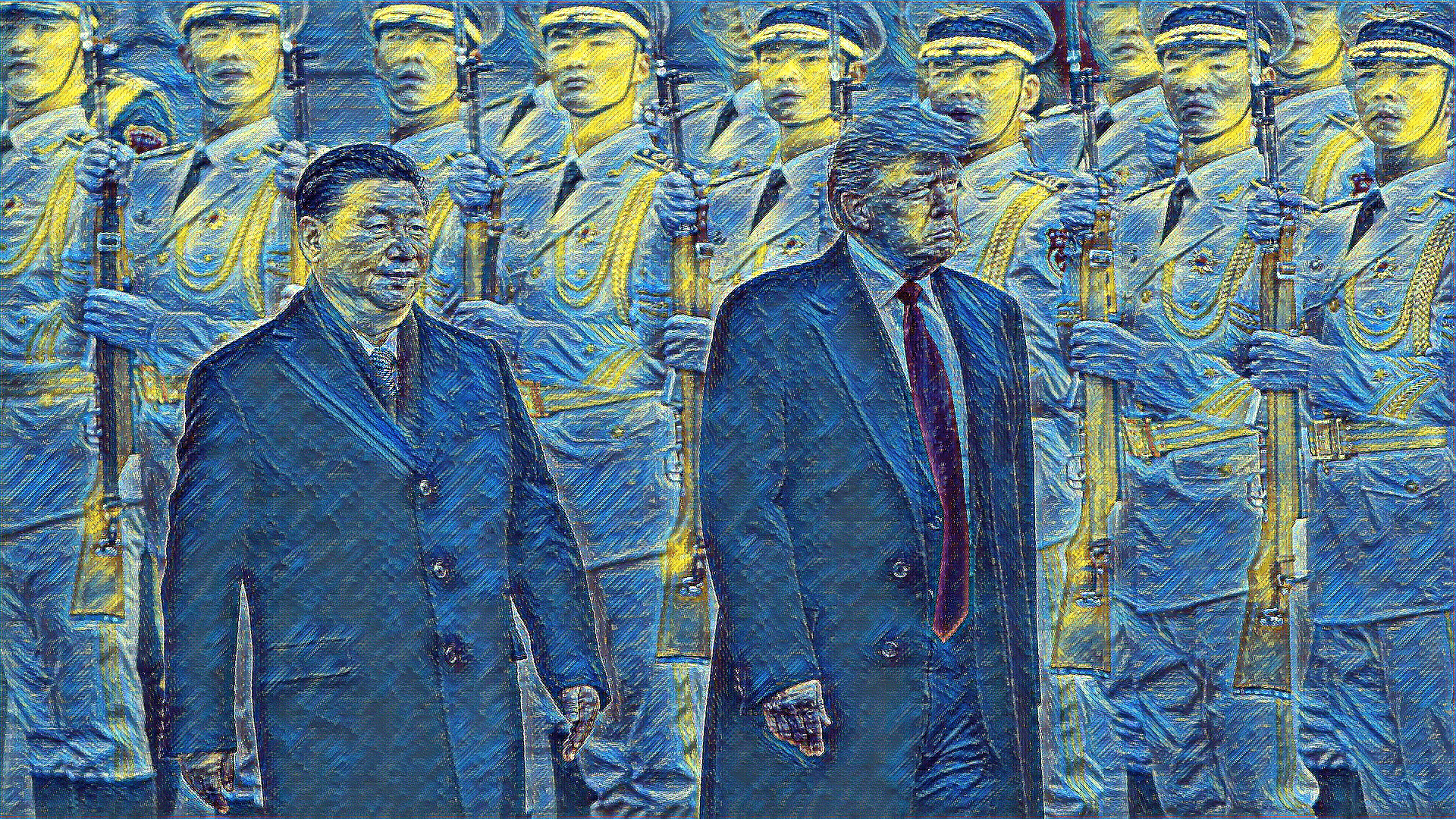
The upcoming summit between U.S. President Donald Trump and Chinese President Xi Jinping is anticipated to heavily feature the Iran conflict, potentially sidelining crucial trade discussions regarding tariffs and rare earth supplies.
Geopolitical Focus on Iran
The primary focus of the meetings scheduled for May 14-15 is expected to be the escalating tensions involving Iran. This geopolitical spotlight may reduce the scope available to address outstanding trade issues.
- U.S. Treasury Secretary Scott Bessent confirmed that Iran will be a key topic of discussion.
- China recently hosted Iran's foreign minister for the first time since the conflict began in late February, which initially fueled hopes for a peace agreement and influenced oil prices and stock markets.
Business Engagement and Industry Meetings
While high-level diplomacy is expected, the structure of business engagement remains fluid. The U.S. government reportedly declined China's invitation to organize industry-specific meetings between senior Chinese leaders and U.S. CEOs, citing concerns that it might make American businesses appear too closely aligned with Beijing.
- Expected Attendees: CEOs from major corporations, including Boeing and Citigroup, are anticipated to accompany President Trump.
- Business Outlook: Boeing is reportedly expected to finalize a significant order from China near the summit, marking a major transaction in nearly a decade.
Potential Impact and Regional Tensions
Analysts suggest that resolving the Iran conflict would provide substantial relief to global commerce. However, underlying regional tensions persist.
- Expert View: Hai Zhao, a director at the Chinese Academy of Social Sciences, stated that an end to the Iran conflict would be a "great relief to global business" and a major success for the summit.
- Ongoing Conflict: Tensions remain high in the Strait of Hormuz, with both the U.S. and Iran accusing each other of initiating recent attacks. Furthermore, Chinese media outlet Caixin reported that a Chinese-owned oil tanker was recently struck, though CNBC could not independently verify this claim.