BN
|

Health

Home
2026 ‘Dirty Dozen’ Produce: High Pesticide Residues Including ‘Forever Chemicals’ Found in Tests
Health

2026 ‘Dirty Dozen’ Produce: High Pesticide Residues Including ‘Forever Chemicals’ Found in Tests

The 2026 Environmental Working Group's Dirty Dozen report reveals that nearly all tested fruits and vegetables from the list contain pesticide residues, with over 60% contaminated by PFAS 'forever chemicals.' These findings raise health concerns, as pesticides are linked to issues like cancer, birth defects, and developmental problems, especially in children. Industry groups counter that most produce meets EPA safety standards. To reduce exposure, experts recommend opting for the Clean Fifteen list or organic produce and following safe washing practices.

FDA Approves J&J's Icotyde, First Oral Psoriasis Pill to Challenge Injectables Tremfya and Skyrizi
Health

FDA Approves J&J's Icotyde, First Oral Psoriasis Pill to Challenge Injectables Tremfya and Skyrizi

The FDA has approved Icotyde, Johnson & Johnson's oral pill for moderate to severe plaque psoriasis, representing the first oral option to rival IL-23 inhibitor injectables like Tremfya and Skyrizi. This approval addresses a key patient need, as many individuals avoid injections due to needle aversion. While Icotyde's pricing remains undisclosed, competing injectables cost approximately $100,000 annually, and J&J anticipates peak sales over $5 billion if expanded to other conditions. The announcement affected stock prices, with AbbVie declining more sharply than J&J. Icotyde is also being studied for additional autoimmune disorders, which could broaden its therapeutic application.

Stopping GLP-1 Medications Linked to Higher Heart Attack, Stroke, and Death Risk, Study Finds
Health

Stopping GLP-1 Medications Linked to Higher Heart Attack, Stroke, and Death Risk, Study Finds

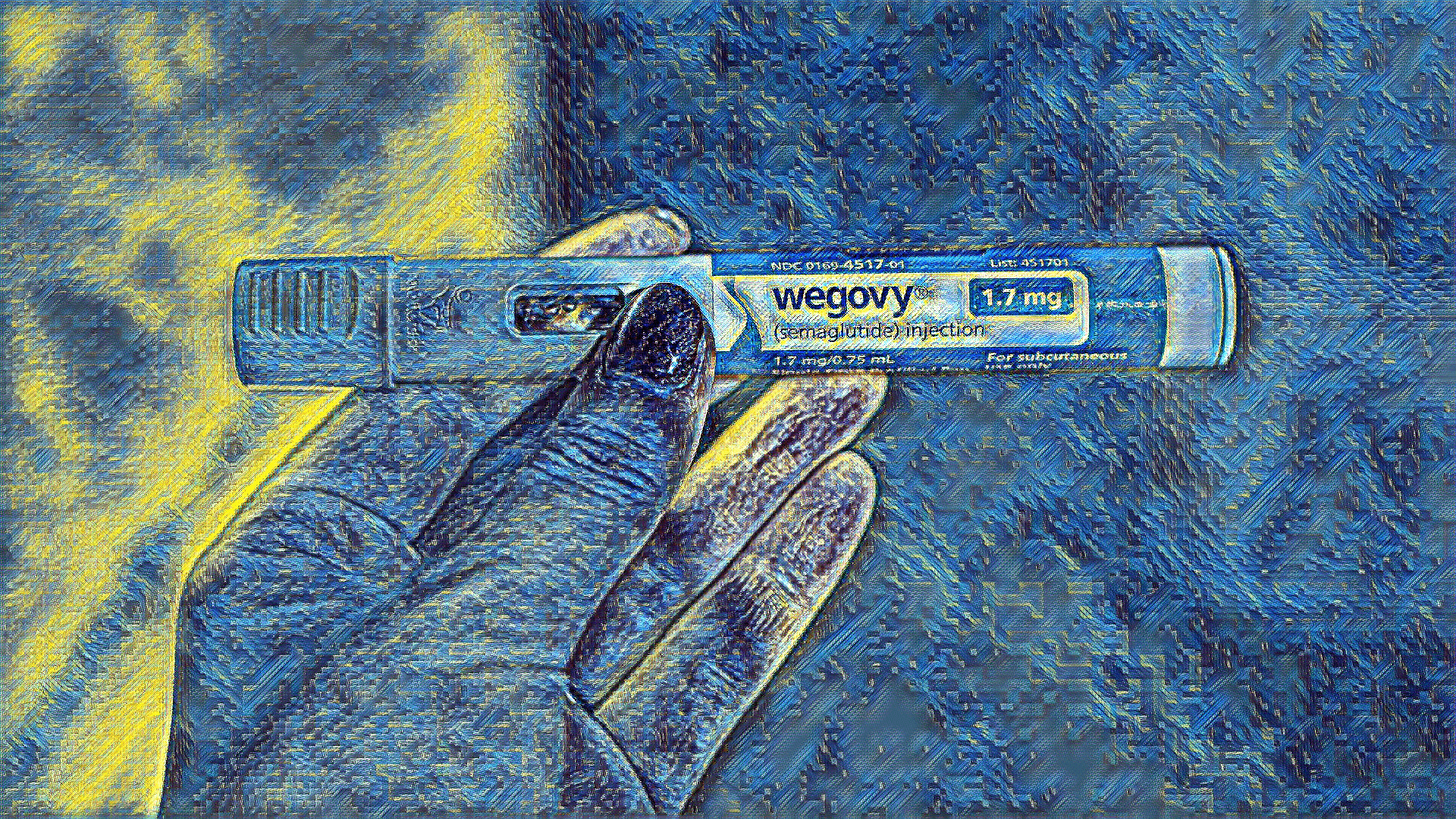
A study published in BMJ Medicine found that stopping GLP-1 medications such as Ozempic and Wegovy increases cardiovascular risks in Type 2 diabetes patients. Over three years, continuous use reduced risk by 18%, while quitting for six months or two years raised risks by 4% and 22%, respectively. The research highlights that cardiovascular protection accumulates slowly but diminishes rapidly upon discontinuation, a phenomenon described as 'metabolic whiplash.' High discontinuation rates, driven by access issues and side effects, pose a challenge to sustained treatment. The FDA has approved semaglutide for cardiovascular risk reduction in specific populations, and experts stress the importance of long-term therapy to avoid reversing benefits.

Eli Lilly's Retatrutide Succeeds in First Phase 3 Diabetes Trial, Shows Significant Weight Loss
Health

Eli Lilly's Retatrutide Succeeds in First Phase 3 Diabetes Trial, Shows Significant Weight Loss

Eli Lilly's retatrutide achieved its primary endpoints in a phase 3 Type 2 diabetes trial, reducing blood sugar by 1.7-2% and weight by up to 16.8% over 40 weeks. The drug, which targets three hunger hormones, primarily caused gastrointestinal side effects with low discontinuation rates. Compared to Lilly's Zepbound, retatrutide offered greater weight loss but similar blood sugar improvements. Novo Nordisk is pursuing a competing therapy but is less advanced. Lilly plans to release more trial data soon and has not yet sought drug approval.