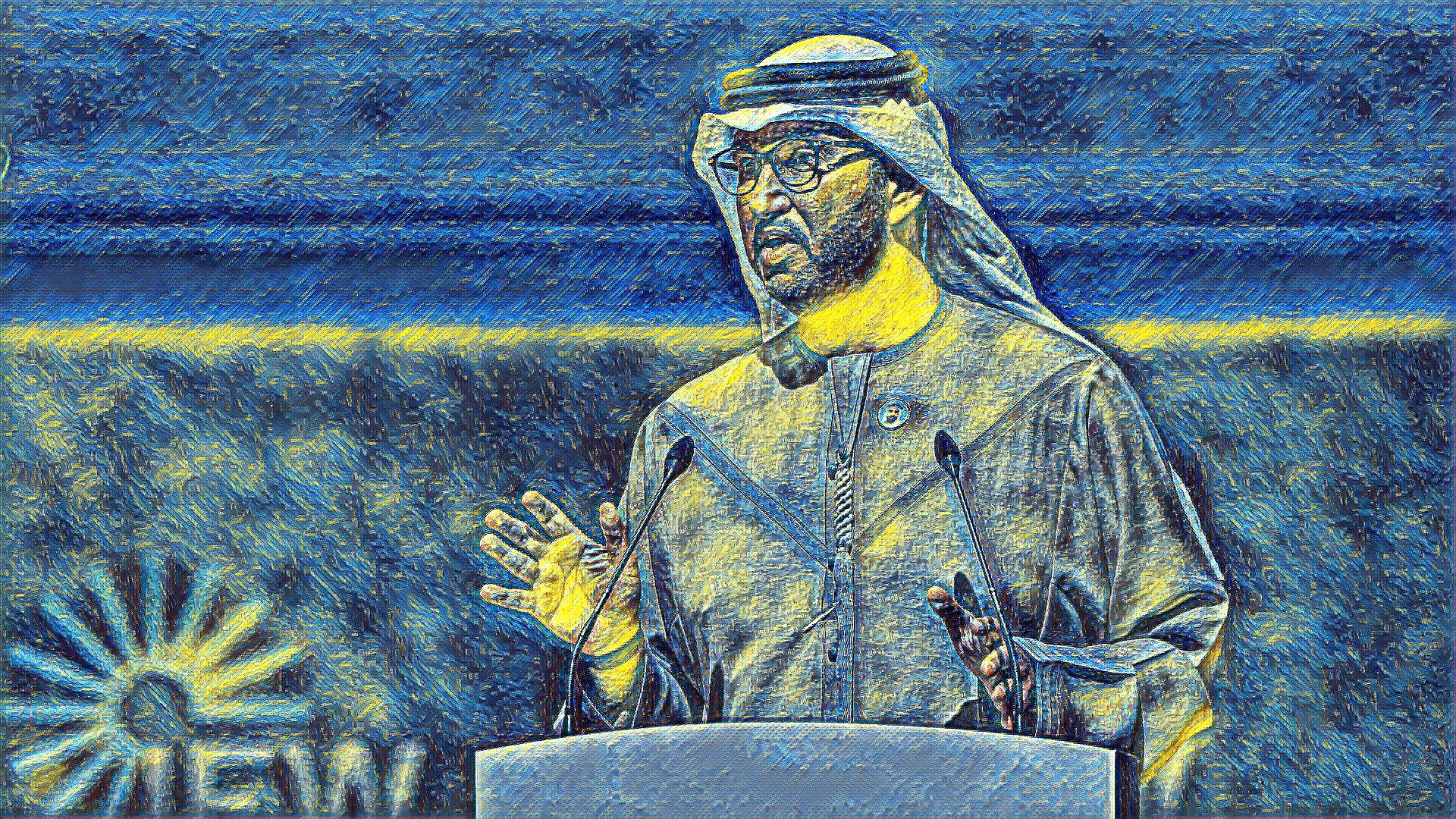
At the CERAWeek energy conference, the CEO of Abu Dhabi National Oil Company (ADNOC) strongly condemned Iran's attacks on shipping in the Strait of Hormuz, labeling them as "economic terrorism" that threatens global security and demands the waterway remain open.
UAE's Stance on Hormuz Attacks
Sultan Ahmed Al Jaber, in a video message due to cancelled travel, stated: "Weaponizing the Strait of Hormuz is not an act of aggression against one nation. It is economic terrorism against every nation, and no country should be allowed to hold Hormuz hostage — not now, not ever." He emphasized that the issue is a security one, not a supply problem, and called for keeping the strait open to protect the flow of 20% of global oil and LNG.
Background of the Conflict
The attacks are part of an escalating war that began when the U.S. and Israel launched a massive strike on Iran on February 28, killing Iranian leaders including Ayatollah Ali Khamenei. In retaliation, Iran has targeted the UAE with:
- 352 ballistic missiles
- 15 cruise missiles
- Over 1,700 drones These attacks have resulted in 8 fatalities and 161 injuries, according to the UAE Defense Ministry. Al Jaber noted that the UAE did not seek this conflict and took steps to prevent it.
Oil Market Volatility
Global oil prices have surged more than 30% since the war started but plunged nearly 11% after U.S. President Donald Trump postponed threatened airstrikes on Iran's power plants, citing productive talks. The Strait of Hormuz is crucial for oil transit, and tanker traffic has halted due to the attacks, raising concerns about supply disruptions.
Industry Response to Security Fears
Several top oil executives have cancelled in-person appearances at CERAWeek due to security concerns:
- Kuwait Petroleum Corporation CEO Shaikh Nawaf S. Al-Sabah will deliver virtual remarks.
- Saudi Aramco CEO Amin Nasser has also pulled out, according to sources. Al Jaber himself cancelled his attendance because of the war.