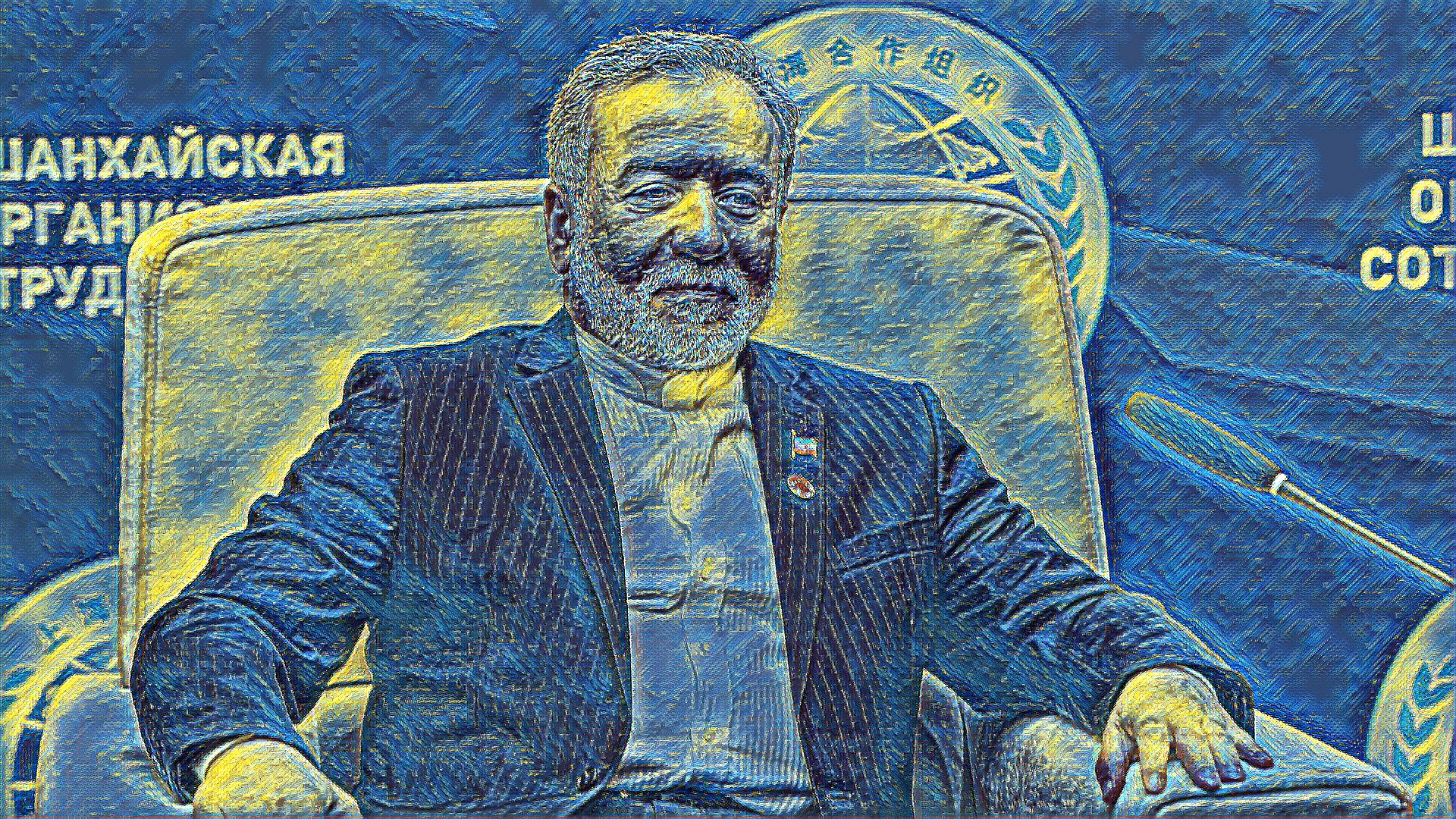
China Hosts Iran Diplomat Ahead of Trump's Beijing Visit
On July 15, 2025, Iran's Foreign Minister Seyed Abbas Araghchi met with China's top diplomat, Wang Yi, in Beijing. This meeting occurred just days before a planned visit by U.S. President Donald Trump, suggesting strategic diplomatic coordination. Discussions reportedly covered bilateral ties, regional issues, and international matters. Analysts suggest the talks aim to align Tehran and Beijing's interests, with China prioritizing stability in the Persian Gulf to protect vital energy and trade flows. The context is marked by concerns over reduced commercial traffic through the Strait of Hormuz.
Ad slot
China hosted Iran's Foreign Minister Seyed Abbas Araghchi for talks on July 15, just days before a high-profile visit by U.S. President Donald Trump to Beijing. The meetings underscore strategic diplomatic maneuvering amid regional tensions and global energy concerns.
Key Meetings and Participants
Date: Wednesday, July 15, 2025.
Participants: Iran's Foreign Minister Seyed Abbas Araghchi met with China's top diplomat, Wang Yi.
Context: The meeting took place on the sidelines of the SCO Council of Foreign Ministers meeting in Beijing.
Diplomatic Focus and Agenda
Chinese state media reported that the talks covered several critical areas:
Bilateral relations between Iran and China.
Broader regional issues.
International matters.
While the official statement noted Beijing initiated the invitation, the specific agenda was not disclosed. Analysts suggest the timing is highly strategic, particularly given the backdrop of the U.S.-Israel conflict in Tehran.
Ad slot
Geopolitical Analysis and Regional Stability
Experts view the meeting as an effort by Tehran and Beijing to align interests ahead of President Trump's scheduled visit to China. The primary concern highlighted by analysts centers on maintaining stability in the Persian Gulf.
China's Interest: Beijing is reportedly focused on ensuring the continuous flow of trade and energy through the region.
Economic Risk: Chinese leadership is reportedly wary of the economic shock and potential recession that a prolonged blockade in the Persian Gulf could trigger.
Background on Strait of Hormuz
The discussions are framed against the backdrop of disruptions in vital shipping lanes:
Historical Significance: Before the conflict, approximately 20% of global oil and liquefied natural gas passed through the Strait of Hormuz.
Current Situation: Commercial traffic through the strait has reportedly slowed significantly in recent weeks.
China's Role: As the world's largest buyer of Gulf oil and gas, China has been absorbing the impact of these disruptions, utilizing domestic stockpiles and energy diversification as buffers.
Wang Yi and Araghchi have maintained communication through at least three phone calls since the outbreak of the conflict on February 28. China has repeatedly called for an immediate ceasefire and the unimpeded passage of commercial shipping through the Strait of Hormuz.