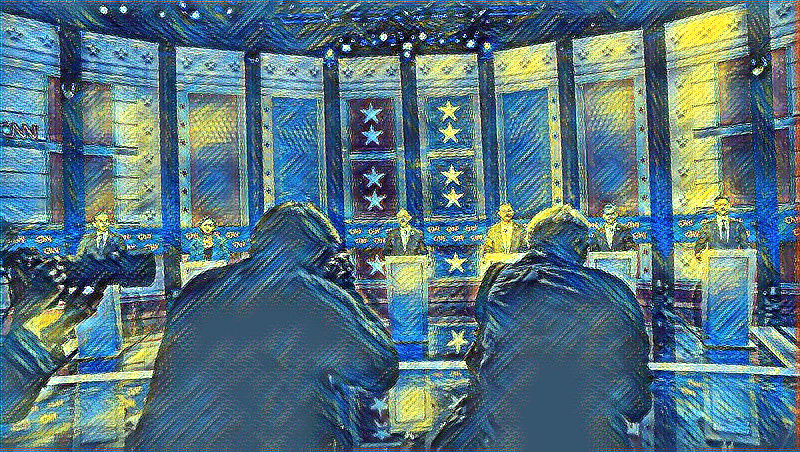
Seven candidates fiercely debated key issues during CNN's California Gubernatorial Debate, highlighting deep ideological divides and intense personal attacks with the election approaching.
Debate Overview and Stakes
The debate took place on Tuesday, May 5th, at East Los Angeles College Auditorium. With the primary election approaching, candidates aggressively sought to differentiate themselves, often engaging in heated exchanges with one another, particularly targeting former HHS Secretary Xavier Becerra.
- Participants: The debate featured two Republicans (Chad Bianco and Steve Hilton) and five Democrats (Katie Porter, Becerra, Tom Steyer, Matt Mahan, and Antonio Villaraigosa).
- Election Context: Democrats are dominant in California, but the top two vote-getters across all parties will advance in the nonpartisan June 2 primary, forcing all candidates to distinguish themselves.
Economic Challenges and Democratic Messaging
When questioned about why Democrats should retain power, candidates struggled to articulate a unified vision for the state, especially given California's high unemployment rate and elevated gas prices.
- Attributing Problems:
- Becerra blamed high gas prices on the war in Iran and high grocery costs on tariffs.
- Steyer pledged to challenge "special interests" to lower costs for healthcare, housing, and energy.
- Porter stated that California "does need to make changes," while Mahan suggested the state deserved better.
- Challenging the Status Quo: Matt Mahan positioned himself as the only Democrat challenging the party establishment for better results, criticizing Governor Gavin Newsom.
Key Policy Flashpoints: Healthcare and Governance
Two major policy areas dominated the discussion: single-payer healthcare and the performance of the current administration.
Single-Payer Healthcare Debate
Ideological rifts were evident regarding healthcare funding:
- Becerra: Maintained support for Medicare for All, though reports indicated he had previously softened his stance while seeking the California Medical Association's endorsement.
- Steyer: Now supports Medicare for All, contrasting with his 2020 presidential run, calling it "the only way we can deliver healthcare as a right at a cost that California can afford."
- Mahan: Questioned the funding mechanism for single-payer advocates, stating they "don’t know how to pay for it."
- Villaraigosa: Believes healthcare is a right but dismissed Medicare for All as "pie in the sky."
Attacks on Becerra and Personal Conduct
Democrats intensified their focus on Becerra, citing inconsistencies on healthcare and questioning his overall clarity. Villaraigosa and Porter both criticized his shifting positions on single-payer care. Furthermore, Becerra faced criticism regarding a past case involving his chief of staff, though Becerra denied any personal wrongdoing.
Candidate Tactics and Newsom's Legacy
Candidates employed various tactics to gain visibility, including Porter, who addressed past scrutiny over a 2021 video, emphasizing her apologies and pivoting the focus to the onstage bickering. The Republicans, Bianco and Hilton, frequently pointed out the Democrats' difficulty in offering positive assessments of the state.
- On Governor Newsom: When asked to describe Newsom's performance in one word, Democratic responses were varied (e.g., "performative," "bold," "progressive"). In contrast, the Republican candidates labeled his performance as "failed" or a "failure."
- Hilton's Stance: Despite Trump's endorsement, Steve Hilton remained cautious, urging the focus to be on working with the president regardless of party, while Becerra strongly defended the relationship with Donald Trump.