BN
|
BusinessAI Desk1 views

Iran War Spurs EV Demand as Auto Giants Pivot to Combustion

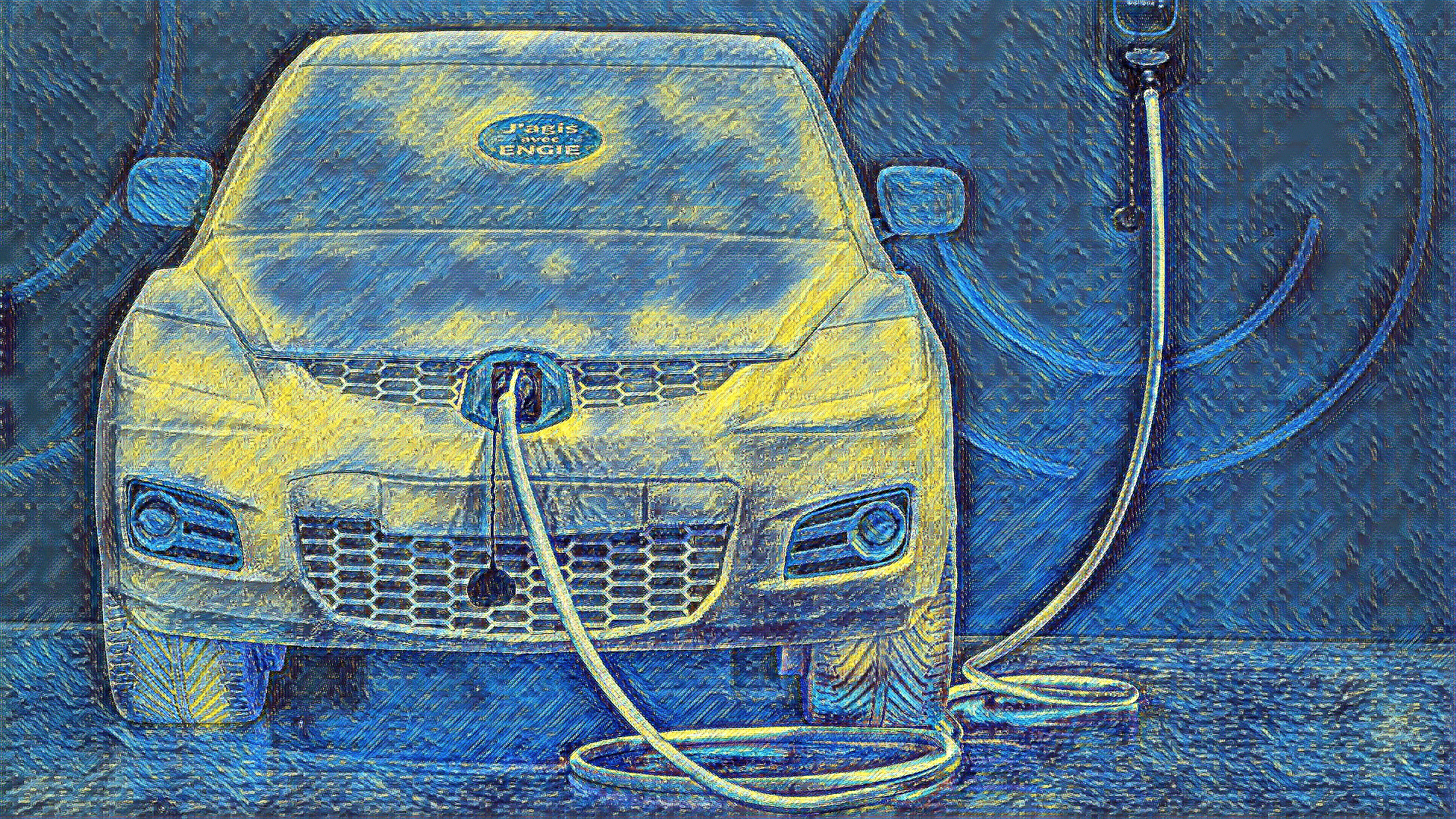
The Iran war has disrupted oil exports, increasing energy prices and sparking a rise in electric vehicle interest in the US and Europe. Despite this, major automakers like Ford, GM, and Stellantis are reversing their EV strategies to focus on combustion engines due to weak demand. US EV sales fell 28% in Q1 2026, while hybrids gained, accounting for 26% of new sales. Experts warn that while high oil prices may boost EV demand mid-term, challenges like infrastructure and economic uncertainty persist. In Europe, EVs are already reducing oil imports, and the crisis could accelerate the transition to electrification.

Ad slot
Iran War Spurs EV Demand as Auto Giants Pivot to Combustion

The Iran conflict has disrupted global oil markets, leading to higher energy costs and a surge in electric vehicle inquiries, even as major automakers reverse their EV strategies.

Oil Supply Disruption

  • The war, starting February 28, 2026, has severely disrupted oil exports through the Strait of Hormuz, which handles about 20% of global oil and LNG shipments.
  • Surging oil and gas prices have jolted energy markets and raised inflation concerns, highlighting dependence on fragile fossil fuel routes.

Rising Consumer Interest in EVs

  • Autotrader reported a 28% increase in new EV inquiries and 15% in used EV inquiries since the war began.
  • Octopus Electric Vehicles saw EV leasing inquiries rise 36% in the same period.
  • This trend contrasts with automakers' shifting strategies.
Ad slot

Automakers Reverse EV Strategies

  • Ford, General Motors, and Stellantis have pivoted back to internal combustion engine (ICE) vehicles, booking billions in write-offs and restructuring costs.
  • Reasons include lackluster consumer demand and changing political landscapes.

Regional Market Performance

  • United States: EV sales dropped 28% in Q1 2026 to 212,600 units, but electrified vehicles (EVs and hybrids) reached a record 26% market share, led by Toyota hybrids.
  • Europe: EVs are cutting oil imports; the crisis may accelerate EV adoption due to potential long-term infrastructure damage.

Challenges and Expert Insights

  • Experts note that high oil prices could mid-term boost EV demand, but factors like electricity price risks, economic uncertainty, and charging infrastructure act as counterweights.
  • Cox Automotive indicates gas prices must remain elevated for six months or more to significantly alter consumer buying habits.
  • Hurdles such as cost (average new EV at $55,300 vs. $48,768 for non-EVs), range anxiety, and infrastructure remain.
  • Julia Poliscanova of Transport & Environment suggests this crisis might differ, with prolonged supply issues pushing a faster shift to EVs in Europe.
Ad slot