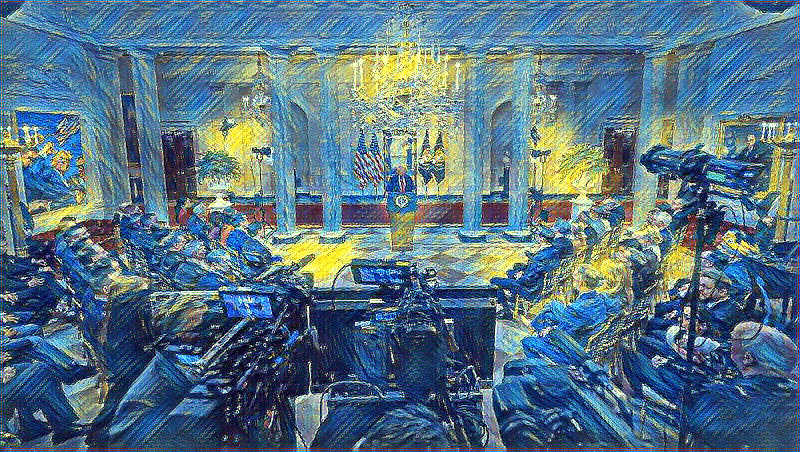
In his first national address on the Iran conflict, President Donald Trump justified the military action but omitted a concrete plan for conclusion, intensifying public and global unease.
Background
Trump addressed the nation from the White House Cross Hall as polls show declining confidence in his presidency and souring public opinion on the war, with deep concerns about economic impact.
War Justifications
He argued that Iran's regime, posing a nuclear threat after 47 years, required military action due to failed diplomacy and internal repression. Trump projected strength as a political asset.
Inconsistencies and Evidence
Some claims, such as Iran being near a nuclear weapon or capable of striking the US mainland, contradicted intelligence assessments. No detailed evidence was presented for public scrutiny.
Escalation Threats
Trump warned of further attacks, stating, "Over the next two to three weeks, we’re going to bring them back to the stone ages," and threatened Iranian electrical and oil facilities if peace demands aren't met.
Unanswered Critical Questions
- Regime Change: Claimed success in killing leaders like Ayatollah Khamenei, but Iran remains under potentially more radical remnants.
- Uranium Security: No plan to secure highly enriched uranium; reliance on satellite surveillance leaves nuclear threat assurances in doubt.
- Strait of Hormuz: No solution to Iran's blockade, which threatens global recession and keeps the economy hostage.
- Exit Strategy: No clear path beyond unlikely complete Iranian capitulation.
Political and Economic Fallout
- Approval ratings are low: 35% overall, with only 31% approving of economic handling per a CNN/SSRS poll.
- 68% oppose sending ground troops, and two-thirds say his policies worsen economic conditions.
- Gasoline prices exceed $4 per gallon, and global energy markets are unsettled.
Conclusion
The speech did not alleviate anxieties about the war's duration or its economic consequences, leaving both the American public and international investors concerned.