Boost Bone Density: Natural Strategies Beyond Medication
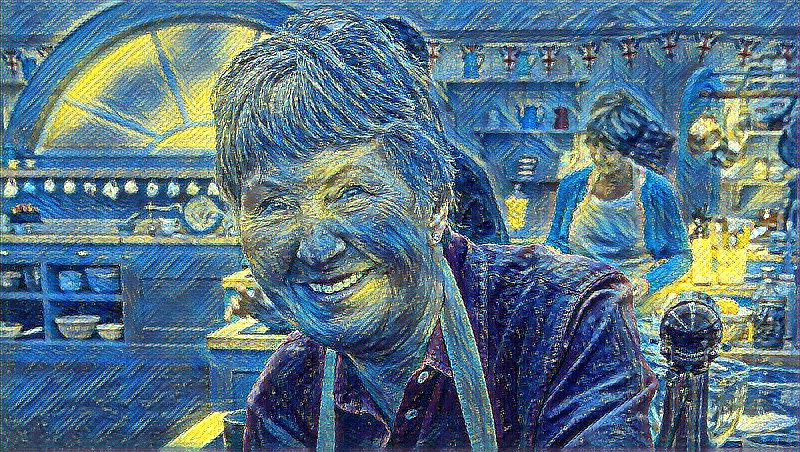
Val Stones, a 'Great British Baking Show' star, was diagnosed with osteoporosis at 56 after a fall, highlighting the condition's silent nature and prevalence among older women. Experts stress that bone density can be improved through a combination of calcium-rich diets, vitamin D, protein, and exercises like resistance training and high-impact activities. Lifestyle adjustments, such as reducing sodium and alcohol intake, support bone health, while DEXA scans enable early detection. Although medication is necessary for some, Stones demonstrates that natural methods can effectively manage osteoporosis. The overarching message emphasizes that bone strength is built over time through consistent, balanced habits and regular medical check-ups.
Ad slot
Val Stones, a celebrity baker from "The Great British Baking Show," transformed her osteoporosis diagnosis into advocacy, proving that diet and exercise can effectively manage bone health without relying solely on medication.
Val Stones' Personal Journey
At 56, Stones broke her wrist after a fall, leading to an osteoporosis diagnosis. Now 76, she manages the condition through calcium-rich diets, resistance training, and balance exercises, partnering with the Royal Osteoporosis Society to raise awareness.
Understanding Osteoporosis
Osteoporosis, the most common metabolic bone disease globally, affects about 10 million Americans and 3 million Brits, predominantly older women. Often symptomless until fractures occur, it typically develops from osteopenia, a state of low bone density.
Nutrition for Stronger Bones
Experts emphasize a holistic diet over single nutrients. Key elements include:
Calcium: Found in dairy, fortified plant milks, leafy greens, and seeds; essential for bone structure.
Vitamin D: Aids calcium absorption; sources include sunlight, fatty fish, fortified foods, or supplements.
Protein: Supports muscle and bone strength; up to 60 grams daily may optimize bone density.
Other minerals: Magnesium, vitamin K, and potassium contribute to bone maintenance.
Stones created bone-friendly recipes, such as a calcium-packed cake, to promote nutritious eating.
Ad slot
Exercise to Enhance Bone Density
Physical activity stimulates bone-building cells through muscle stress and impact. Effective exercises include:
Resistance training: Weightlifting to apply stress and promote bone growth.
High-impact activities: Jumping or running to increase density, especially in hips and spine.
Balance exercises: Daily routines to prevent falls, crucial for those with osteoporosis.
Experts advise combining resistance and impact exercises with proper form to avoid injuries like compression fractures.
Lifestyle Factors and Risks
Avoid high sodium, which increases urinary calcium loss.
Limit excessive alcohol, linked to reduced bone density and higher fracture risk.
Moderate caffeine intake is safe with sufficient calcium consumption.
Gut inflammation and certain medications (e.g., steroids) can impair nutrient absorption.
Diagnosis and Management
DEXA scans: Recommended for women 65+, younger postmenopausal women with risk factors, men 70+, and at-risk younger men for early detection.
Medication (e.g., calcium supplements, alendronate) is advised for diagnosed osteoporosis or high fracture risk, but lifestyle changes can improve bone density from osteoporosis to osteopenia over time.
Conclusion
Bone health requires lifelong commitment through balanced nutrition, regular exercise, and risk reduction. Stones' story illustrates that proactive measures, alongside medical guidance, can empower individuals to manage osteoporosis effectively.