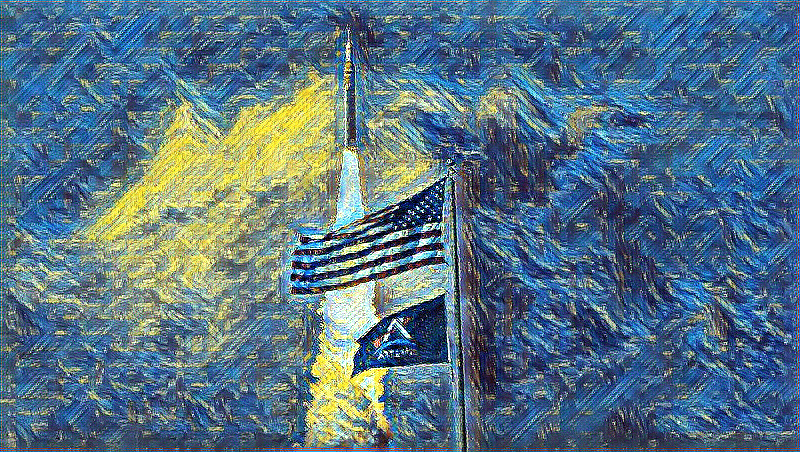
NASA's Artemis II mission has successfully launched, with the Orion spacecraft now in a stable Earth orbit. The four-astronaut crew is poised to undertake a critical manual piloting test.
Mission Milestone
Following the launch, Orion achieved a stable orbit, setting the stage for the Proximity Operations Demonstration. This test is a key step in validating the spacecraft's manual control capabilities for future missions.
Test Details
The Proximity Operations Demonstration will see the crew manually pilot Orion around the ICPS (Interim Cryogenic Propulsion Stage), which separated from the spacecraft approximately three and a half hours after launch. The ICPS acts as a surrogate for future docking targets.
Key maneuvers include:
- Approaching the ICPS to about 328 feet (100 meters).
- Executing a flip maneuver and closing to within 32.8 feet (10 meters).
- Manually backing away, pausing, and then flying toward specific reflectors on the ICPS.
- The entire demonstration is expected to last around one hour.
Strategic Importance
Howard Hu, NASA's Orion Program manager, highlighted the test's purpose: "Orion we developed for autonomous capability all the way to docking, so the crew does not need to take over in a manual way. But we want to make sure we understand our manual capabilities. The demonstration gives the crew an opportunity to really, I would say, test drive the car."
This manual test complements Orion's automated systems and ensures crew readiness for more complex future missions, such as lunar landings.
Media Coverage
For an in-depth look, media partners have provided virtual simulations of this mission milestone.