Trump's 'Liberation Day' Sparks Global Investment Diversification
On April 2, 2025, President Trump announced extensive 'liberation day' tariffs, causing global market panic and a 'Sell America' trend. Over the past year, U.S. assets have remained volatile due to policy unpredictability, while markets in Brazil, the U.K., and Japan have outperformed the S&P 500. Despite tariff reductions and a Supreme Court ruling against the policy, new investigations have been initiated. Global investors are increasingly diversifying away from U.S. holdings, reassessing the narrative of American exceptionalism. Experts suggest that while recent trends favor non-U.S. markets, long-term U.S. growth potential remains, underscoring the importance of diversification.
Ad slot
One year after President Trump's 'liberation day' tariff announcement, global investors are shifting capital away from U.S. assets amid persistent policy uncertainty and market volatility.
The 'Liberation Day' Announcement
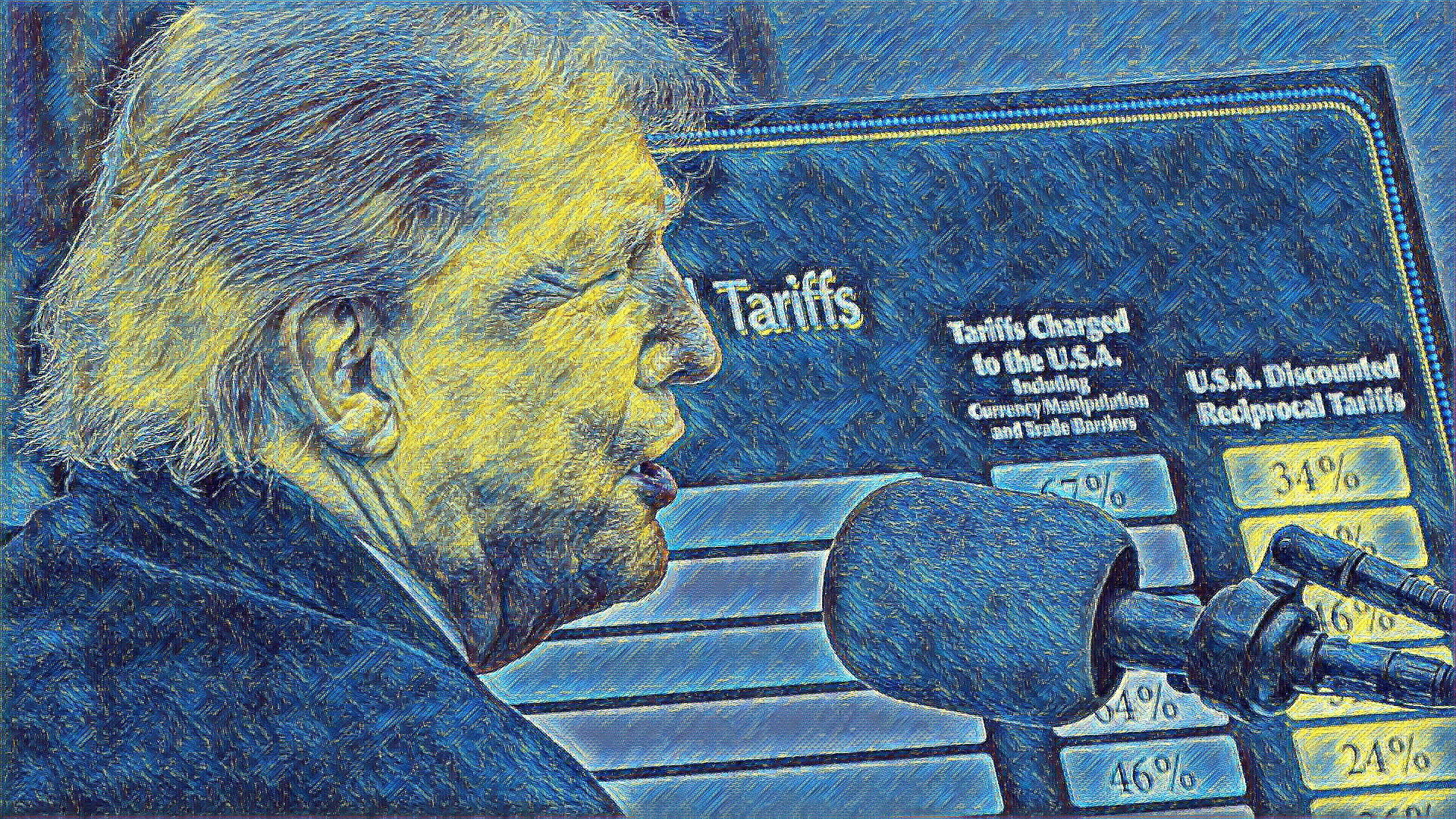
On April 2, 2025, President Donald Trump unveiled a series of country-specific tariffs in the White House Rose Garden, dubbing it his 'liberation day' trade policy. The tariffs included:
34% on Chinese goods
20% on EU imports
46% on Vietnamese goods
This move sparked immediate panic and a global sell-off.
Market Reactions and Volatility
The announcement led to a 'Sell America' trade, with U.S. equities, Treasurys, and the dollar all suffering significant declines. In the following months, U.S. assets continued to experience volatility linked to Trump's unpredictable policy mix, giving rise to trading trends such as ABUSA (Anywhere But the USA) and TACO (Trump Always Chickens Out).
Ad slot
Policy Developments and Legal Challenges
Washington later negotiated trade deals that reduced tariffs for key partners like the EU, U.K., India, and Switzerland. However, in February, the U.S. Supreme Court ruled the tariff regime illegal, and a judge ordered potential refunds to importers. Last month, Trump launched Section 301 investigations into over a dozen trading partners, including China, the EU, Japan, Switzerland, and India, paving the way for new import duties. A 10% 'universal' tariff was imposed, with plans to raise it to 15%.
Investor Sentiment and Diversification Trends
Investors are reassessing their exposure to U.S. markets. Russ Mould, investment director at AJ Bell, noted that tariffs, challenges to Fed independence, and geopolitical actions are prompting a rethink of American exceptionalism. Data shows that international funds excluding the U.S. have seen increased interest, with investors deliberately avoiding U.S. assets. According to AJ Bell, indexes like Shanghai Composite, South Korea's Kospi, and Japan's Nikkei 225 have outperformed U.S. averages since 'liberation day'.
Expert Analysis
Daniel Casali of Evelyn Partners highlighted that the MSCI USA index has underperformed the MSCI All Country World Index since April 2025, reflecting the impact of 'America First' policies and erratic decision-making. However, he cautioned that U.S. underperformance may not persist long-term due to the economy's growth history and innovation leadership, advocating for balanced diversification.