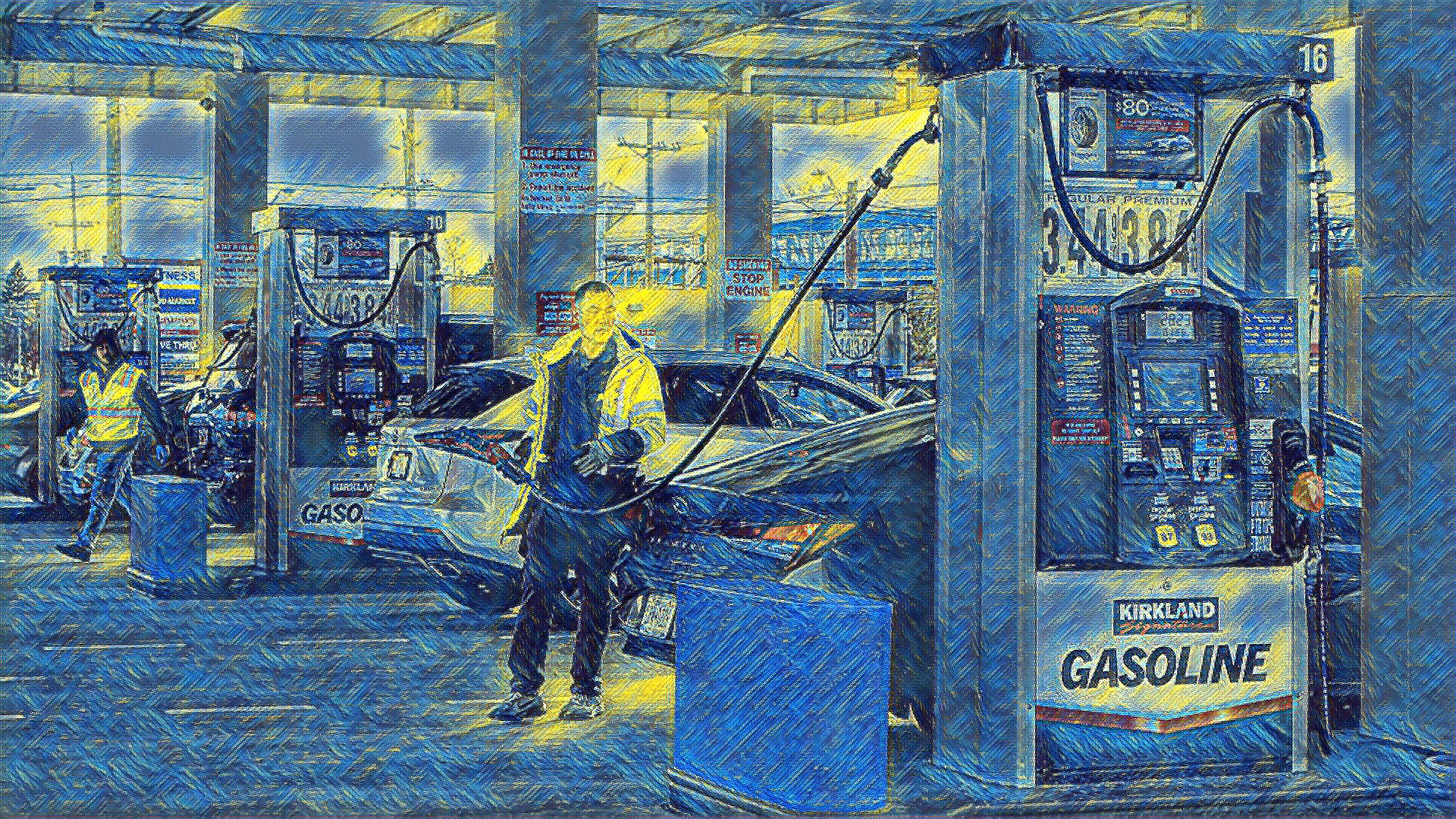
President Donald Trump asserts the Iran war will conclude within two to three weeks, but soaring oil prices and analyst warnings indicate that a prolonged conflict could cause lasting demand destruction in the energy sector.
Trump's Conflict Timeline
President Trump reiterated on Wednesday that he expects the war with Iran to end within weeks, stating U.S. forces will "hit" Iran "extremely hard" during this period. He had previously made similar remarks at the White House, emphasizing an end regardless of a deal.
Oil Price Surge
Following U.S. and Israeli strikes on Iran starting February 28, which led to the closure of the Strait of Hormuz, Brent crude oil prices surged over 60% in March—the largest monthly gain since the 1980s. As of late March, Brent traded around $107.79 per barrel, and U.S. WTI at over $106.
Risks of Demand Destruction
Prolonged supply disruptions may force demand reductions. Key points include:
- High prices could reduce gasoline and diesel consumption in flexible markets like the U.S. and price-sensitive emerging markets such as South Africa, Philippines, Malaysia, and Vietnam.
- Sectors like aviation and Asian petrochemical industries show early signs of demand destruction.
- Goldman Sachs analysts noted "pockets of clearer demand destruction" in certain markets.
Expert Warnings
- European Central Bank Chief Christine Lagarde cautioned that restoring lost energy supply could take years, calling market optimism "overly optimistic."
- Energy analyst Scott Shelton estimated war-related losses of around 500 million barrels, warning that if conflict extends past a ceasefire, demand destruction could occur by mid-month.
- Professor Simon Evenett argued Iran can sustain pressure on Hormuz, leading to sharp price increases and necessitating demand destruction.
- Chris Metcalfe of IBOSS differentiated between short-term demand modification and structural declines, stressing that sustained high prices drive lasting changes.
Market and Government Response
Current market adjustments are seen as temporary, with no widespread structural demand destruction yet. Governments are reportedly stepping in to address energy costs, though details are limited.