BN
|
Seven Iranian Islands: Strategic Keys to Hormuz Strait Amid US Tensions
World

Seven Iranian Islands: Strategic Keys to Hormuz Strait Amid US Tensions

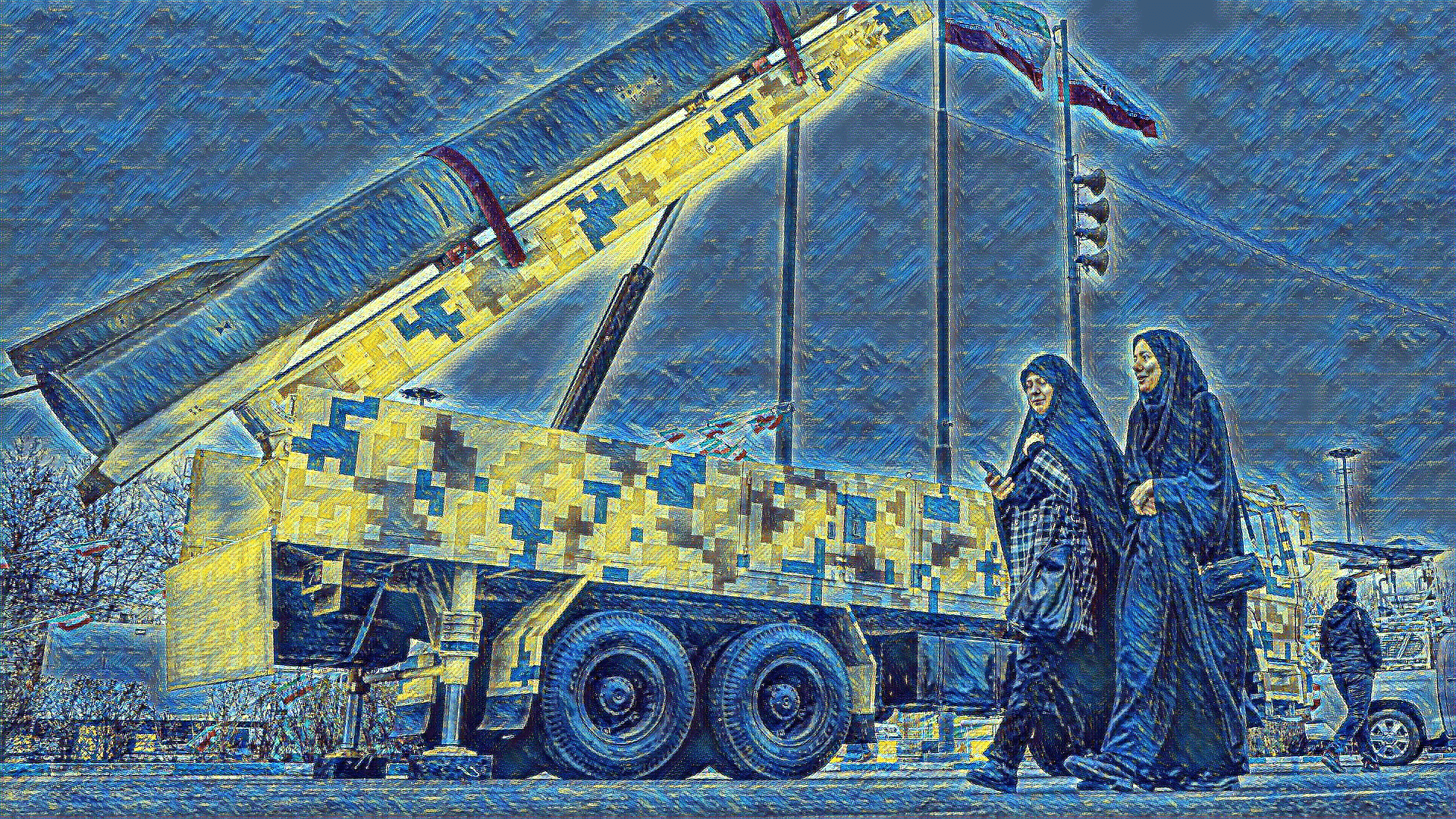
The United States is deploying thousands of troops to the Middle East, with potential focus on seven Iranian islands critical to controlling the Strait of Hormuz. These islands form an 'arch defense' that enables Iran to threaten shipping, and US military plans involve complex amphibious or airborne assaults. However, such operations carry significant risks, including Iranian counterattacks and geopolitical complications with the UAE over island sovereignty. Analysts caution that all options involve high costs and no guaranteed success. The situation persists amid US-Iran negotiations and ongoing military actions.

Ad slot
Houthis Fire Missile at Israel in First Iran War Escalation
World

Houthis Fire Missile at Israel in First Iran War Escalation

Israel intercepted a missile launched from Yemen on Saturday, the first such incident since the US-Israeli war with Iran began four weeks ago. The Iran-backed Houthis have threatened to escalate by closing the Bab al-Mandab Strait, while Iran's closure of the Strait of Hormuz has disrupted global oil markets. The Houthis, who control Yemen's capital since 2014, have been attacking Israeli and US/UK-linked targets in the Red Sea since October 2023. These actions have caused major trade disruptions despite international efforts to stop them. The situation underscores the expanding regional conflict involving multiple actors. Global shipping and energy security remain at risk from these developments.

Iran Strikes U.S. Base in Saudi Arabia, 12 Troops Injured: U.S. Official
World

Iran Strikes U.S. Base in Saudi Arabia, 12 Troops Injured: U.S. Official

An Iranian military strike on Prince Sultan Air Base in Saudi Arabia wounded 12 U.S. troops, two seriously, on Friday. This increases the total wounded in the conflict since February 28 to over 300, with 13 fatalities. Earlier, 273 wounded service members had resumed duties. The ongoing war, which began on February 28, continues to inflict significant casualties on U.S. forces. Regional tensions remain high, evidenced by recent military displays in Iran during a revolutionary anniversary rally.

Trump Orders TSA Pay Amid Record DHS Shutdown Crisis
Politics

Trump Orders TSA Pay Amid Record DHS Shutdown Crisis

President Donald Trump signed an executive order on April 24, 2026, to pay TSA employees during a 44-day DHS shutdown caused by congressional failure to agree on funding, particularly for ICE and Border Patrol. The order aims to ease airport security lines but does not resolve the shutdown, which stems from partisan disputes over immigration enforcement reforms. The Senate passed a bill funding most DHS agencies except ICE, but House Republicans rejected it, passing an alternative short-term measure instead. This impasse highlights a rift between congressional leaders and leaves thousands of federal workers financially strained while airport operations face growing delays.

‘Now we have the proof’: Safety advocates hope a landmark jury ruling could lead to social media changes
Tech

‘Now we have the proof’: Safety advocates hope a landmark jury ruling could lead to social media changes

Trong tuần này, hai bồi thẩm đoàn tại Mỹ đã phán quyết Meta và YouTube (Google) có trách nhiệm về tác hại đến trẻ em và thanh thiếu niên. Ở New Mexico, Meta bị tìm thấy tạo ra 'môi trường cho kẻ ấu dâm', còn ở California, cả Meta và YouTube bị xác định thiết kế nền tảng gây nghiện và không cảnh báo rủi ro. Các công ty tuyên bố sẽ kháng cáo và cho biết đã đầu tư biện pháp an toàn. Các nhà hoạt động an toàn trực tuyến kỳ vọng phán quyết này thúc đẩy thay đổi thiết kế sản phẩm và kêu gọi Quốc hội Mỹ thông qua luật bắt buộc trách nhiệm chăm sóc để bảo vệ trẻ em.

House GOP Blocks DHS Funding Bill, Prolonging Shutdown and Airport Delays
Politics

House GOP Blocks DHS Funding Bill, Prolonging Shutdown and Airport Delays

The partial DHS shutdown persists after House Republicans rejected a Senate bill funding most agencies except ICE and CBP. Speaker Johnson proposed a temporary funding bill until May 22, which the Senate is unlikely to pass. President Trump's order to pay TSA agents may ease travel disruptions but not resolve the funding dispute. Conservative House members demand added ICE and CBP funding plus a voter ID provision. Democrats support the Senate version and blame Republicans for the impasse. The political stalemate threatens to prolong airport delays and government disruption.

Bank of America to Pay $72.5M to Epstein Victims in Settlement
Business

Bank of America to Pay $72.5M to Epstein Victims in Settlement

Bank of America has agreed to a $72.5 million settlement with victims of Jeffrey Epstein, resolving allegations that the bank facilitated his sex trafficking activities. The settlement, which does not admit wrongdoing, is the fourth involving a major bank and requires court approval. It compensates women abused by Epstein or his associates between June 2008 and July 2019, with at least 60 victims identified. The bank asserts the deal provides closure while maintaining its prior denials. Legal approval from Judge Jed Rakoff is pending, and victim representation firms have been approached for comment.

Caleb Foster Wills Duke to Elite Eight Despite Foot Fracture
Sports

Caleb Foster Wills Duke to Elite Eight Despite Foot Fracture

In the NCAA Sweet 16, Duke's Caleb Foster played through a recently fractured foot, scoring 11 points and adding two assists in 18 minutes to secure an 80-75 victory over St. John's. Coach Jon Scheyer acknowledged Foster shouldn't have played but highlighted his extraordinary will and leadership. Foster, the Blue Devils' veteran with 96 games, sparked a seven-point run to overcome a deficit and provided steady guidance in huddles. His return was driven by a personal promise to his coach after a previous injury. This resilient performance propelled Duke to the Elite Eight, underscoring Foster's clutch ability and team impact.

TSA Pay Confusion Worsens Spring Break Travel Delays
Politics

TSA Pay Confusion Worsens Spring Break Travel Delays

The partial U.S. government shutdown has caused severe TSA staffing shortages, leading to prolonged security lines during a busy spring break travel period. Despite a presidential memo promising pay, confusion persists among workers, with nearly 500 having quit and thousands absent. ICE agents have been deployed to assist but with limited impact on delays. Political stalemate in Congress hinders a funding solution, and experts warn that full staffing recovery will take weeks. TSA employees are enduring financial hardships, while community donations offer some relief. The situation remains uncertain as travel demand peaks.

US-Iran War Day 29: Trump Vows 'Not Finished' as Troops Wounded
Politics

US-Iran War Day 29: Trump Vows 'Not Finished' as Troops Wounded

On day 29 of the US-Iran conflict, President Trump emphasized the war is ongoing with thousands of targets remaining. An Iranian attack on a Saudi air base wounded at least 10 US service members. Israel struck Iranian nuclear facilities, and joint US-Israeli raids in western Iran resulted in 20 deaths. In Israel, a cluster munition attack killed one and injured four. The US asserted it can achieve goals without ground troops, reinforcing with troops and an aircraft carrier. These developments highlight sustained military actions and strategic posturing.

Israel Yemen Missile: Iran War Escalates with US Target List
World

Israel Yemen Missile: Iran War Escalates with US Target List

Israel identified a missile launch from Yemen, the first such incident in the Iran-Israel war. Ten US service members were injured in an Iranian attack on a Saudi air base. President Trump emphasized the conflict continues with 3,554 targets remaining, while Secretary Rubio suggested a swift resolution without ground troops. The US is increasing its military presence with an aircraft carrier deployment and over 1,000 troops. These updates highlight escalating US involvement in the regional conflict.

U.S. Payrolls Drop 92,000 in February; Unemployment Rises to 4.4%
Business

U.S. Payrolls Drop 92,000 in February; Unemployment Rises to 4.4%

In February 2025, U.S. nonfarm payrolls unexpectedly decreased by 92,000, and the unemployment rate rose to 4.4%. The decline was largely due to severe winter weather and a strike at Kaiser Permanente, which cost the healthcare sector 28,000 jobs. Despite the job losses, average hourly earnings grew more than forecast. Federal Reserve officials expressed caution, highlighting risks from inflation and geopolitical factors. The White House linked the slowdown to policies against illegal immigration. Economists view the report as a temporary setback but note increased downside risks for the labor market.

Canadians Sustain 'Elbows Up' Boycott Over Trump Tariffs
World

Canadians Sustain 'Elbows Up' Boycott Over Trump Tariffs

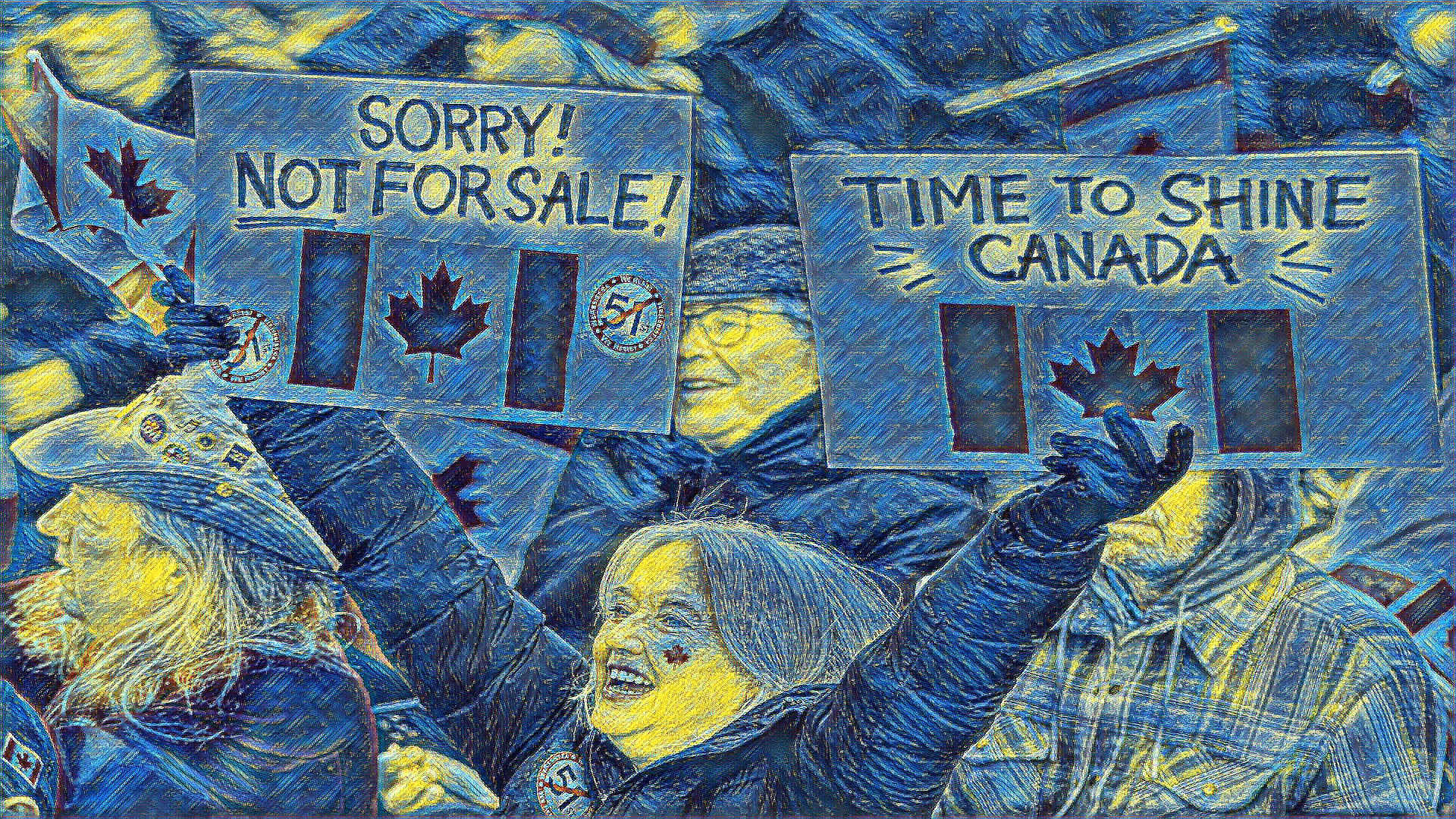
Canadians have maintained a boycott of U.S. goods and travel for over a year in response to President Trump's sovereignty threats and tariffs. This has led to record-low imports from the U.S., shifts in consumer behavior, and declines in cross-border tourism. Businesses have adapted by promoting Canadian products, and political leaders have pursued new trade agreements. Public opinion towards the U.S. has reached historic lows, though economic interdependence persists. The future of Canada-U.S. relations depends on trade negotiations and political developments, with opinions divided on whether changes are permanent.

Oil Spike to $100 Sparks Stagflation Fears: Threat Assessment
Business

Oil Spike to $100 Sparks Stagflation Fears: Threat Assessment

Oil prices have spiked to $100 per barrel due to Middle East tensions, raising fears of stagflation in the U.S. The labor market showed weakness with 92,000 jobs lost in February 2025 and unemployment at 4.4%, while core inflation remains at 3%, above the Fed's 2% target. Economists warn that sustained high oil prices could lead to prolonged inflation and slow growth, with a 35% probability of 1970s-style stagflation. The Federal Reserve faces a dilemma between controlling inflation and supporting employment, as markets adjust expectations for interest rate cuts. Historical parallels suggest previous shocks often subsided, but the current risk hinges on the duration of geopolitical disruptions. Overall, the economic outlook depends on resolving the Iran situation and the Fed's policy response.

Kevin Warsh Braces for Economic Perfect Storm as Fed Chair
Business

Kevin Warsh Braces for Economic Perfect Storm as Fed Chair

Kevin Warsh is poised to take over as Federal Reserve chair in May 2025, facing a complex economic environment. Key challenges include persistent inflation and a deteriorating labor market, which could lead to stagflation. The Iran war has exacerbated these issues by driving oil prices above $100 per barrel, though prices eased following presidential comments. Economist Troy Ludtka cautions that such conditions might force the Fed to choose between its dual mandates, potentially undermining both. This scenario places immense pressure on Warsh as he prepares to lead the central bank during a volatile period.

Iran Sends Millions of Oil Barrels to China via Hormuz Despite War
World

Iran Sends Millions of Oil Barrels to China via Hormuz Despite War

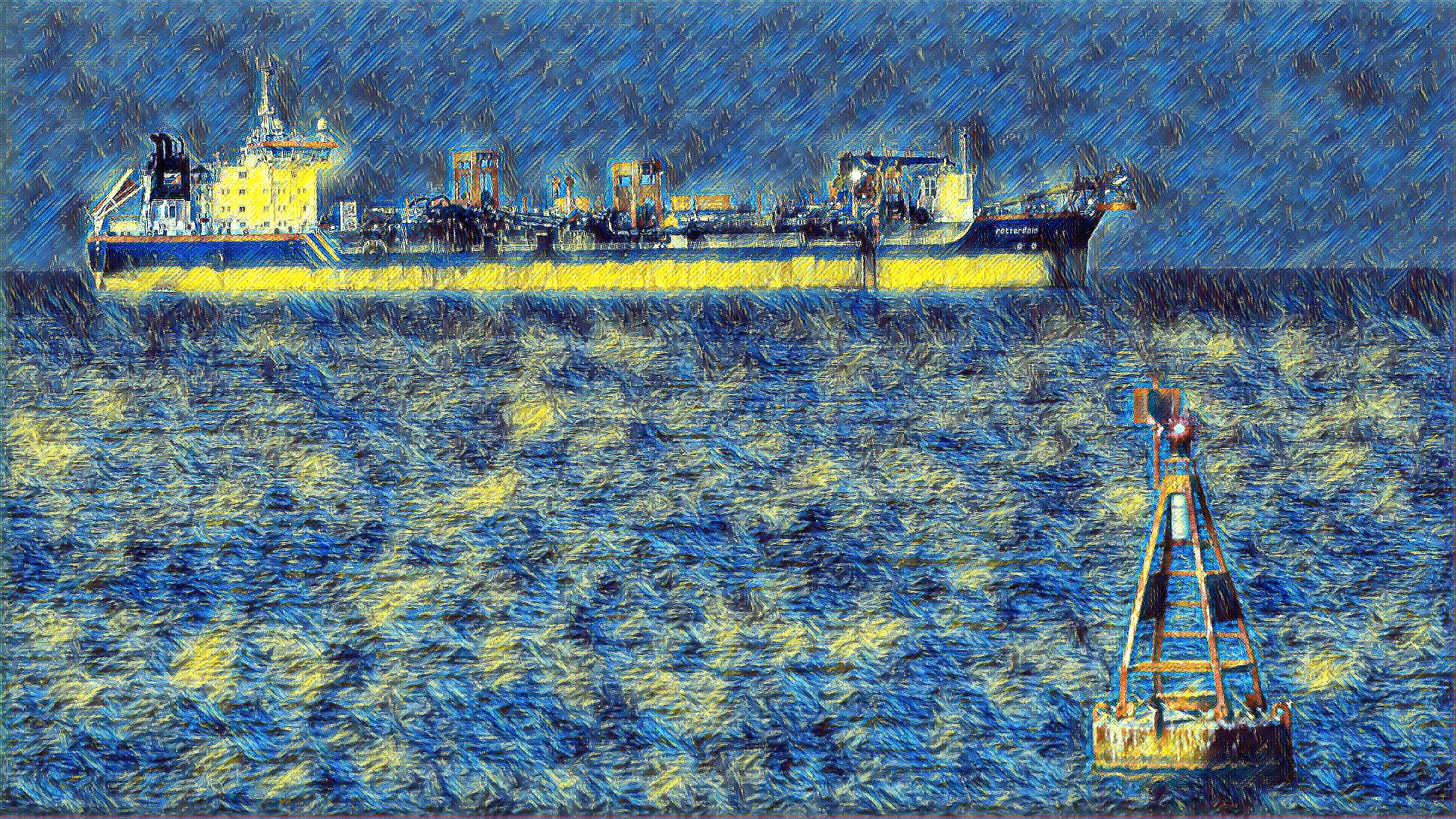
Iran has exported approximately 11.7 million barrels of crude oil to China through the Strait of Hormuz since the U.S.-Israel war began on February 28, 2026, despite the conflict severely disrupting shipping in the waterway. The war has led to vessels going dark, attacks on ten ships, and at least seven fatalities, raising security concerns. Iran is attempting to use the Jask terminal as an alternative export route, but it is less efficient than the primary Kharg Island facility. Meanwhile, China has increased its Iranian oil imports by 15.8% in early 2026 and built substantial stockpiles to mitigate supply risks. The ongoing conflict has heightened tensions in the Strait of Hormuz, a chokepoint for global oil, and contributed to higher oil prices. International responses include U.S. President Trump urging ships to transit the strait, while the war shows no immediate de-escalation.

US CPI Rises 2.4% Annually in February, Matching Forecasts
Business

US CPI Rises 2.4% Annually in February, Matching Forecasts

U.S. consumer prices rose 2.4% annually in February, matching forecasts, with core inflation steady at 2.5%. The report showed modest increases in shelter and services but a sharp 1.3% monthly rise in apparel due to tariffs. This data precedes an oil price spike from the U.S.-Israel conflict with Iran, which may elevate inflation in March. Markets reacted cautiously, and the Federal Reserve is projected to hold interest rates steady at its March 18 meeting. Economists note that underlying inflation pressures persist, despite the temporary energy shock.

U.S. Deficit Tops $1 Trillion Through February, Down 12% from Last Year
Business

U.S. Deficit Tops $1 Trillion Through February, Down 12% from Last Year

The U.S. federal budget deficit exceeded $1 trillion for the fiscal year through February 2025 but decreased by 12% compared to the same period last year. A surge in tariff revenues, up 294% to $151 billion, helped narrow the deficit, while corporate tax revenue declined by 17%. The Supreme Court's ruling against many Trump tariffs has not yet affected the data, possibly due to processing delays or import surges, and additional tariffs have been imposed since. High interest rates led to $79 billion in net interest payments in February, ranking it as a major federal expense after Social Security and health care. Tariff revenues surpassed corporate tax receipts for the first time in the fiscal year to date. The monthly deficit in February was $308 billion, consistent with the prior year.

Trump Escalates China Trade War with Section 301 Probe Before Beijing Summit
Business

Trump Escalates China Trade War with Section 301 Probe Before Beijing Summit

The U.S. has launched Section 301 trade investigations into China, focusing on unfair practices like overcapacity and forced labor. This action comes weeks before a key summit in Beijing and follows a Supreme Court ruling that limited Trump's tariff powers. China's exports have grown significantly, with a record trade surplus, strengthening its economic position. The probes increase uncertainty in U.S.-China relations and may complicate summit negotiations. Experts view this as a strategy to build leverage ahead of the meeting. The move reflects ongoing tensions in the bilateral trade relationship.

Section 301 Probes: Trump's Tariff Strategy Explained
Politics

Section 301 Probes: Trump's Tariff Strategy Explained

The U.S. Trade Representative has initiated Section 301 investigations into 16 trading partners, focusing on excess manufacturing capacity that allegedly harms U.S. industries. This action follows a Supreme Court decision invalidating Trump's reciprocal tariffs, prompting the administration to seek alternative ways to reimpose duties. The probes could lead to new tariffs or import restrictions if unfair practices are confirmed. Key partners like China and the EU have expressed concerns, warning that this might undermine prior trade agreements. Experts note the odd timing, as the U.S. is concurrently engaged in military actions in Iran. A public hearing is set for May 5, with decisions expected by summer.

Gig Workers Squeezed by Gas Prices at 21-Month High
Business

Gig Workers Squeezed by Gas Prices at 21-Month High

U.S. gasoline prices have surged 22% to $3.59 per gallon, a 21-month high, placing severe strain on gig economy workers who depend on vehicles for income. Drivers and delivery personnel are adapting by changing routes and using fuel apps, but face heightened financial instability. Diesel prices have also spiked, threatening truckers' margins and potentially increasing consumer goods prices. Experts warn that the volatile market, influenced by geopolitical events and seasonal demand, could push gas to $4 per gallon. Gig workers, often from vulnerable demographics, lack the leverage to offset costs, leading to calls for platform support like gas surcharges. This crisis underscores broader economic precarity and inflationary pressures affecting all Americans.

U.S. GDP Growth Revised Down to 0.7% in Q4; Core Inflation at 2.8%
Business

U.S. GDP Growth Revised Down to 0.7% in Q4; Core Inflation at 2.8%

The U.S. Commerce Department revised fourth-quarter 2025 GDP growth down to 0.7% from 1.4%, citing reduced government and consumer spending. This marked a significant slowdown from the previous quarter's 4.4% growth and missed forecasts. Full-year GDP for 2025 was 2.1%, down from 2.8% in 2024. Core inflation, measured by the PCE index, rose 0.3% in January 2026, with an annual rate of 2.8%, exceeding the Federal Reserve's target. These figures indicate cooling economic growth but persistent inflationary pressures.

Iran War Oil Spike Raises 1970s Stagflation Fears
Markets

Iran War Oil Spike Raises 1970s Stagflation Fears

The Iran conflict has caused an oil price increase, sparking fears of stagflation reminiscent of the 1970s. However, key differences exist, such as the U.S. being a top oil producer and a strong dollar that has curbed gold gains. Historical patterns show small-cap outperformance in the 1970s followed a market crash that hasn't happened yet. Analysts suggest a potential shift towards hard assets like energy and minerals. Current oil prices are elevated but below 2022 peaks, contributing to economic uncertainty.

PPI Surges 0.7% in February, Exceeding Forecasts and Raising Inflation Concerns
Markets

PPI Surges 0.7% in February, Exceeding Forecasts and Raising Inflation Concerns

The February producer price index (PPI) rose 0.7% month-over-month and 3.4% annually, significantly surpassing the 0.3% forecast. Core PPI increased 0.5% monthly and 3.9% yearly, remaining above the Federal Reserve's 2% target. Services costs, led by portfolio management and securities brokerage, were primary drivers. Markets reacted negatively, with futures falling and yields rising, delaying Fed rate cut expectations to December. This data emerges against a backdrop of Middle East tensions, though the figures predate direct conflict effects. The persistent inflation pressures challenge the Fed's path on interest rates.