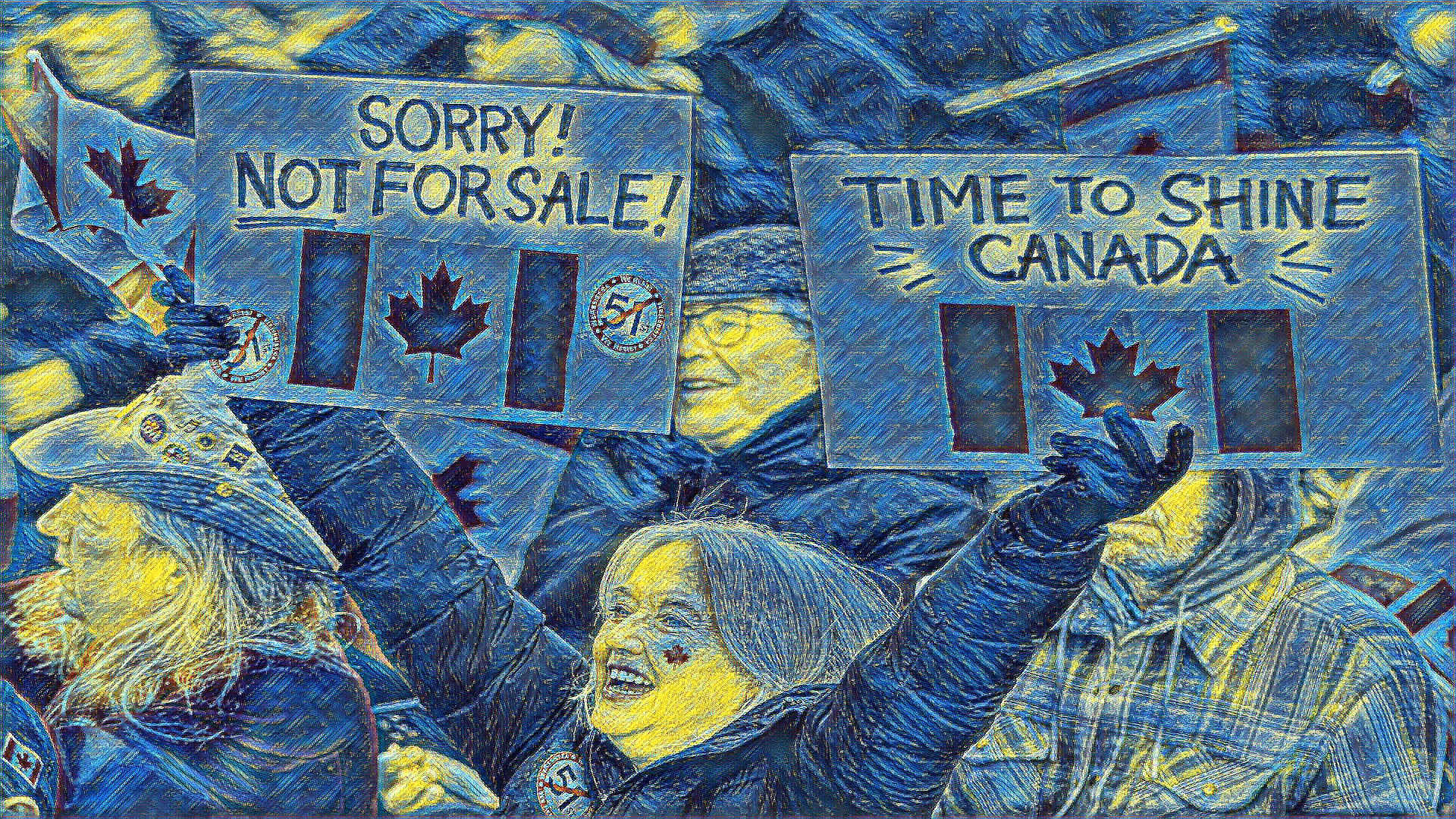
One year after President Donald Trump's sovereignty threats and tariffs, Canadians have sustained a widespread boycott of U.S. goods and travel, reshaping economic and social habits across the nation.
The Rise of 'Elbows Up'
The movement began in early 2025 in response to Trump's repeated calls for Canada to become the 51st U.S. state and his imposition of tariffs. Large protests occurred at Nathan Phillips Square in Toronto, and liquor stores in Vancouver removed top U.S. brands. For Ontario resident Lisa Mcbean, it meant checking product origins and canceling U.S. trips. "Enough is enough," she said, reflecting a broader sentiment.
Economic Restructuring
Data shows a structural shift in Canada's economy:
- Imports from the U.S. hit record lows excluding pandemic years.
- Bank of Canada analysis found Canadians moved food purchases away from U.S. products.
- A Leger poll of over 2,600 consumers: 60% avoided U.S.-made alcohol or produce, and over half avoided U.S. retailers.
- Most Canadians plan to continue avoiding American goods and services.
Business Community Adapts
Businesses responded by emphasizing Canadian ownership:
- B.C. Liquor Stores removed American whiskey and other U.S. products.
- Great American Backrub in Toronto considered dropping its U.S.-sounding name after 25 years.
- Retailers promoted domestic brands, gaining market share.
Political and Trade Responses
Trump's actions included referring to the Canadian prime minister as a "governor" and leveraging economic force. Prime Minister Mark Carney, elected on a platform opposing Trump's bluster, gave a rebuke at Davos and secured a preliminary trade deal with China. Carney's global tour this week excluded the U.S., seeking new alliances.
Tourism and Travel Slump
Cross-border travel plummeted:
- Air return trips from the U.S. down nearly 18% year-over-year.
- Car crossings fell almost 27% in January.
- Airlines plan 11% fewer seats to U.S. snowbird destinations.
- U.S. destinations like Las Vegas casinos and Jay Peak resort saw significant drops in Canadian visitors.
Real Estate and Sentiment Shifts
Canadians are also turning away from U.S. real estate:
- Redfin reported an 18% drop in Canadians viewing U.S. listings in February.
- Deborah Marling sold her Florida home and increased domestic travel.
- Pew Research found the highest unfavorable view of the U.S. among Canadians since 2002.
Future Outlook
Canadians are watching CUSMA renegotiations and U.S. midterm elections for signs of change. While some, like manufacturing worker Chris Agro, say "we need each other," others, like Mcbean, believe "the damage has already been done" and describe it as a "divorce." The long-term impact on the bilateral relationship remains uncertain.