BN
|
BusinessAI Desk3 views

Gig Workers Squeezed by Gas Prices at 21-Month High

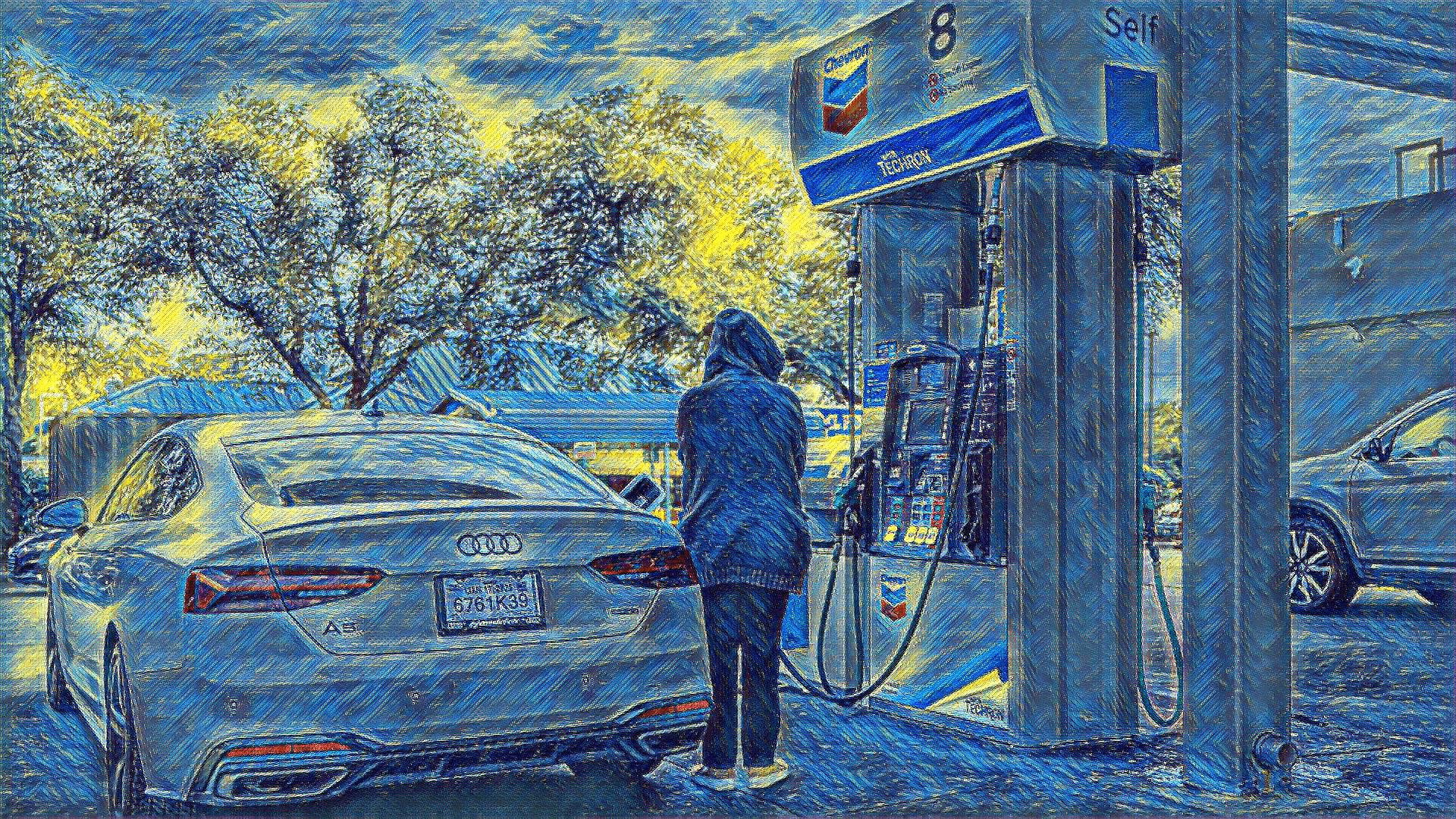
U.S. gasoline prices have surged 22% to $3.59 per gallon, a 21-month high, placing severe strain on gig economy workers who depend on vehicles for income. Drivers and delivery personnel are adapting by changing routes and using fuel apps, but face heightened financial instability. Diesel prices have also spiked, threatening truckers' margins and potentially increasing consumer goods prices. Experts warn that the volatile market, influenced by geopolitical events and seasonal demand, could push gas to $4 per gallon. Gig workers, often from vulnerable demographics, lack the leverage to offset costs, leading to calls for platform support like gas surcharges. This crisis underscores broader economic precarity and inflationary pressures affecting all Americans.

Ad slot
Gig Workers Squeezed by Gas Prices at 21-Month High

Gig economy workers are experiencing acute financial pressure as U.S. gasoline prices climb to their highest point in 21 months, directly affecting millions of drivers and delivery personnel.

Gas Prices Reach Unprecedented Levels

The average price of unleaded gas jumped 22% over the past month to approximately $3.59 per gallon as of Thursday, according to AAA. This marks the highest national average since May 2024. Recent data shows the steepest 10-day spike on record, with the biggest three-day increase since Hurricane Katrina in 2005.

  • Gas prices surged 22% in one month to $3.59/gallon.
  • Highest level since May 2024.
  • Record 10-day spike and largest three-day rise since 2005.

Impact on Gig Workers

For gig workers like Alvaro Bolainez, a Los Angeles rideshare driver, the rapid increase feels "insane" and "overnight." He has adjusted by avoiding shorter rides to maintain profitability. Similarly, food courier Adrian Mussio is optimizing routes, emphasizing tips, and using apps like Gasbuddy to find cheaper fuel. Many are walking for personal errands to save on gas.

  • Drivers are altering behavior to cut costs.
  • Increased use of fuel price apps like Gasbuddy, with user engagement doubling recently.
  • Some gig workers are seeking alternative income sources if prices remain high.

Expert Analysis and Workforce Demographics

Economists warn that rising gas prices inject fear into gig workers' daily lives due to their unstable income. Lindsey Cameron, a management professor studying the gig economy, describes this work as "deeply unstable," with price hikes exacerbating precarity. Estimates suggest 2-4% of the U.S. population engages in gig work, with annual growth of 5-8%. These workers are often younger, lower-income, and people of color.

Ad slot
  • Gig workforce: 2-4% of U.S. population, growing 5-8% annually.
  • Demographics: more likely to be people of color, lower-income, under 30.
  • Experts highlight the lack of ability to raise rates individually compared to other contractors.

Diesel Surge and Trucking Industry Strain

Diesel prices have increased over 35% in 2026, outpacing unleaded gas' 26% rise. Freight dispatcher Shannon Hillock notes that truckers' slim margins are being eroded, forcing them to hike rates. This could lead to higher costs for consumers in groceries and retail. Gasbuddy estimates a 70% chance of diesel hitting $5 per gallon.

  • Diesel up over 35% in 2026.
  • Truckers face profit loss, may pass costs to consumers.
  • High diesel prices affect national supply chains.

Calls for Platform Support and Policy Changes

Some gig workers are advocating for gas surcharges from platforms like Uber and Lyft, similar to policies during the 2022 Ukraine invasion. While DoorDash offers driver discounts, other companies have not responded to inquiries. Small business owners like Ashley Manka are adding fees to offset costs.

  • Advocacy for gas surcharges on gig platforms.
  • Limited corporate responses so far.
  • Individual workers implementing personal fee structures.

Broader Economic Challenges

Beyond gas, gig workers contend with soaring auto insurance, repair costs, and tariffs on car parts. The tight labor market reduces alternatives for employment. As Hillock states, "Every American is going to feel this" as costs ripple through the economy.

  • Additional costs: insurance, repairs, tariffs.
  • Tight labor market limits job switches.
  • Inflationary effects on general population.
Ad slot