BN
|
MarketsAI Desk2 views

Iran War Oil Spike Raises 1970s Stagflation Fears

The Iran conflict has caused an oil price increase, sparking fears of stagflation reminiscent of the 1970s. However, key differences exist, such as the U.S. being a top oil producer and a strong dollar that has curbed gold gains. Historical patterns show small-cap outperformance in the 1970s followed a market crash that hasn't happened yet. Analysts suggest a potential shift towards hard assets like energy and minerals. Current oil prices are elevated but below 2022 peaks, contributing to economic uncertainty.

Ad slot
Iran War Oil Spike Raises 1970s Stagflation Fears

The conflict between the U.S., Israel, and Iran has triggered an oil price shock, reigniting concerns about 1970s-style stagflation—a period of high inflation coupled with slow economic growth.

Oil Price Spike and Stagflation Fears

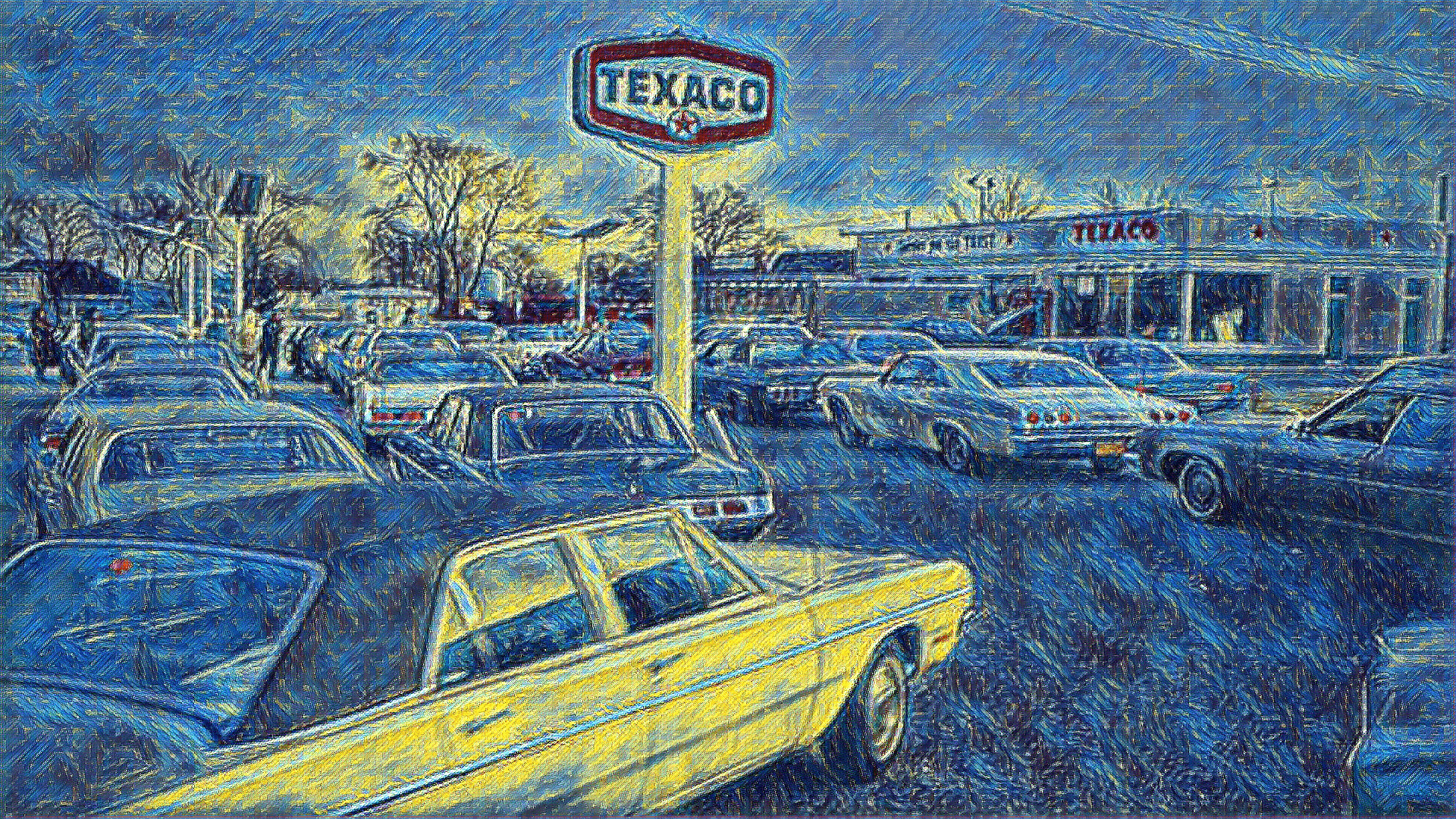
Recent tensions have pushed oil prices higher, with Brent crude around $99.78 per barrel and WTI at $94.42, though still below the peaks seen after Russia's invasion of Ukraine in 2022. This spike evokes memories of the 1973 OPEC oil crisis, which led to a severe market downturn and a lost decade for equities.

Key Differences from the 1970s

Several factors distinguish the current situation from the 1970s:

  • The U.S. is now the world's largest oil producer and a top exporter, reducing vulnerability to Middle East supply constraints.
  • The U.S. dollar has strengthened, which typically pressures gold prices lower, unlike in the 1970s when a weaker dollar boosted gold.
  • Markets have not yet experienced a "brutal" crash akin to the 1970s, which preceded small-cap outperformance.
Ad slot

Gold and Small-Cap Performance Lessons

In the 1970s, gold surged due to inflation and a weak dollar, but this time, the strong dollar has dampened gold's appeal. Small-cap stocks excelled from 1975 to 1977 after the market crash, but experts caution that expecting similar outperformance now assumes a recovery phase from a crash that hasn't occurred.

Expert Insights on Market Shifts

Charles-Henry Monchau, CIO at Syz Group, notes that while this isn't the 1970s, it could mark a significant regime shift from paper assets to hard assets like energy, copper, steel, and critical minerals. Julian Howard of Gam highlights that an oil price spike benefits the U.S. economy's terms of trade and strengthens the dollar, further weighing on gold.

Current Oil Market Status

As of the latest data, Brent futures were down 0.7% at $99.78 per barrel, and WTI crude fell 1.3% to $94.42, reflecting market volatility but remaining below historical highs.

Ad slot