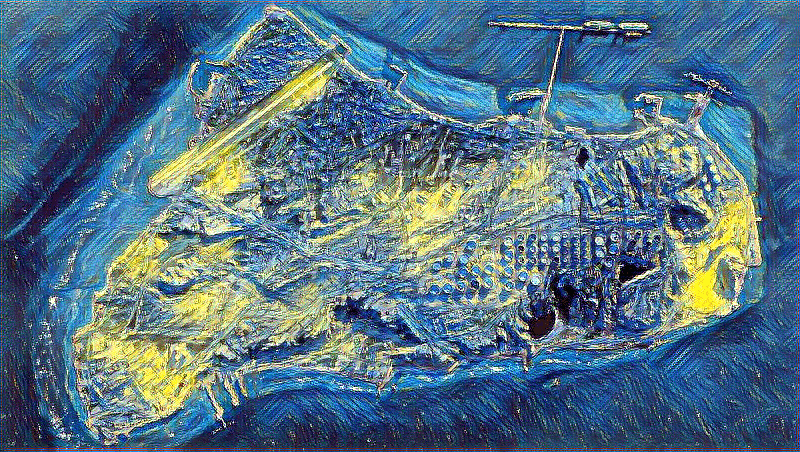
As the United States deploys thousands of troops to the Middle East, attention is focused on seven Iranian islands that form a strategic arch in the Strait of Hormuz, a chokepoint for global oil shipments. These islands are central to Iran's defense strategy and could be key targets for US forces seeking to secure the waterway.
The Seven Strategic Islands
- Abu Musa
- Greater Tunb
- Lesser Tunb
- Hengam
- Qeshm
- Larak
- Hormuz
Iran's 'Arch Defense' Strategy
Research from Sun Yat-sen University describes these islands as forming an "arch defense" that grants Iran strategic superiority in controlling the strait. Large warships and tankers are forced to pass near Abu Musa, Greater Tunb, and Lesser Tunb, making them vulnerable to attacks from IRGC fast-attack boats, mines, or drones. Iran refers to them as "stationary and unsinkable aircraft carriers." The IRGC reinforced its presence on Abu Musa, Greater Tunb, and Lesser Tunb last year, with navy commander Rear Adm. Alireza Tangsiri stating capabilities to strike enemy assets; Tangsiri has since been killed in an Israeli operation.
US Military Movements and Plans
The US is sending approximately 4,000 Marines from two Marine Expeditionary Units and 1,000 troops from the 82nd Airborne Division. President Trump extended a deadline for strikes on Iran's energy infrastructure to April 6, but military operations continue without pause. Analysts suggest assaults could require overwhelming force, such as two MEUs.
Assault Scenarios and Challenges
US forces could assault the islands via:
- Sea: Using landing craft like LCACs, but naval vessels must navigate past defenses on other islands (e.g., Hormuz, Larak) and the mainland.
- Air: Paratroopers from the 82nd Airborne or Osprey aircraft, but these are vulnerable to air defenses.
Assaults could take two days to two weeks, with occupation requiring 1,800 to 2,000 troops to prevent Iranian recapture. Troops would face risks from drone, missile, and artillery attacks from the Iranian mainland.
Geopolitical Complications with UAE
The islands of Abu Musa, Greater Tunb, and Lesser Tunb are disputed by the UAE, which claims Iran seized them illegally in 1971. US seizure could anger the UAE or undermine a new Iranian regime, creating a political dilemma for Washington regarding post-conflict control.
Expert Warnings and Analysis
The Soufan Center warns that controlling these territories could lead to a longer-term, unpopular engagement with escalating casualties. Analysts emphasize that all options have high costs and risks, with no perfect solutions, as every action has unintended consequences on regional stability and postwar recovery.