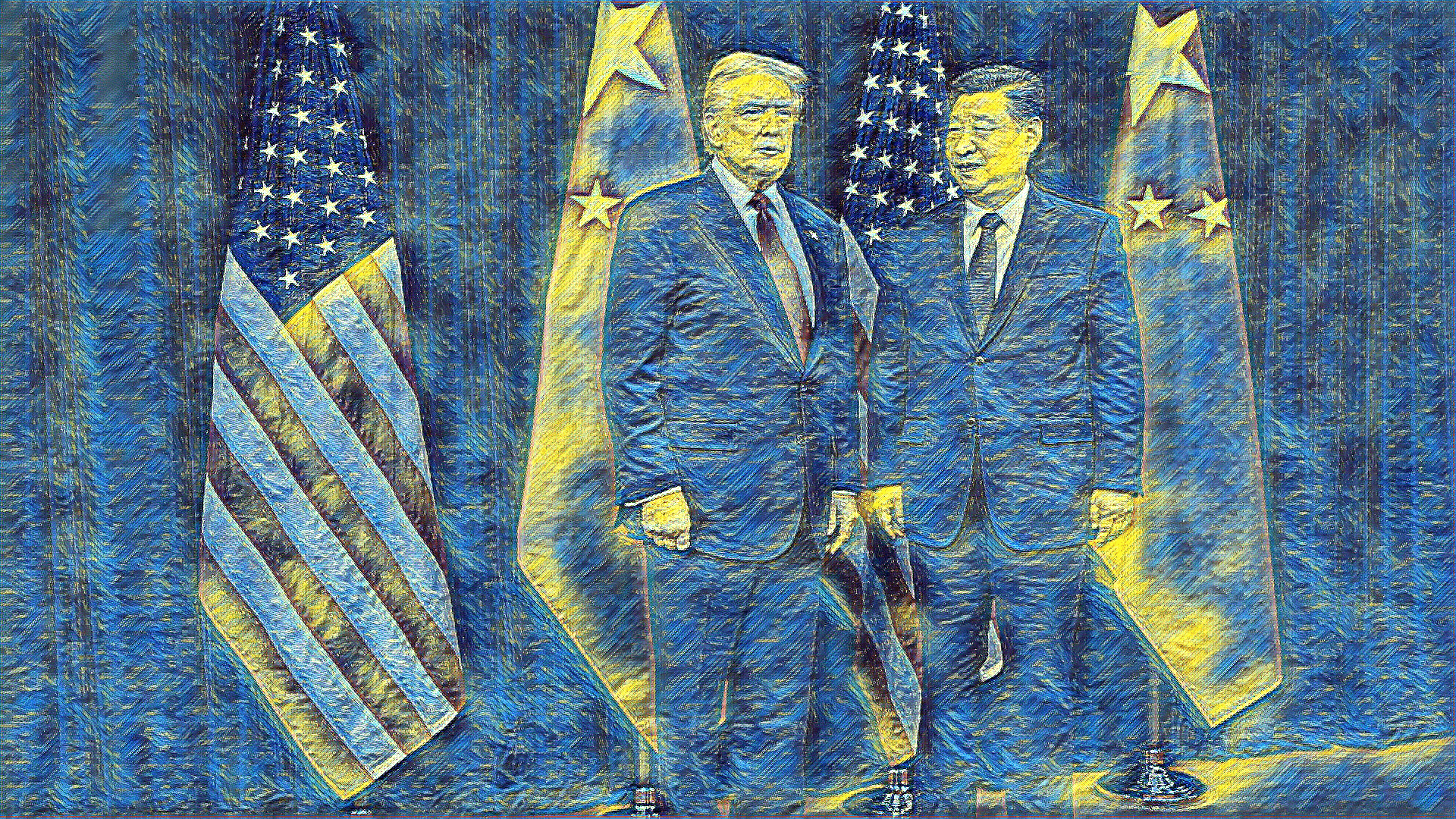
The U.S. has initiated Section 301 trade investigations targeting China, just weeks before a scheduled summit in Beijing, amid concerns over unfair trade practices and a shifting geopolitical landscape.
Section 301 Probes Aimed at China
- The investigations, conducted under Section 301 of the Trade Act of 1974, focus on identifying unfair trade practices such as structural excess capacity and forced labor in manufacturing.
- While the probes involve multiple trading partners, China is the primary target due to documented issues like overcapacity.
- Experts note that this move is part of an effort to establish a credible tariff threat for upcoming negotiations.
Context of Weakened U.S. Negotiating Position
- The probes follow a U.S. Supreme Court decision that struck down Trump's "reciprocal" tariffs, limiting his unilateral tariff authority.
- This ruling has reduced U.S. leverage ahead of the summit, prompting the administration to use other tools like Section 301.
- According to Lynn Song of ING Bank, tariffs remain a key pressure tool for Trump in negotiations.
China's Strong Export Performance
- Despite international criticism, China's exports surged by 21.8% in the first two months of the year compared to last year.
- This led to a record trade surplus of $213.6 billion, highlighting China's economic resilience.
- The export boom underscores the challenges in rebalancing global trade dynamics.
Implications for the Beijing Summit
- The trade probes add uncertainty to the diplomatic backdrop and a fragile trade truce between the U.S. and China.
- With widening gaps in agendas, the summit faces increased complexity in achieving substantive agreements.
- Analysts suggest the U.S. is maximizing leverage before the meeting, a standard tactic in such negotiations.