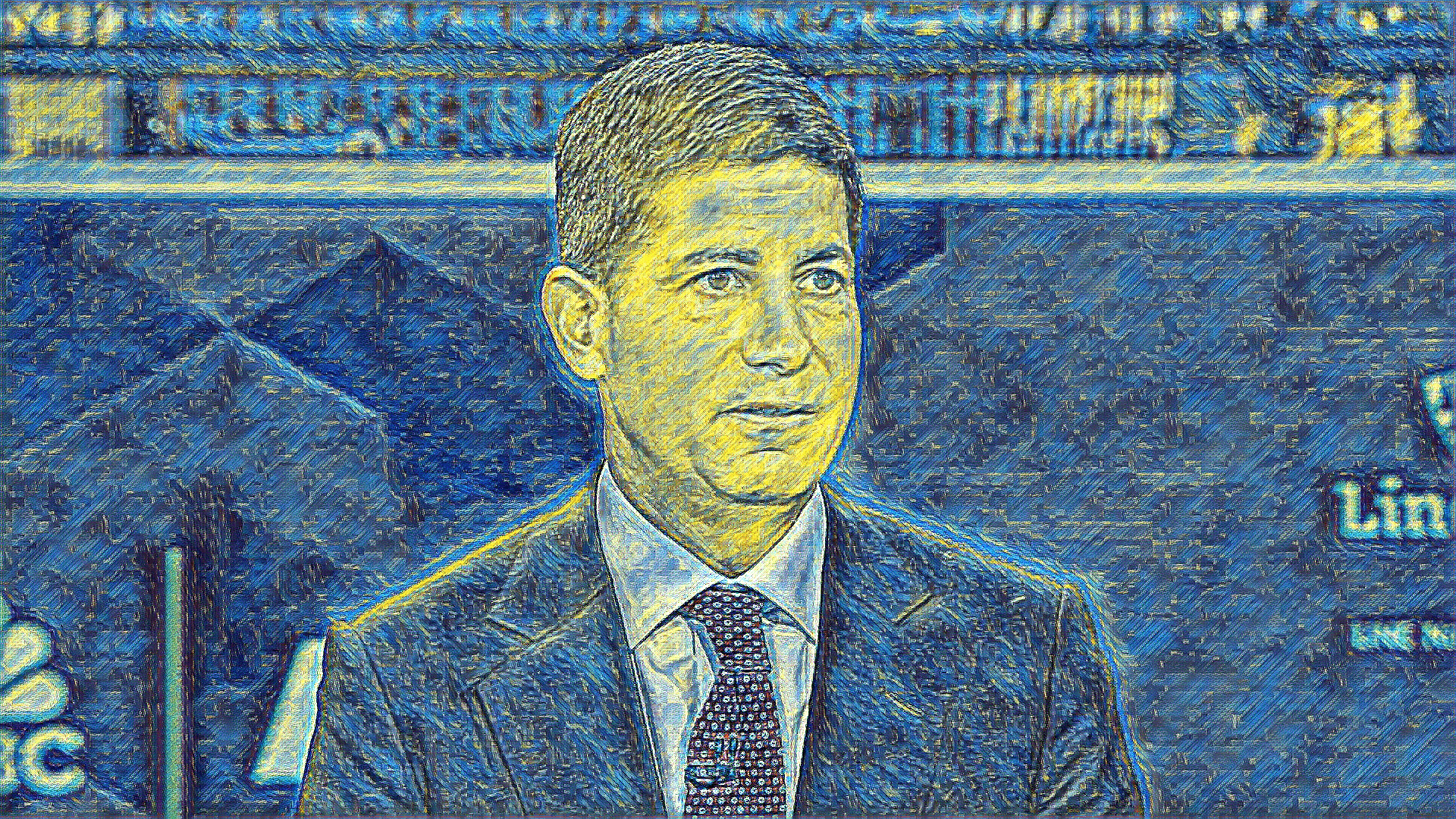
Kevin Warsh, set to become Federal Reserve chair in May 2025, confronts a daunting economic landscape characterized by persistent inflation and a fragile labor market, raising stagflation concerns.
Warsh's Incoming Leadership
Kevin Warsh, a former governor of the U.S. Federal Reserve, is scheduled to assume the role of Fed chair in May 2025. His tenure begins amid heightened economic uncertainty.
The Fed's Dual Mandate Dilemma
The Federal Reserve is tasked with pursuing both stable prices and full employment. Policymakers generally have three options:
- Raise interest rates to combat inflation by dampening demand.
- Lower rates to support economic growth and hiring.
- Maintain current rates to balance the dual objectives.
Stagflation Risks and Energy Shocks
Current conditions indicate Warsh will face:
- Sticky inflation, especially in manufacturing and goods sectors.
- A weakening labor market, with early signs of consumer stress.
- Surging energy prices from the Iran conflict, which briefly lifted U.S. crude oil above $100 per barrel before retreating after President Trump's conflict resolution assurances.
Expert Warnings and High Stakes
Troy Ludtka, senior U.S. economist at SMBC Nikko Securities, warns of a "perfect storm" with severe stagflationary pressures. He notes that the Fed may need to prioritize one mandate over the other, risking both. This underscores the significant challenges awaiting Warsh as central bank leader.