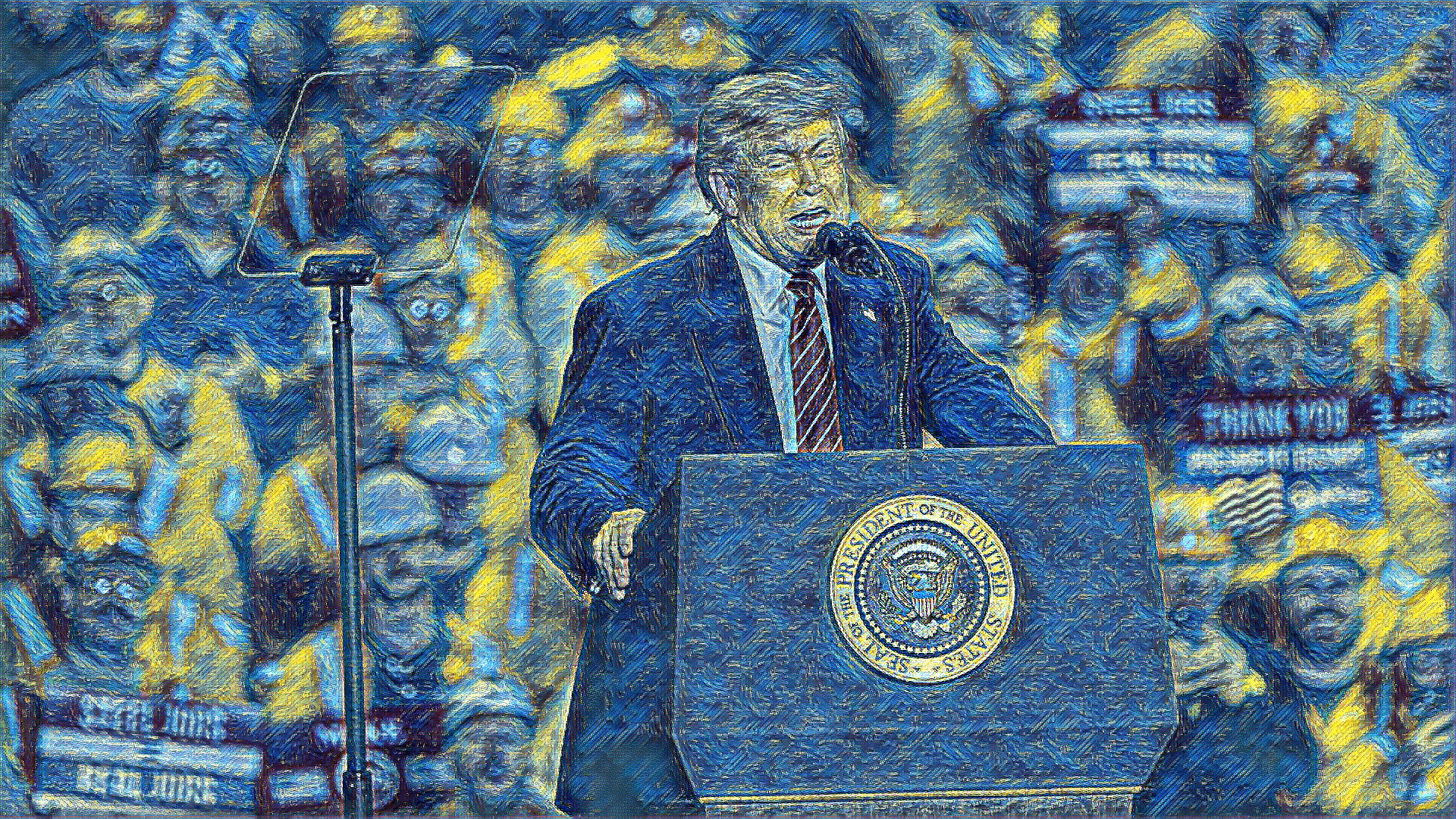
The U.S. Trade Representative has launched Section 301 investigations into 16 countries over manufacturing excess capacity, a move seen as an effort to revive tariffs after a Supreme Court ruling blocked Trump's reciprocal duties.
What Are Section 301 Investigations?
Section 301 of the Trade Act of 1974 allows the U.S. to investigate foreign trading practices that burden or restrict U.S. commerce. The Office of the United States Trade Representative (USTR) announced probes targeting 16 economies, including:
- China
- Mexico
- European Union
- Singapore
- Switzerland
- India
- Norway These investigations assess whether acts, policies, or practices are unreasonable or discriminatory and determine appropriate responses.
Why the U.S. Launched New Probes
The probes follow the U.S. Supreme Court ruling that declared Trump's 'reciprocal' tariffs unlawful. After imposing temporary 10% tariffs under Section 122, the administration seeks a permanent solution via Section 301. The focus is on 'structural excess capacity and production in manufacturing sectors,' which the U.S. claims harms domestic manufacturers and exacerbates trade deficits. USTR's Jamieson Greer emphasized, 'The United States will no longer sacrifice its industrial base to other countries that may be exporting their problems with excess capacity and production to us.'
What Happens Next?
- Consultations with investigated economies will commence.
- A public hearing starts on May 5.
- If violations are found, the USTR can impose:
- New tariffs
- Fees on services
- Other import restrictions
- Or negotiate deals to cease conduct or compensate the U.S.
- Actions must be equivalent to the burden on U.S. commerce.
- Another probe into goods made with forced labor is anticipated.
International and Expert Reactions
- China and the EU warn that the probes could risk existing trade agreements.
- Analysts question the timing, given the U.S. focus on the military operation in Iran.
- John Woods, Asia chief investment officer at Lombard Odier, told CNBC, 'The timing is curious. You would think that the U.S. administration has got its hands full right now, but apparently not.'