BN
|

BriefNews — World News, Updated Every Minute

Pancreatic Cancer Breakthrough: RevMed's Daraxonrasib Drug Shows Major Survival Gains
Health

Pancreatic Cancer Breakthrough: RevMed's Daraxonrasib Drug Shows Major Survival Gains

Revolution Medicines announced highly positive results from a Phase 3 clinical trial for its drug, daraxonrasib, targeting pancreatic cancer. The trial data showed that daraxonrasib significantly extended overall survival, allowing patients to live an average of 13.2 months, compared to 6.7 months when receiving standard chemotherapy. The drug functions by targeting RAS mutations, which are responsible for tumor growth in about 90% of pancreatic cancer cases. The company plans to seek FDA approval for second-line treatment and highlighted the drug's potential to usher in a new era of targeted therapies for this aggressive cancer. Following the announcement, the company's stock saw a jump of over 30%.


Ad slot
Oil Price Spike: How Energy Costs and AI Could Temper Inflation
Markets

Oil Price Spike: How Energy Costs and AI Could Temper Inflation

Oil prices surged above $100 a barrel following geopolitical instability in the Middle East, reigniting global concerns about energy-driven inflation. Despite the immediate volatility, financial experts suggest that the long-term economic impact of the energy shock may be disinflationary. According to Will Hobbs, the higher energy costs are expected to curb consumer spending, thereby easing broader price pressures. Furthermore, the increasing development and adoption of Generative AI are anticipated to be a major disinflationary force. This technological advancement is expected to drive significant productivity gains, supporting a more stable growth environment for developed economies.

US Navy Targets Iran Ports and Mines in Strait of Hormuz
World

US Navy Targets Iran Ports and Mines in Strait of Hormuz

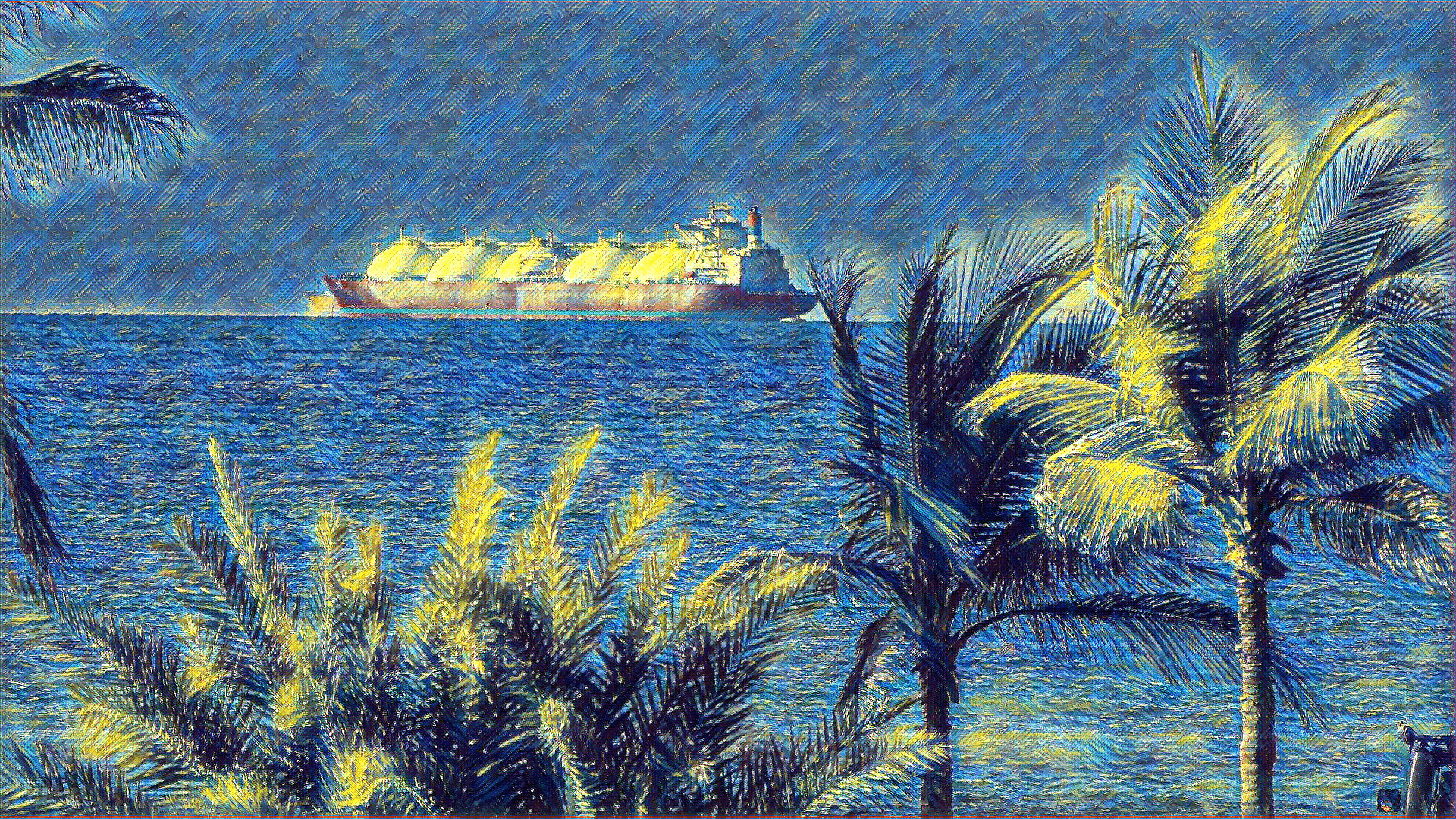
The U.S. Navy is preparing for complex strategic operations targeting Iran's ports and the Strait of Hormuz. These missions are designed to maximize economic pressure on Iran by disrupting its global energy trade revenue. The proposed blockade, which could extend to international waters, faces legal hurdles, leading experts to suggest that selective interference under 'prize law' may be the more likely method than a full blockade. Operationally, the mission requires overwhelming maritime superiority, as Iran retains the ability to deploy sophisticated countermeasures, including various types of mines. Furthermore, clearing the strait of mines is highly complex, requiring advanced techniques like sonar detection and specialized vessels, and analysts warn that the U.S. will likely need significant support from international allies to achieve a thorough clearance.

Musk, DOGE, and the Legal Fight Over Federal Agency Oversight
Politics

Musk, DOGE, and the Legal Fight Over Federal Agency Oversight

Legal challenges are mounting against the Department of Government Efficiency (DOGE) regarding its role in restructuring and dismantling federal agencies like USAID, EPA, and HUD. Plaintiffs allege that these actions violated constitutional principles and caused significant disruption to public services. A central point of contention is the effort to compel Elon Musk to testify about his involvement in these cuts. However, legal proceedings have been hampered by procedural roadblocks, including Musk's difficulty to locate for service of process and the DOJ's arguments that senior officials are protected from depositions. The legal stalemate continues to raise fundamental questions about the scope of power exercised by private figures within the federal government and the mechanisms for holding them accountable.

UK, France Plan Talks on Hormuz as Nations Reject US Iran Blockade
World

UK, France Plan Talks on Hormuz as Nations Reject US Iran Blockade

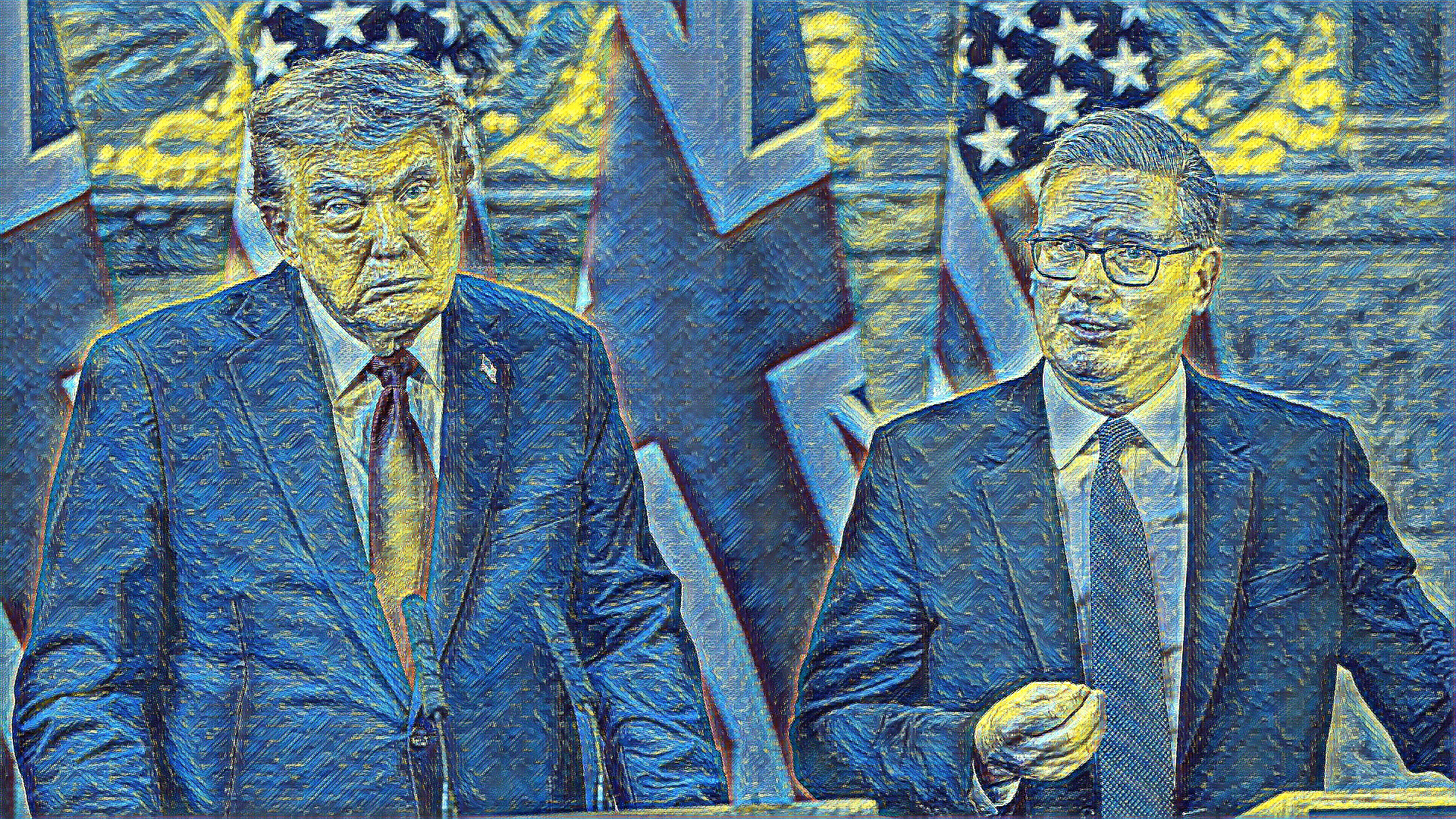
Following failed diplomatic talks between Washington and Tehran, U.S. President Donald Trump announced a blockade targeting vessels entering or exiting Iranian ports. In response, British Prime Minister Keir Starmer publicly stated that the UK will not support the blockade, emphasizing the nation's desire to avoid regional conflict. Simultaneously, French President Emmanuel Macron confirmed that France and the UK plan to co-host a multinational conference focused on restoring freedom of navigation in the Strait of Hormuz. This initiative is framed as a strictly defensive and peaceful mission, separate from the warring parties. Furthermore, major economies like Germany have signaled their non-participation in the blockade, reflecting a broader European reluctance to escalate the geopolitical tensions in the Middle East.

Section 702 Surveillance Law Faces Lapse Amid US-Iran Tensions
Politics

Section 702 Surveillance Law Faces Lapse Amid US-Iran Tensions

National security officials are urgently lobbying for the reauthorization of Section 702 of the Foreign Intelligence Surveillance Act (FISA) before its expiration on April 20th. The law allows U.S. agencies to collect foreign intelligence, a capability deemed critical for counter-terrorism and national security, especially amid heightened tensions with Iran. Communications carriers have warned that they will halt data collection if the law lapses due to potential legal liabilities. White House advisors and the CIA are leading a bipartisan effort to secure an 18-month renewal. However, the effort faces significant political resistance. Civil liberties groups argue the law infringes on privacy, while some lawmakers demand specific reforms, highlighting deep divisions over the scope and oversight of government surveillance powers.

Senate Housing Bill Targets Investors, But Experts Question Affordability Impact
Markets

Senate Housing Bill Targets Investors, But Experts Question Affordability Impact

The Senate passed Bill 89-10, a bipartisan effort aimed at improving housing affordability by restricting large institutional investors from buying single-family homes. While proponents argue this will spur construction and lower costs, many economists caution that the ban may not solve the core affordability crisis. Critics point out that macro factors, such as record-low interest rates and chronic housing supply shortages, are the primary drivers of high prices. Furthermore, they argue the ban could reduce single-family rental options, disproportionately affecting renters. In related developments, regulatory bodies have taken action, with the DOJ and FTC settling cases against major rental platforms for alleged unfair pricing and fee practices. Meanwhile, large investors are already reducing their purchases, leading to a noticeable increase in investor-owned homes hitting the market.

OpenAI Opens Major London Hub After Halting UK AI Project
Tech

OpenAI Opens Major London Hub After Halting UK AI Project

OpenAI has announced the opening of its first permanent, large-scale office in London, securing a new facility spanning 88,500 square feet. This expansion is positioned to accommodate over 500 employees, solidifying London's role as the company's largest research hub outside the United States. The move follows the company's decision to halt a major AI infrastructure project previously planned in the UK. OpenAI emphasized that the decision is based on the UK's deep talent pool and strong track record in artificial intelligence. Currently, the firm maintains about 200 employees in the London office.

Treasury Yields Rise Amid Iran Talks Collapse, Clouding Inflation Outlook
Markets

Treasury Yields Rise Amid Iran Talks Collapse, Clouding Inflation Outlook

U.S. Treasury yields rose on Monday, primarily due to the collapse of negotiations between Iran and the U.S., which has increased geopolitical risk. The market is reacting to heightened concerns regarding potential blockades of the Strait of Hormuz, a critical global shipping route. Economically, investors are digesting recent CPI data, which showed core prices rising less than feared despite high energy costs. Attention is now focused on the upcoming March industrial production data, which is expected to reveal the impact of rising oil prices on U.S. industry. The combination of geopolitical uncertainty and inflation data is causing significant volatility in bond yields.

Trump's Tariff Playbook vs. Iran: Why Blockade Threats Are Failing
World

Trump's Tariff Playbook vs. Iran: Why Blockade Threats Are Failing

Former President Donald Trump has escalated tensions by threatening a blockade of the Strait of Hormuz, a vital global waterway responsible for transporting 20% of the world's crude oil. This strategy echoes previous maximalist economic threats, such as those directed at China. However, the article argues that these threats are proving ineffective because Iran is successfully maintaining significant economic leverage through its control of the strait. The market reacted instantly to the blockade threat, causing a sharp surge in oil prices, which analysts warn could trigger widespread inflation and higher costs for American consumers. Ultimately, Iran's continued ability to sell oil and maintain its economic position suggests it is unwilling to yield to external pressure.

Trump Threatens 50% Tariffs on China Over Alleged Iran Arms Shipments
World

Trump Threatens 50% Tariffs on China Over Alleged Iran Arms Shipments

Former President Donald Trump threatened to impose a 50% tariff on China following reports that Beijing was preparing to ship air defense systems, such as MANPADS, to Iran. These comments heightened geopolitical tensions, linking potential arms transfers to severe economic penalties. Meanwhile, China has been noted for its active diplomatic efforts to promote peace talks between the U.S. and Iran. Experts suggest that China's support for Tehran is primarily driven by critical economic interests, particularly its reliance on seaborne exports and the stability of the Strait of Hormuz. The article emphasizes that the reports regarding military shipments and the tariff threats remain unverified, while China continues to navigate its role as a key economic partner to Iran.

South Korea President Angers Israel Over Human Rights Claims and Holocaust Comparison
Politics

South Korea President Angers Israel Over Human Rights Claims and Holocaust Comparison

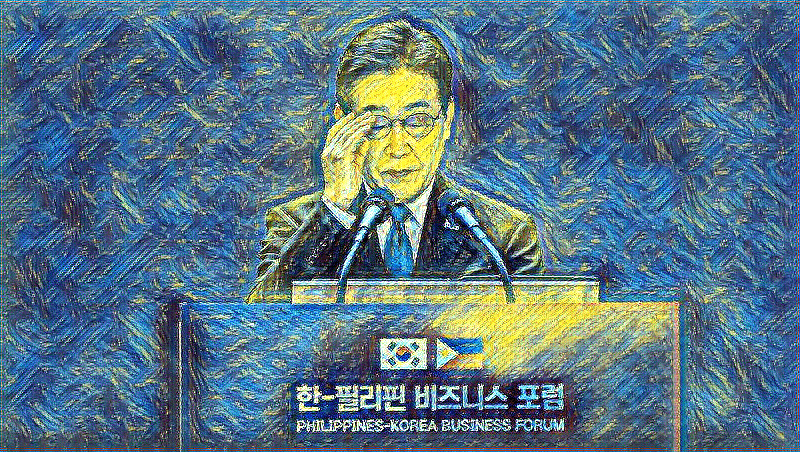
South Korean President Lee Jae Myung ignited a diplomatic dispute with Israel after posting a video alleging misconduct by Israeli soldiers in the occupied West Bank. In his post, Lee drew comparisons between wartime killings, the Holocaust, and historical sexual slavery, a reference that drew immediate and strong condemnation from the Israeli Foreign Ministry. Israel labeled the remarks as “unacceptable,” specifically criticizing the perceived trivialization of the Holocaust. While the South Korean Foreign Ministry later intervened to de-escalate the situation, arguing that the President’s comments reflected universal human rights convictions, President Lee continued to emphasize the importance of international humanitarian law and national sovereignty. The incident highlights ongoing international tensions surrounding the conflict in the West Bank.

Trump's Hormuz Blockade Threat: Risks Deepening Global Energy Crisis
World

Trump's Hormuz Blockade Threat: Risks Deepening Global Energy Crisis

President Donald Trump announced a naval blockade targeting vessels entering or departing Iranian ports in the Strait of Hormuz. This action escalated regional tensions after negotiations between the U.S. and Iran failed to reach an agreement on Iran's nuclear program and waterway control. The immediate halt of tanker traffic caused crude oil futures (WTI and Brent) to jump sharply, signaling a major energy shock. Analysts warn that the blockade threatens global supply chains beyond oil, including fertilizers and industrial goods. Furthermore, the move risks drawing China into the conflict and could lead to a dangerous military escalation.

Trump, Iran Blockade, and Pope: Global Headlines of the Week
World

Trump, Iran Blockade, and Pope: Global Headlines of the Week

Global markets faced significant volatility following a confluence of geopolitical and political events. The primary driver of market concern was the announcement of a U.S. blockade on Iranian ports, which caused crude oil futures, including Brent and WTI, to surge by over 8%. On the political front, U.S. President Donald Trump criticized Pope Leo XIV via Truth Social over the Vatican's criticism of the U.S. war in Iran. Separately, in Hungary, nationalist leader Viktor Orbán conceded defeat to the opposition Tisza party, marking a significant political setback for his allies. These developments contributed to a generally weaker trading session across Asia-Pacific markets.

Oil Surge and Geopolitical Risk: Are Markets Past Peak Fear?
Markets

Oil Surge and Geopolitical Risk: Are Markets Past Peak Fear?

Financial markets are currently navigating a complex environment, balancing elevated geopolitical risk with growing expectations of de-escalation. Following threats to blockade the Strait of Hormuz, crude oil prices surged, bond yields rose, and the U.S. dollar strengthened. However, investment strategists suggest that the initial phase of panic selling has passed, indicating that investors are now pricing in the geopolitical risks. While the market shows signs of resilience, near-term volatility is tied to the political timeline, particularly Congressional actions regarding potential U.S. military intervention. Experts predict that oil prices are likely to retreat as tensions ease, suggesting that equities may recover if the conflict de-escalates.

European Stocks Face Decline Amid Fears of Hormuz Blockade After Iran Talks Fail
World

European Stocks Face Decline Amid Fears of Hormuz Blockade After Iran Talks Fail

European stock markets are predicted to start the week on a negative note, driven by escalating geopolitical tensions in the Middle East. The primary concern stems from the failure of peace negotiations between the United States and Iran. In response, Donald Trump announced plans to blockade the Strait of Hormuz, a critical global shipping lane, fueling fears of a prolonged conflict and causing crude oil prices to rise. Major European indices, including the FTSE, DAX, and CAC 40, are all expected to decline. Additionally, investors are keeping a close watch on Hungary, where Viktor Orban recently conceded defeat to Peter Magyar's opposition party.

BP Faces Investor Pressure Over Climate Governance Ahead of Annual Meeting
Business

BP Faces Investor Pressure Over Climate Governance Ahead of Annual Meeting

BP is facing significant pressure from institutional investors and pension funds ahead of its annual general meeting (AGM), primarily concerning corporate governance and climate transparency. Major advisory groups, including Glass Lewis and ISS, have recommended that shareholders vote against several board-supported resolutions. The conflict centers on BP's strategy to pivot back to its core oil and gas business, prompting the company to seek the retirement of climate-related reporting resolutions. BP argues that these resolutions are outdated and duplicative of existing industry disclosures, aiming for a simpler, more valuable corporate structure. Conversely, activist groups and investors argue that this move is an attempt to limit shareholder influence and reduce accountability regarding the company's long-term climate commitments. The debate underscores the growing tension between traditional energy business models and global demands for climate responsibility.

Trump's Hormuz Blockade Threat: Impact on India Amid Iran Tensions
World

Trump's Hormuz Blockade Threat: Impact on India Amid Iran Tensions

Tensions surrounding the Strait of Hormuz have raised deep concerns for India, a nation highly dependent on Middle Eastern energy supplies. The potential blockade threat from the US, coupled with existing restrictions by Iran, risks triggering a major energy crisis for India's economy. While India has been granted safe passage through the strait, a full blockade could strand vessels and deepen the country's involvement in regional conflicts. Domestically, the energy shortage has forced New Delhi to prioritize household gas supplies over commercial use. This has resulted in economic strain, impacting businesses and forcing many low-income migrant workers to return to their villages.

Trump's Hormuz Blockade Threatens Global Oil Markets and Economy
World

Trump's Hormuz Blockade Threatens Global Oil Markets and Economy

Following the failure of US-Iran peace talks, President Donald Trump announced plans to impose a blockade on the Strait of Hormuz, a crucial global oil chokepoint. The stated goal of the blockade is to disrupt Iran's oil revenues and force a concession from Tehran. The announcement immediately caused a sharp spike in global oil prices, raising fears of widespread economic instability and inflationary pressures. Geopolitical experts warn that the blockade carries significant risks, including potential diplomatic confrontations with major powers like China and straining relationships with key allies in Europe and Asia. The move is viewed by critics as a high-stakes attempt to resolve a complex conflict, but one that could lead to severe economic and military escalation.

Trump Attacks Pope Leo XIV Over Criticism of U.S. Iran Policy
Politics

Trump Attacks Pope Leo XIV Over Criticism of U.S. Iran Policy

Former President Donald Trump publicly criticized Pope Leo XIV after the pontiff condemned the United States' military operations in Iran. The criticism followed Pope Leo XIV's participation in Holy Week celebrations at St. Peter's Square on April 5, 2026. On Truth Social, Trump expressed his displeasure, stating he does not want a Pope who criticizes the actions of the U.S. President. Furthermore, Trump questioned the motives behind the Pope's appointment, suggesting the Church placed him there specifically to manage him due to his American background. The exchange marks a notable public dispute between a major religious leader and a prominent American political figure regarding U.S. foreign policy.

Eric Swalwell Withdraws from CA Governor's Race Amid Sexual Misconduct Allegations
Politics

Eric Swalwell Withdraws from CA Governor's Race Amid Sexual Misconduct Allegations

Representative Eric Swalwell has withdrawn from the California gubernatorial race following the emergence of serious allegations of sexual misconduct. The scandal intensified after CNN and the San Francisco Chronicle published reports detailing accusations from four women, ranging from inappropriate messages to unwanted physical contact, and including a claim of rape. Swalwell denied the most serious allegations while apologizing for past 'mistakes in judgment.' The political fallout was immediate, leading to the collapse of his campaign and the withdrawal of support from key allies. Furthermore, multiple Democratic colleagues publicly called on Swalwell to resign from his congressional seat, adding to the political turmoil.

US Blockade Threat Spurs Oil Surge; Asia Markets Brace for Mixed Open
World

US Blockade Threat Spurs Oil Surge; Asia Markets Brace for Mixed Open

Following the collapse of negotiations between the United States and Iran, geopolitical tensions have escalated, leading to fears of a U.S. naval blockade on Iranian ports. This instability has caused crude oil prices to surge sharply, with WTI jumping 8.65% and Brent gaining 8.4%. Consequently, Asia-Pacific markets are anticipated to open with mixed and volatile movements. Investors are closely monitoring the situation as they weigh the risks posed by the escalating regional conflict and the resulting energy price volatility.

Péter Magyar Challenges Viktor Orbán: The Rise of Hungary's Opposition Leader
Politics

Péter Magyar Challenges Viktor Orbán: The Rise of Hungary's Opposition Leader

Péter Magyar, a former insider of the ruling Fidesz party, has emerged as a major political challenger to Viktor Orbán in Hungary. His rise was accelerated by a major scandal in early 2024, involving the pardon of an official convicted of abuse, which severely damaged the government's public credibility. Magyar has successfully positioned himself by focusing his campaign on domestic issues, particularly corruption and economic reform, rather than the foreign policy debates favored by Orbán. This strategy has allowed him to build a broad, anti-Orbán coalition. The political landscape is further complicated by the EU withholding significant funds from Hungary over concerns regarding democratic backsliding, adding economic pressure to the political system.

Trump Threatens Strait of Hormuz Blockade, Spiking Global Oil Prices
World

Trump Threatens Strait of Hormuz Blockade, Spiking Global Oil Prices

Global oil prices rose above $100 per barrel on Sunday following a threat from Donald Trump to blockade the Strait of Hormuz. The potential disruption to oil supplies caused international benchmarks, such as Brent Crude, to jump by 8% to around $102 per barrel. The geopolitical tension is heightened by warnings from the Islamic Revolutionary Guard Corps (IRGC), which stated that any approaching military vessels would be dealt with harshly. Economically, the threat raises concerns about sustained high energy costs, keeping gas prices elevated. The situation remains fluid, with the blockade expected to take effect on Monday, amid ongoing regional instability.