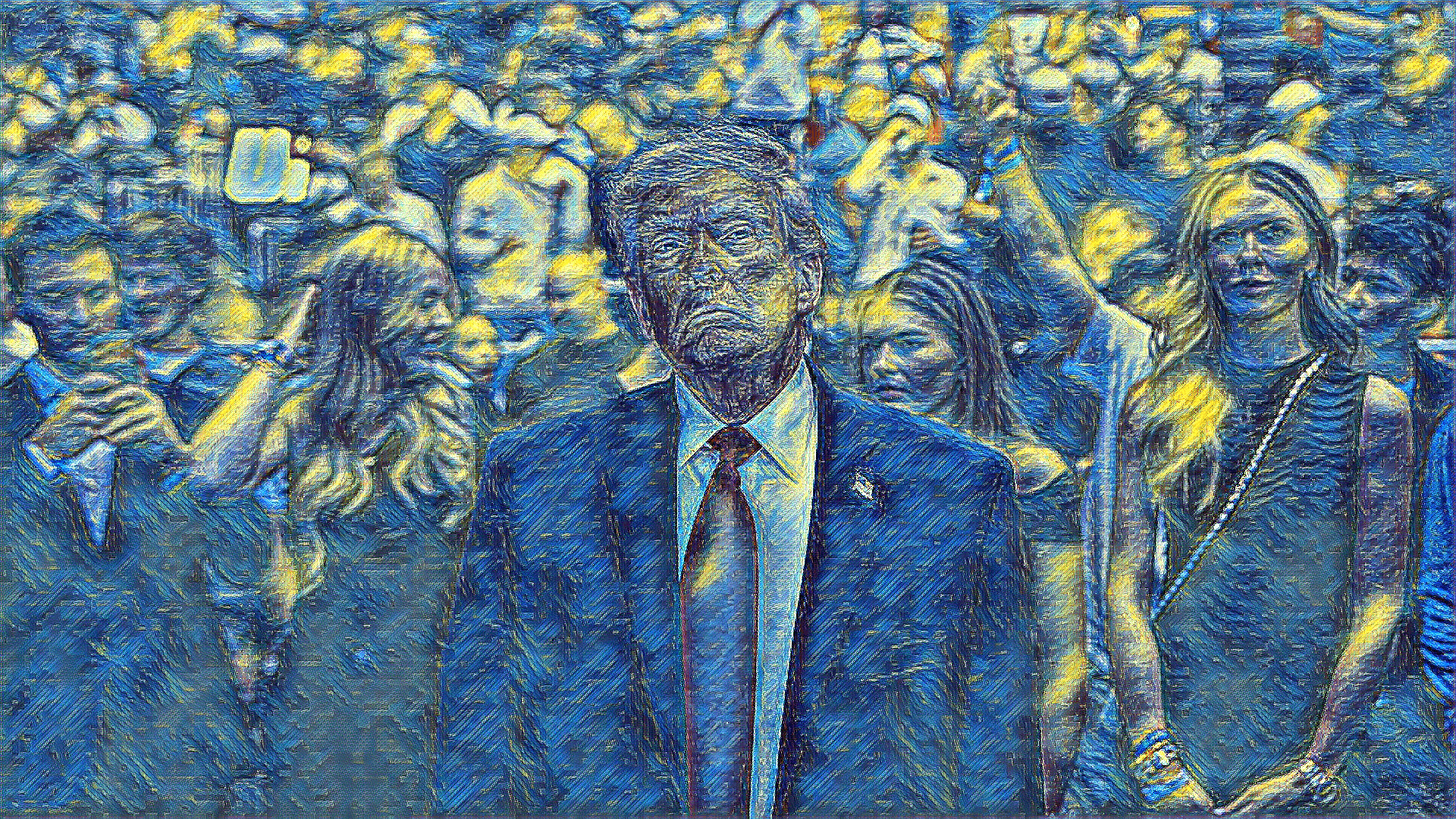
Former President Donald Trump recently threatened to impose a 50% tariff on China following reports that Beijing was preparing to ship air defense systems to Iran, escalating geopolitical tensions.
Trump's Tariff Threat and Allegations
During a televised phone call with Fox News, Donald Trump stated that if China were caught supplying military equipment to Iran, the country would face a "staggering" 50% tariff. This comment was made in the context of reports suggesting China was involved in supplying advanced weaponry.
- The Allegation: CNN reported that U.S. intelligence assessments suggested an impending Chinese shipment of Man-Portable Air Defense Systems (MANPADS)—shoulder-operated, surface-to-air missiles—to Iran.
- Trump's Response: Trump warned that such activity would trigger severe tariffs, though he also questioned the credibility of the underlying reports, stating they "don't mean much to me, because they're still fake."
China's Geopolitical Role in the Middle East
Speculation continues regarding China's involvement in the ongoing tensions between the U.S. and Iran. While China has been a key economic partner to Tehran, official accounts of military support remain unconfirmed.
- Diplomatic Efforts: Following a temporary ceasefire between the U.S. and Iran, the New York Times cited Iranian insiders reporting that China had actively pressed for a ceasefire deal. China's Foreign Ministry spokesperson, Mao Ning, confirmed that China was making "active efforts to promote peace talks and end hostilities," though she did not confirm an official mediation role.
- Expert Analysis: Analysts suggest China is selectively wielding its influence. While Beijing has been a vocal source of support, any confirmed delivery of weapons would mark a significant departure from its recent policy, potentially injecting greater uncertainty into the region.
Economic Stakes and the Strait of Hormuz
China's support for Iran is widely viewed by analysts as being motivated by critical economic and material interests, rather than a fundamental shift in foreign policy.
- Energy Dependence: Beijing's economy remains heavily reliant on seaborne exports, making it vulnerable to disruptions in key shipping lanes.
- Strategic Importance: The Strait of Hormuz is vital for global oil transit. China has been a major purchaser of Iranian oil, reportedly buying over 80% of Iran's heavily sanctioned oil exports in 2025, meeting more than 10% of China's total demand.
- Market Impact: Despite Tehran's temporary closure of the Strait of Hormuz, gasoline prices in China have still risen, prompting authorities to implement price caps to shield consumers from further fallout.