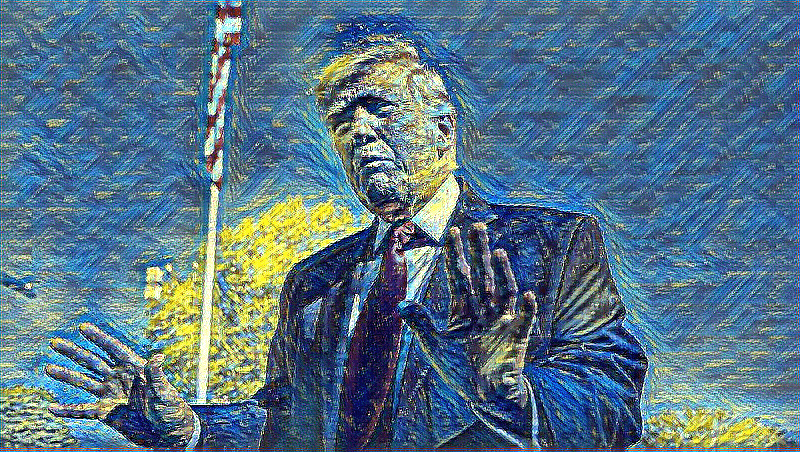
Following the collapse of US-Iran peace talks, President Donald Trump announced plans to enforce a blockade on the Strait of Hormuz, a critical global oil chokepoint, raising serious concerns about international economic stability.
Context: Failed Negotiations and Escalating Tensions
The announcement comes after marathon peace talks between the United States and Iran in Pakistan failed to yield a resolution. The US administration sought to compel Iran to concede on several demands, including abandoning nuclear enrichment and reopening the strait. However, Iran maintained its leverage, leading to a diplomatic deadlock.
- US Demands: The White House listed demands including an end to all uranium enrichment and the retrieval of highly enriched uranium material.
- Iranian Stance: Iran accused the US of inflexibility and maintained its control over the vital waterway.
The Blockade Plan and Stated Goals
President Trump announced that the US military would enforce a blockade on the Strait of Hormuz. The stated objective of this measure is to disrupt Iran’s oil revenues and economic activity. The plan is designed to frustrate Tehran’s efforts to generate income by charging fees for safe passage through the waterway.
- Implementation Details: US Central Command (CENTCOM) stated that the blockade would be enforced on all traffic entering and exiting Iranian ports. However, CENTCOM clarified that forces would not impede freedom of navigation for vessels transiting the strait to and from non-Iranian ports.
- Trump's Rationale: Trump described the action as an "all in and all out" measure, intended to exert maximum pressure on Iran.
Immediate Economic Impact and Global Concerns
The news of the proposed blockade immediately triggered a sharp reaction in global commodity markets. The price of Brent crude oil spiked, rising significantly following the announcement.
- Market Reaction: Oil prices spiked, causing immediate concern among financial analysts regarding the potential for a global economic downturn.
- Inflationary Pressure: Rising oil prices exacerbate existing inflationary pressures, which are already impacting consumer costs for fuel, food, and housing in the US and globally.
Geopolitical Risks and International Fallout
The blockade carries significant risks that extend beyond the immediate conflict between the US and Iran. Analysts point to potential diplomatic and military complications:
- Global Alliances: The move could strain relationships with key allies, such as Japan and European nations, who rely heavily on Gulf oil supplies. Furthermore, it could complicate diplomatic efforts, including the upcoming summit between the US and China.
- Escalation Risk: Critics warn that the blockade increases the risk of military escalation. The operation could make US vessels more vulnerable to Iranian attacks, potentially leading to American casualties.
- Alternative Options: Some experts suggest that the blockade may be an attempt to test Iran’s control over the waterway without committing US ground troops to high-risk missile facilities, but this strategy carries substantial geopolitical costs.