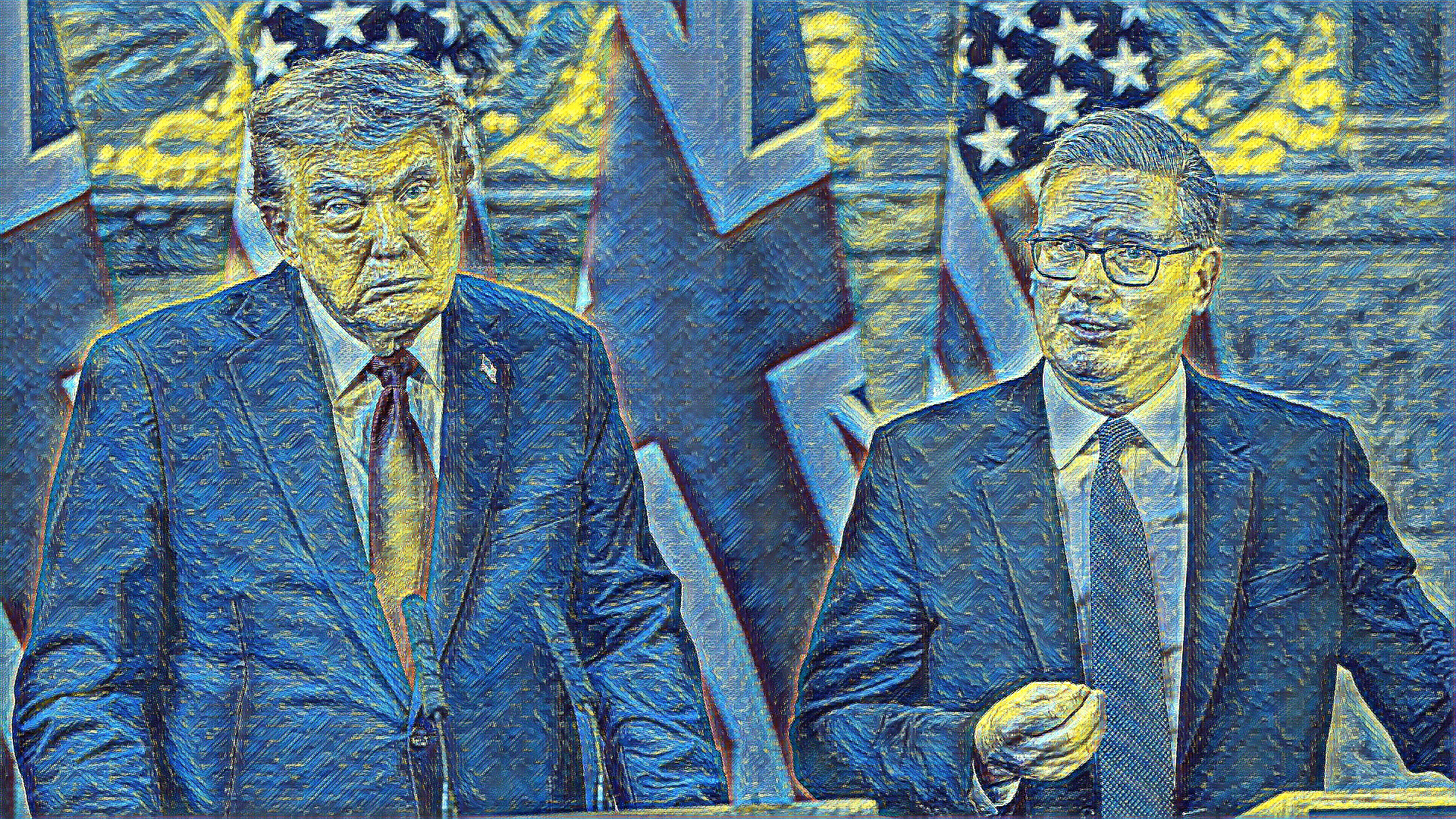
UK, France Plan Talks on Hormuz as Nations Reject US Iran Blockade
Following failed diplomatic talks between Washington and Tehran, U.S. President Donald Trump announced a blockade targeting vessels entering or exiting Iranian ports. In response, British Prime Minister Keir Starmer publicly stated that the UK will not support the blockade, emphasizing the nation's desire to avoid regional conflict. Simultaneously, French President Emmanuel Macron confirmed that France and the UK plan to co-host a multinational conference focused on restoring freedom of navigation in the Strait of Hormuz. This initiative is framed as a strictly defensive and peaceful mission, separate from the warring parties. Furthermore, major economies like Germany have signaled their non-participation in the blockade, reflecting a broader European reluctance to escalate the geopolitical tensions in the Middle East.
Ad slot
Amid escalating tensions over Iran, the UK and France are planning multinational talks to ensure freedom of navigation in the Strait of Hormuz, signaling a collective rejection of the U.S.-led blockade.
UK Rejects US Blockade of Iranian Ports
British Prime Minister Keir Starmer publicly stated that the United Kingdom will not support the planned U.S. blockade of Iranian ports. Speaking to BBC Radio 5 Live, Starmer emphasized that the UK does not wish to be drawn into regional conflict.
Starmer's statements were made following U.S. President Donald Trump's announcement that a blockade would take effect, targeting vessels entering or exiting Iranian ports. The move was announced after recent talks between Washington and Tehran failed to resolve the Middle East conflict.
UK Stance: The UK is "not supporting" the blockade.
Goal: Starmer stated the focus is on keeping the Strait of Hormuz open, not shutting it.
Capability: He confirmed that the UK possesses mine-sweeping capability, which he stated is focused on ensuring the strait remains fully open.
Ad slot
Multinational Efforts to Secure Hormuz
In response to the blockade threat, French President Emmanuel Macron confirmed that France and the UK would co-host a conference aimed at restoring freedom of navigation in the vital Strait of Hormuz. Macron stressed that the planned initiative would be strictly defensive and peaceful.
Nature of Talks: The conference is designed to create a "peaceful multinational" mission.
Exclusion: Macron emphasized that this effort would be "separate from the belligerents," indicating a diplomatic effort to remain neutral.
International Skepticism and Non-Participation
The reluctance of major European and Gulf states to participate in the blockade reflects a general wariness of escalating the conflict. These nations have previously expressed concern over involvement in what they view as a potential U.S. "war of choice."
Germany: Germany signaled its non-participation in the blockade. Government sources told CNBC that Trump's comments were "a vague statement that is not based on any new facts." Berlin has repeatedly ruled out any military involvement in the Iran conflict.
European Consensus: The general sentiment among European and Gulf states is caution, prioritizing de-escalation over supporting the blockade measures.