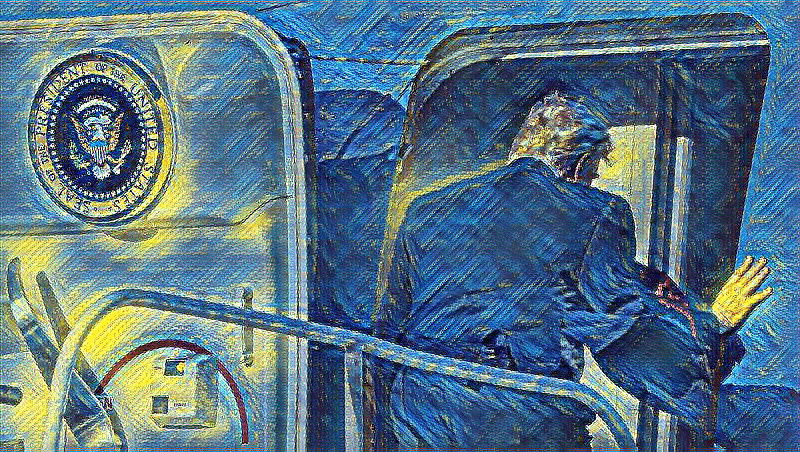
Former President Donald Trump has escalated economic and military threats against Iran, specifically targeting the Strait of Hormuz. However, analysis suggests that Iran is successfully maintaining significant economic leverage, rendering the current blockade threats ineffective.
The Escalating Threat Playbook
Trump has repeatedly employed maximalist economic threats against various global partners. Most recently, he threatened to blockade the Strait of Hormuz—a critical waterway through which approximately 20% of the world’s crude oil typically travels. This move represents a significant escalation, moving beyond traditional trade disputes into the realm of potential military conflict.
- The Threat: Trump threatened that the U.S. Navy would blockade the Strait of Hormuz if Iran failed to comply with demands.
- The Context: The strategy mirrors previous actions, such as the tariffs imposed on China, where the goal was to regain perceived American economic leverage.
Iran's Counter-Leverage and Economic Resilience
Unlike previous scenarios where trading partners eventually yielded, Iran appears to be following a model of sustained resistance. The country views control over the Strait of Hormuz as its most potent piece of leverage against external pressure.
- Iranian Stance: Iranian officials have publicly dismissed the threat of a blockade, suggesting that the economic impact of such a closure would be manageable or even beneficial to them.
- The Economic Counterpoint: Iran’s continued oil sales, estimated at roughly 2 million barrels per day, are crucial. These sales not only finance the country but also provide necessary supply to the global market, which helps stabilize oil prices.
Market Reaction and Economic Fallout
The market's response to the blockade threat was immediate and volatile, indicating that the threat itself is a powerful economic tool for Iran.
- Oil Price Surge: Brent oil futures, the international benchmark, surged significantly following the blockade announcement. Experts warn that prolonged conflict could push prices toward recent highs, potentially exceeding $120 per barrel.
- Inflationary Risks: Increased energy costs pose a direct threat to American consumers. Analysts predict that higher fuel prices will lead to increased inflation, potentially raising mortgage rates and the overall cost of living.
- Financial Implications: The instability could prompt investors to move capital out of bonds, further increasing yields and inflationary expectations.
Conclusion: Enduring Iranian Power
Despite reports of military and leadership setbacks, Iran retains substantial economic power derived from its control over the Strait of Hormuz. This economic leverage allows the nation to resist pressure and maintain its negotiating position, suggesting that the current cycle of extreme threats may not achieve the desired outcome of forcing a quick resolution.