BN
|
US-Iran Talks Stall: Deadlock Over Hormuz and Nuclear Program
World

US-Iran Talks Stall: Deadlock Over Hormuz and Nuclear Program

High-stakes negotiations between the United States and Iran in Pakistan have concluded in a deadlock, failing to resolve critical disputes over regional security. The primary sticking points included Iran's refusal to reopen the Strait of Hormuz and its unwillingness to surrender its stockpile of highly enriched uranium. Consequently, Iran's demands for the lifting of sanctions and the unfreezing of assets were not met. Following the failure of diplomacy, US officials issued strong warnings, including plans for US Navy patrols in the Strait. The impasse underscores a deep geopolitical rift between the two nations regarding energy security and nuclear proliferation, maintaining high regional tension.

Ad slot
Morgan Stanley: Middle East Easing Tensions Could Boost Chinese Stocks
Markets

Morgan Stanley: Middle East Easing Tensions Could Boost Chinese Stocks

Morgan Stanley suggests that easing geopolitical tensions in the Middle East could catalyze a rebound in Asian and Chinese stocks. The bank's analysis focused on identifying Asia Pacific companies that derive significant revenue from the Middle East and have experienced recent price declines. For China, the report recommends paying attention to the Industrials and Renewable Energy sectors, citing specific stocks like Horizon Robotics and Zoomlion Heavy Industry. While the market reacted positively to ceasefire news, the bank cautioned that the potential recovery faces headwinds from a deflationary backdrop and defensive consumer and fiscal spending outlooks.

JPMorgan, Netflix Lead Earnings Season as S&P 500 Reports Begin
Business

JPMorgan, Netflix Lead Earnings Season as S&P 500 Reports Begin

The corporate earnings season has commenced, with 27 S&P 500 companies scheduled to report results. Investors are highly focused on corporate guidance as companies navigate global economic uncertainties, including geopolitical conflicts and energy price fluctuations. Analysts project that S&P 500 first-quarter profits are expected to grow 13% year-over-year, maintaining a streak of double-digit expansion. Major financial institutions like JPMorgan Chase and Goldman Sachs are reporting early in the week, with investors scrutinizing their ability to maintain strong trading and investment banking revenues. Later in the week, Netflix is anticipated to report earnings growth of around 15%, while Morgan Stanley is expected to show bottom-line growth of roughly 15%.

USS Gerald R. Ford: Operational Strain of Record Deployment
World

USS Gerald R. Ford: Operational Strain of Record Deployment

The USS Gerald R. Ford, a key asset in US naval power, recently experienced a major fire in its laundry department while conducting operations in the Eastern Mediterranean. This incident occurred during a record-breaking, extended deployment that has taken the carrier across multiple strategic locations, including the Caribbean and the Middle East. Experts note that the combination of high-volume flight operations and prolonged deployments places immense operational strain on the ship and its crew. The article highlights that while the Ford remains indispensable for projecting US power, the sustained operational tempo raises broader questions about military readiness and the physical and psychological toll on sailors and their families. The Navy is also addressing issues of sailor burnout and retention rates across its fleet.

Cross-Strait Tensions: China Offers Taiwan Incentives After KMT Meeting
Politics

Cross-Strait Tensions: China Offers Taiwan Incentives After KMT Meeting

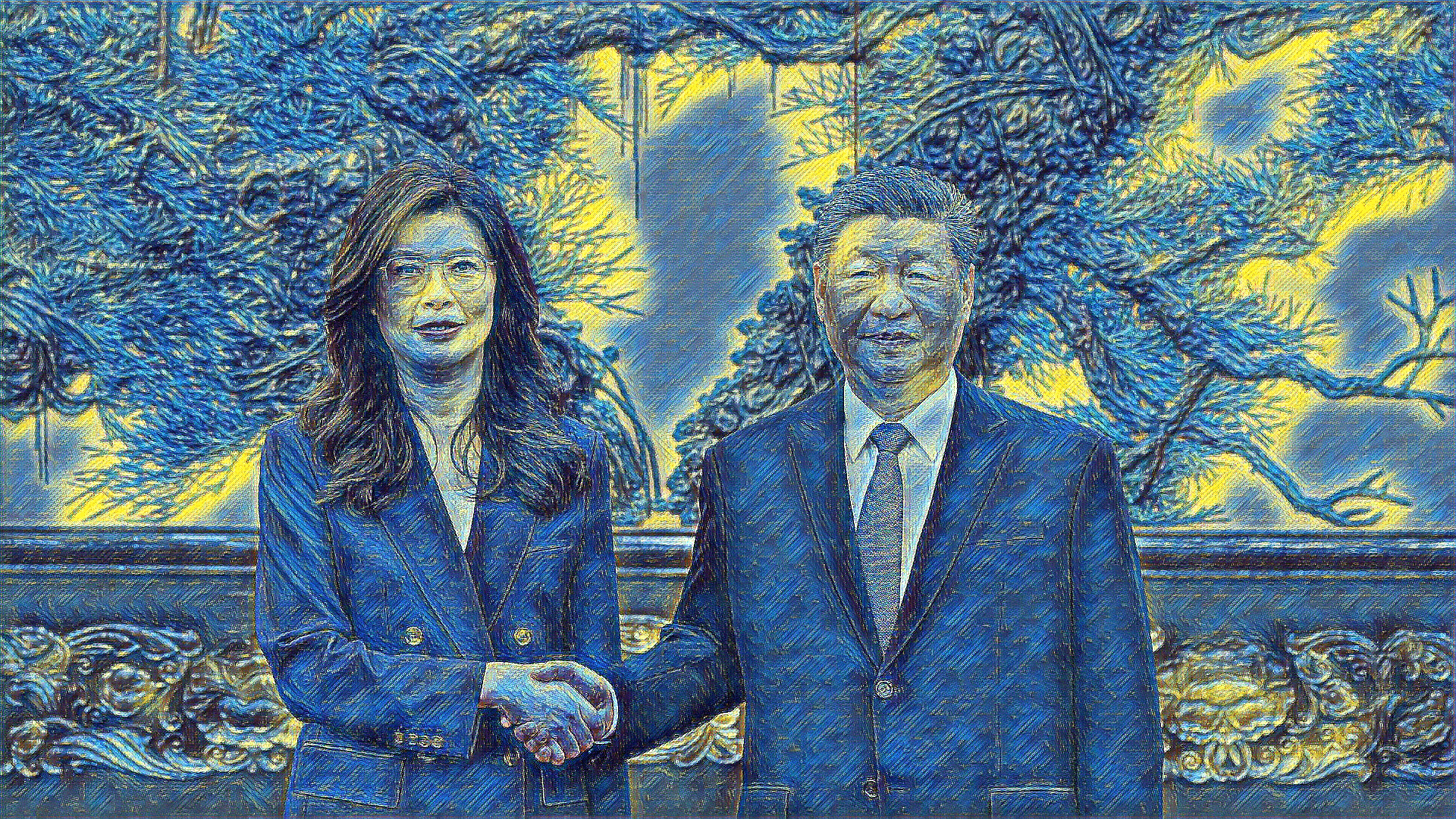
China announced 10 new incentive measures for Taiwan, including easing travel and trade restrictions, following a visit by KMT opposition leader Cheng Li-wun to Beijing. These measures, however, are reportedly conditioned on political support for opposing Taiwan's independence. While the KMT welcomed the package as a "gift," the Taiwanese government criticized the concessions as politically motivated and unilateral. The announcement comes amid persistent cross-strait tensions, as Beijing continues to refuse dialogue with Taiwan's current administration. The article highlights that mutual disputes over trade restrictions and tourism remain points of friction between the two sides.

Strait of Hormuz Reopening Won't Solve Shipping Woes and High Oil Prices
Markets

Strait of Hormuz Reopening Won't Solve Shipping Woes and High Oil Prices

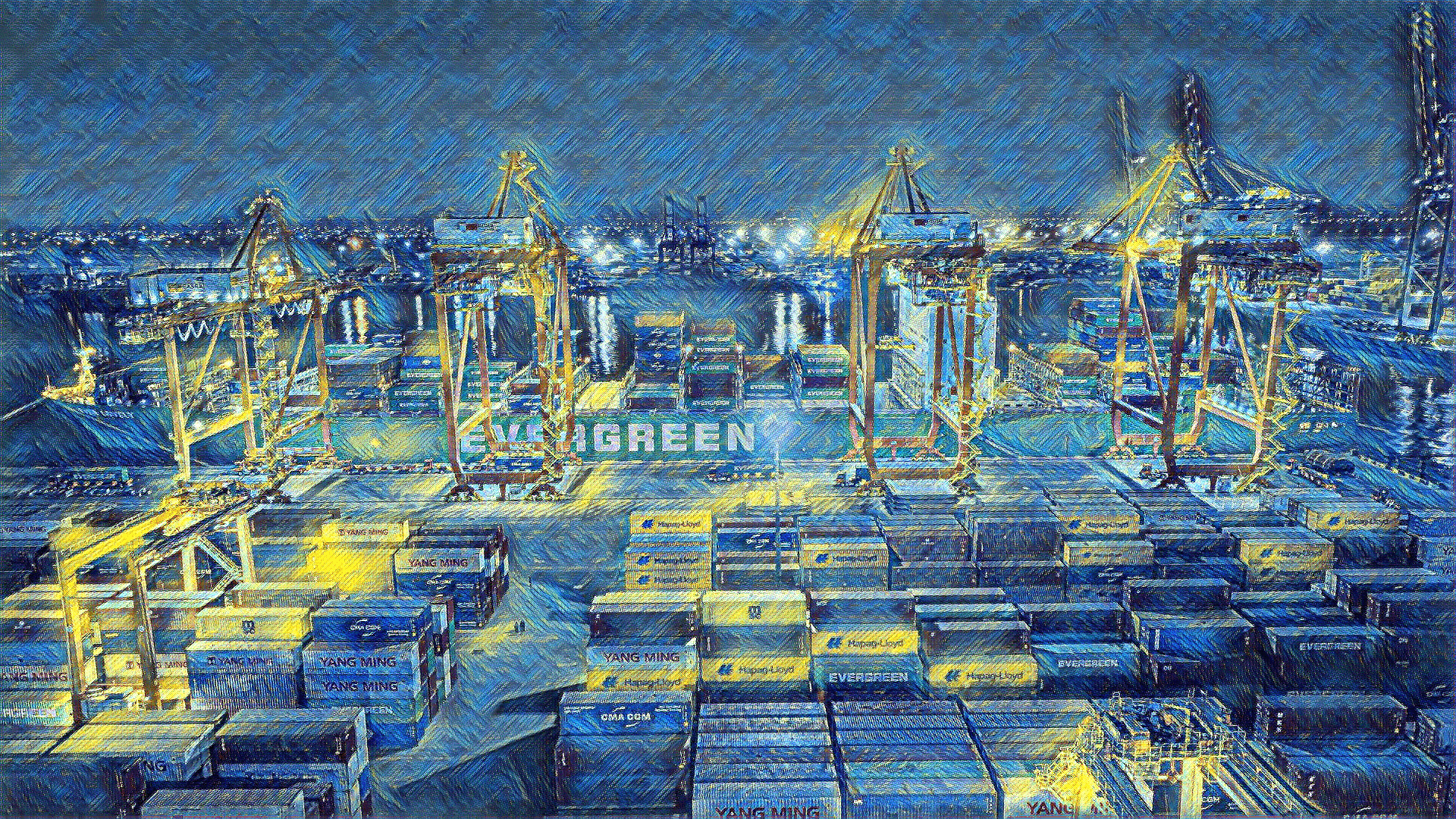
Despite the potential reopening of the Strait of Hormuz, global market experts caution that the waterway's full resumption of traffic will not immediately resolve ongoing shipping crises or stabilize high oil prices. The primary obstacle is a profound lack of confidence among insurers and ship owners, who are hesitant to re-enter the Persian Gulf due to perceived geopolitical risks. Logistically, the system is severely unbalanced: there are far more loaded tankers waiting to exit the Gulf than there are empty vessels available to enter. This bottleneck is critically impacting the supply of essential goods, including refined fuels, crude oil, and fertilizer. Analysts predict that these shortages and elevated prices will persist for months, with a return to normal shipping flow not expected until approximately July.

Hungary Election: Orban Faces Challenge as EU and Russia Watch
Politics

Hungary Election: Orban Faces Challenge as EU and Russia Watch

Hungarian voters participated in a landmark parliamentary election on April 12, 2026, which could end Prime Minister Viktor Orban's 16-year rule. The election reflects growing public dissatisfaction with the country's economic stagnation and high cost of living. The opposition party, Tisza, is currently leading the polls, challenging Orban's government. Geopolitically, the results are highly significant, drawing intense scrutiny from the EU, which is concerned about democratic backsliding, and from Ukraine, which relies on potential EU funding. The election outcome is viewed as a major determinant of Hungary's future alignment within the Western political sphere.

Hungary Election: Orbán's Future Tested by Opposition Challenge
Politics

Hungary Election: Orbán's Future Tested by Opposition Challenge

Hungary is holding a critical election as Viktor Orbán seeks a fifth term, facing a challenge from opposition leader Péter Magyar. The election pits Orbán's illiberal, nationalist foreign policy—which focuses heavily on perceived threats from Ukraine and the EU—against Magyar's domestic platform centered on corruption and economic stagnation. While polls suggest the opposition has a lead, analysts note that Hungary's electoral system makes the final result unpredictable. Internationally, the election is highly watched by the EU, which has previously seen Orbán obstruct aid to Ukraine. The United States has also invested significant diplomatic capital, advocating for the continuation of the Orbán-style governance model across Europe.

US-Iran Talks Collapse in Pakistan Over Nuclear Dispute
World

US-Iran Talks Collapse in Pakistan Over Nuclear Dispute

High-level diplomatic talks between US and Iranian officials concluded without an agreement in Islamabad, Pakistan. The negotiations, described as the highest since 1979, stalled primarily over Iran's nuclear enrichment program. The US, represented by Vice President JD Vance, demanded a firm commitment that Iran would not develop nuclear weapons. Conversely, Iran maintained its focus on a civilian nuclear power program and a slower, long-term negotiation approach. This fundamental disagreement in approach and substance has halted diplomatic progress. The failure raises significant questions regarding regional stability and the future trajectory of the global economy.

JD Vance: US-Iran Peace Talks Stall in Pakistan Amid Energy Concerns
World

JD Vance: US-Iran Peace Talks Stall in Pakistan Amid Energy Concerns

Peace talks between the United States and Iran concluded in Islamabad, Pakistan, with US Vice President JD Vance announcing that the 21-hour negotiations failed to reach a comprehensive agreement. The primary concern stemming from the diplomatic impasse is Iran's lack of commitment to reopening the Strait of Hormuz, a critical chokepoint for global energy supplies. Vance advised Iran to reconsider the US's 'final and best offer' but offered no roadmap for subsequent talks. Meanwhile, former President Donald Trump stated that the outcome of the negotiations was inconsequential, asserting that the US had already achieved a military victory over Iran.

Netanyahu Claims Historic Victory Over Iran Amid Ceasefire Talks
World

Netanyahu Claims Historic Victory Over Iran Amid Ceasefire Talks

Israeli Prime Minister Benjamin Netanyahu declared that the military campaign against Iran has achieved 'historic results,' despite ongoing ceasefire negotiations between the US and Iran in Pakistan. In a televised address, Netanyahu claimed that Israel has successfully eliminated Iran's top leadership and destroyed the country's nuclear and missile capabilities. He also announced the approval of direct talks with Lebanon, stipulating that any resulting peace agreement must include the disarmament of Hezbollah. However, these highly optimistic statements contrast sharply with recent domestic polling, which indicates that the majority of Israeli citizens do not believe that Israel and the US have won the conflict.

France: 9-Year-Old Found Locked in Van, Malnourished Since 2024
World

France: 9-Year-Old Found Locked in Van, Malnourished Since 2024

A 9-year-old boy was rescued in Hagenbach, eastern France, after being found locked inside his father’s utility van since November 2024. Police were alerted by a neighbor and discovered the child in a severely malnourished and neglected state. The boy's father claimed he confined the child to "protect" him from his partner, who allegedly planned to institutionalize him. The father was detained on preliminary kidnapping charges, while the partner was charged but released under judicial supervision. The boy and other family members have been placed in the care of social services, and authorities are investigating whether any third parties were aware of the confinement.

Iraq Elects Kurdish Nizar Amidi President Amid Iran Conflict Fallout
Politics

Iraq Elects Kurdish Nizar Amidi President Amid Iran Conflict Fallout

Iraq's parliament elected Nizar Amidi, a Kurdish politician, as the new president. This election occurred amid significant national instability, driven by the fallout from the U.S.-Israeli conflict with Iran. The country is struggling with security threats, as Iran-backed militias have targeted U.S. bases and critical energy infrastructure. Furthermore, the war and the closure of the Strait of Hormuz have severely disrupted oil exports, which are vital to Iraq's economy. While Amidi's election was delayed past the constitutional deadline, the focus now shifts to the Prime Minister. The dominant Shiite Coordination Framework is expected to decide on the PM nomination, potentially selecting former Prime Minister Nouri al-Maliki.

UK Halts Chagos Islands Deal Amid Trump Criticism and Legal Hurdles
World

UK Halts Chagos Islands Deal Amid Trump Criticism and Legal Hurdles

The UK has temporarily halted its plan to cede the Chagos Islands, which host the strategic US military base at Diego Garcia, following intense criticism from Donald Trump and due to internal legislative delays. The UK government maintains that the transfer is essential for protecting the base's long-term operational security, proposing a 99-year lease agreement with Mauritius. However, the plan faces significant hurdles, including the lack of time to pass the deal through Parliament and the failure to complete the required diplomatic exchange of notes with Washington. Legally, the situation is complicated by the 2019 ICJ ruling, which mandated the UK return the islands to Mauritius. The dispute highlights deep geopolitical tensions, as the islands were separated from Mauritius in 1965 during the UK's colonial era. The base remains a critical asset for global military operations, making the sovereignty dispute a flashpoint between international law and major world powers.

Anthropic Challenges OpenAI Dominance with 'Claude Mania' at AI Summit
Tech

Anthropic Challenges OpenAI Dominance with 'Claude Mania' at AI Summit

The HumanX conference highlighted a significant shift in the AI market, suggesting that Anthropic is challenging OpenAI's previous market dominance. Anthropic's coding agent, Claude Code, has generated considerable industry buzz, leading some experts to label the trend 'Claude Mania.' Furthermore, the adoption of AI agents is forcing companies to undergo deep internal change management, fundamentally altering engineering workflows and team structures. Geopolitically, the industry is prioritizing supply chain resilience by increasing reliance on diverse AI models, including open-weight options from China, to mitigate the risk of dependency on any single provider.

Chip Stocks Surge: Intel, Broadcom Lead Overbought List After AI Partnerships
Tech

Chip Stocks Surge: Intel, Broadcom Lead Overbought List After AI Partnerships

The tech market saw a notable divergence this week, with semiconductor stocks leading the gains and software stocks facing significant selling pressure. The overall market rally was supported by hopes of a U.S.-Iran ceasefire, pushing the Nasdaq Composite up 4.7%. Chip giants like Intel and Broadcom surged due to major AI partnerships with tech leaders such as Google and Anthropic, pushing their stocks into 'overbought' territory. Conversely, software companies like ServiceNow and Salesforce saw sharp declines. ServiceNow's dip was partly attributed to a downgrade by UBS, which cited concerns over AI disruption and budget cuts for non-AI applications.

Amkor Technology: Semiconductor Packaging Poised for AI Boom Gains
Tech

Amkor Technology: Semiconductor Packaging Poised for AI Boom Gains

Amkor Technology is highlighted as a key player in the semiconductor industry, benefiting from the massive global demand driven by artificial intelligence and data center expansion. The company specializes in advanced packaging and testing, allowing complex components to operate faster and more efficiently for AI applications. Amkor's growth narrative is supported by major contracts with tech giants, including deals with Apple and TSMC. While analysts point to strong tailwinds from data centers and high-end consumer electronics, potential risks include shifts in product cycles and power constraints limiting data center expansion.

Artemis II Mission Concludes: Key Lessons for Moon Landing
World

Artemis II Mission Concludes: Key Lessons for Moon Landing

The 10-day Artemis II mission successfully completed a flyby of the Moon, marking a crucial test flight for NASA's deep-space program. The mission provided unprecedented scientific data, including views of the Moon's far side and a 54-minute solar eclipse totality. While the flight was deemed a success, technical issues were identified, notably a leak in the Orion service module's propulsion system and problems with the waste management system. NASA confirmed that these issues require extensive redesign and fixes before future flights. The data collected is vital for preparing for Artemis III, a low-Earth orbit test, and the ultimate goal of landing astronauts back on the Moon by 2028.

Post-Mastectomy Pain Syndrome: The Chronic Complication After Breast Surgery
Health

Post-Mastectomy Pain Syndrome: The Chronic Complication After Breast Surgery

Post-Mastectomy Pain Syndrome (PMPS) is a chronic, debilitating complication that affects many women following mastectomy surgeries, whether for cancer treatment or prevention. While the surgeries are life-saving, the resulting pain is often severe, making daily activities extremely difficult. Medically, PMPS is challenging because it lacks a consistent diagnostic standard and a 'gold standard' treatment protocol. Experts highlight that the condition is frequently dismissed by medical professionals, who historically viewed the pain as an 'acceptable' consequence of the procedure. To improve care, advocates are calling for increased research funding, standardized clinical guidelines, and legislative changes to ensure comprehensive insurance coverage for these chronic complications.

Gilgo Beach Killer Rex Heuermann Pleads Guilty to Multiple Murders
World

Gilgo Beach Killer Rex Heuermann Pleads Guilty to Multiple Murders

Rex Heuermann, the accused serial killer in the Gilgo Beach case, has pleaded guilty to seven counts of murder and admitted to killing an eighth woman, Karen Vergata. The case, which began with the 2010 discovery of the 'Gilgo Four' remains, remained a cold case for over a decade. The investigation was revived in 2022 by a multiagency task force that employed a quiet strategy to gather evidence. Key evidence included cell phone data, financial records, and a DNA sample linked to the victims. After charges were expanded to include multiple victims over decades, Heuermann ultimately pleaded guilty, ending the complex legal proceedings. The plea deal involved dismissing certain charges in exchange for his admission of guilt, which was accepted by the victims' families.

US Inflation Outlook: Oil Shocks and Persistent Cost-of-Living Pressures
Markets

US Inflation Outlook: Oil Shocks and Persistent Cost-of-Living Pressures

Persistent inflation remains a major economic concern in the United States, driven by geopolitical oil price shocks and structural cost increases. While the US economy has demonstrated resilience, the ability of households to absorb rising costs is diminished due to depleted savings rates compared to the pandemic peak. Wage growth is struggling to keep pace with inflation, and the immediate impact of surging energy costs is significantly straining household budgets. Furthermore, inflation is sticky because energy price shocks have delayed effects, meaning that increased diesel costs, for example, will eventually raise food prices months later. Experts warn that these price hikes disproportionately affect low- and middle-income families, who face severe financial strain from rising costs in essential sectors.

US Economy Weakens Trump's Leverage in Iran Negotiations
World

US Economy Weakens Trump's Leverage in Iran Negotiations

Recent economic data, including inflation jumps and record gasoline prices, has created significant domestic pressure on the U.S. government. This economic strain is reportedly undermining President Trump's hardline negotiating position toward Iran regarding a ceasefire and the reopening of the Strait of Hormuz. While a ceasefire was announced, key terms remain disputed, particularly concerning the full opening of the strait and continued military actions in Lebanon. Analysts suggest that Iran is maintaining a strategic advantage by controlling the vital maritime passage, while the U.S. administration appears more focused on achieving a quick resolution.

US-Iran Peace Talks Begin in Pakistan Amid Diplomatic Hurdles
World

US-Iran Peace Talks Begin in Pakistan Amid Diplomatic Hurdles

Peace talks between the U.S. and Iran have begun in Islamabad, Pakistan, with the goal of establishing a lasting ceasefire. The negotiations are intended to resolve a six-week period of regional conflict. However, the talks are currently hampered by several major demands from the Iranian side. Iranian officials, led by Mohammad Bagher Ghalibaf, stipulated that negotiations cannot commence unless Israel ceases attacks on Lebanon and the U.S. releases Iran's frozen assets. Furthermore, the ongoing disruption of shipping traffic through the critical Strait of Hormuz adds to the geopolitical complexity. Pakistan continues to play a role in facilitating a durable diplomatic solution.

US Policies and China's Biotech Boom Challenge Europe's Pharma Sector
Business

US Policies and China's Biotech Boom Challenge Europe's Pharma Sector

Europe's pharmaceutical sector is facing a significant crisis of competitiveness, pressured by external market forces and internal structural weaknesses. Key pressures include the uncertainty introduced by U.S. policies, such as tariffs and most-favored-nation pricing, and the rapid ascent of China as a global biotech innovation leader. Data shows a dramatic shift in global R&D, with the U.S. leading at 55% and Europe falling to 26%. Industry experts argue that Europe's low spending on pharmaceuticals (around 1% of GDP) and fragmented regulatory environment are hindering growth. To counteract this decline, the EU is proposing new legislation to streamline regulations and improve supply chains, while industry leaders emphasize the urgent need for increased public spending and a more unified operating environment.