Despite recent cooling, inflation remains stubbornly high in the US, driven by persistent energy price shocks and depleted household savings, suggesting elevated costs of living are likely to continue for months.
The Persistence of Inflation
Inflation has remained a significant economic challenge for the US since 2021, failing to return to pre-pandemic levels. While the economy has shown resilience—withstanding a pandemic, multiple wars, and historic inflation—the cost of living remains a primary concern for American consumers and voters.
Unlike the 9.1% inflation peak of 2022, current price spikes are being influenced by geopolitical factors, particularly oil price volatility linked to conflicts in the Middle East. However, these shocks create difficulties that are challenging for households to absorb.
Depleted Household Cushion
A key difference from previous inflationary cycles is the reduced financial cushion available to American families. During the pandemic, government stimulus and safety nets significantly boosted savings rates, which were notably high in early 2021.
- Savings Decline: The savings rate, measured as a percentage of after-tax income, fell to 4% in February, a sharp decline from the 21.6% recorded in March 2021.
- Increased Debt: Many Americans are now relying on borrowing to cover daily expenses, making them more vulnerable to rising costs.
- Cumulative Strain: This depletion of savings, combined with other pressures like a frozen housing market, childcare shortages, and the elimination of social services, increases the financial strain on the population.
Wage Growth vs. Energy Costs
Historically, a saving grace for the US economy has been the average annual paycheck growth, which has, for several years, exceeded the average inflation rate. However, this trend has recently reversed, creating a significant squeeze on household budgets.
- Wage Gap: Recent data showed that annual wage growth was struggling to keep pace with inflation, eroding years of progress in real wages.
- Energy Impact: Surging gas and energy prices are having an immediate and substantial impact. For instance, higher energy costs can wipe out benefits like average tax refunds within a matter of months.
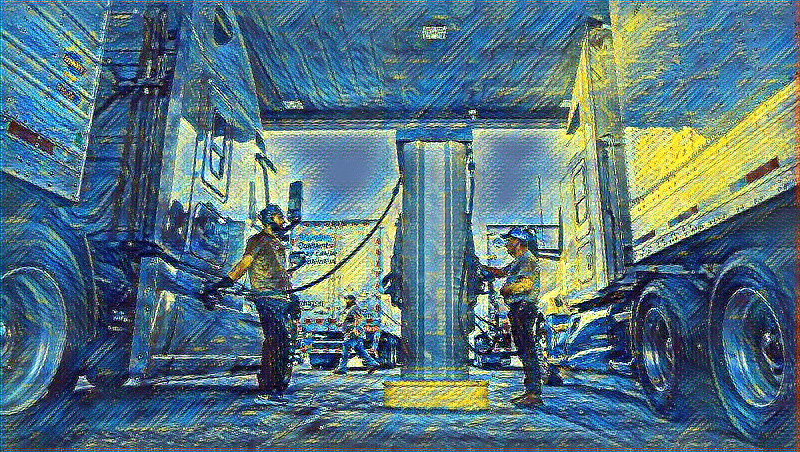
- Delayed Effects: Energy shocks do not only affect gas prices. Higher diesel costs, for example, will eventually raise food prices as shipping companies pass increased operational costs onto supermarkets, a process that can take three to six months to fully manifest.
Economic Outlook and Vulnerability
Economists warn that even if geopolitical tensions ease, consumer prices are expected to remain elevated for the foreseeable future. The impact of these price hikes is not uniform; they disproportionately affect lower- and middle-income households.
- Disproportionate Impact: For some families, a significantly higher percentage of income is already allocated to necessities like food. When coupled with rising costs for heating and transportation, these essential expenses consume a large, non-adjustable portion of their income, creating severe financial distress.