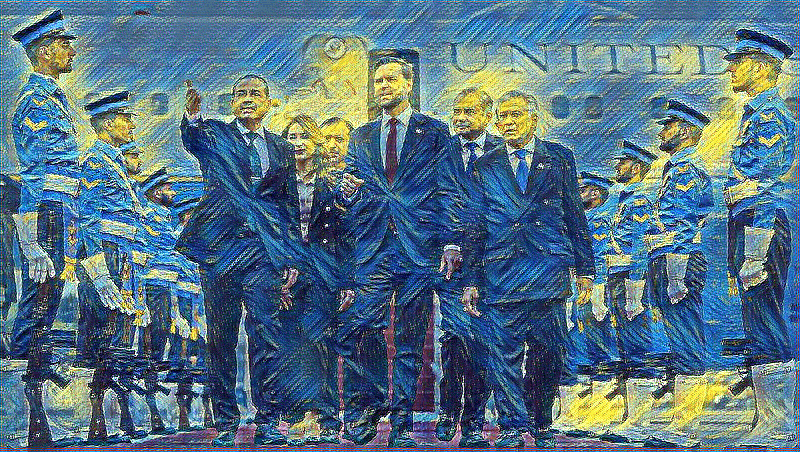
US Vice President JD Vance announced that marathon peace talks between the United States and Iran, held in Islamabad, Pakistan, failed to produce a definitive agreement. The stalled negotiations raise immediate concerns regarding global energy supplies and the future of regional stability.
Outcome of US-Iran Peace Talks
Following 21 hours of discussions, Vice President Vance confirmed that the peace talks did not result in a breakthrough deal. The talks were held in Islamabad, Pakistan, with US officials meeting with Iranian counterparts.
- Vance suggested that Iran could reconsider the United States’ “final and best offer.”
- However, he did not outline a timeline or plan for future negotiations to bridge the current differences.
Geopolitical Implications: Strait of Hormuz
The failure to secure an agreement has immediate implications for global energy markets. A primary sticking point remains Iran's commitment to reopening the Strait of Hormuz.
- Without a firm commitment from Iran to reopen the Strait, global energy supplies are expected to remain constrained.
- The continued restriction of this vital waterway poses a significant risk to international energy trade and global economies.
Differing Political Reactions
The diplomatic outcome was met with varied commentary from key political figures:
- JD Vance: Focused on the immediate need for Iran to accept the US's proposed terms, while maintaining a neutral stance on future diplomatic steps.
- Donald Trump: The former President stated that the outcome of the negotiations was irrelevant to him. He asserted that the United States had already achieved a military victory over Iran, regardless of any diplomatic agreement.