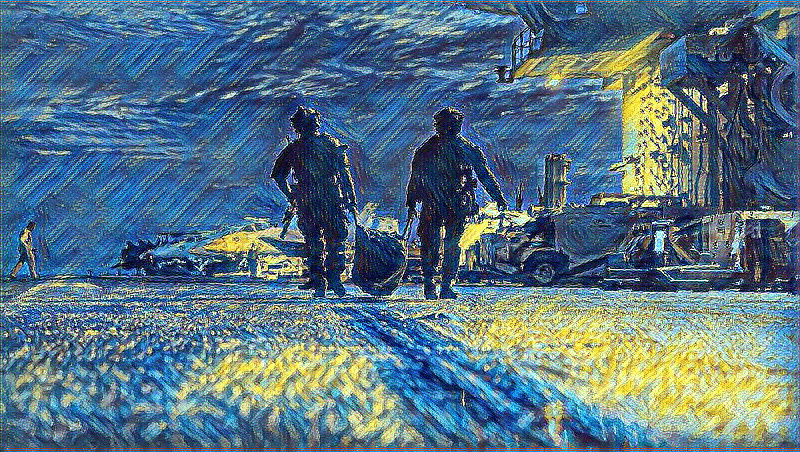
The USS Gerald R. Ford, the world's largest aircraft carrier, recently experienced a major fire in the Eastern Mediterranean, highlighting the immense operational strain placed on US naval assets during its record-breaking deployment.
The Incident and Immediate Impact
In mid-March, the carrier sustained a significant fire in its laundry department while operating in the Eastern Mediterranean Sea. The blaze required 30 hours for the crew to contain, clean up, and prevent reignition. While no sailors were seriously injured, the damage resulted in the loss of access to bunks for approximately 600 personnel and temporarily halted laundry services.
Scope of the Record Deployment
The incident occurred during a deployment slated to break records for the longest continuous operation for an aircraft carrier since the Vietnam War. The ship's journey has been highly complex and geographically diverse, demonstrating the Navy's commitment to global presence.
- Initial Missions: The deployment included movements across the Atlantic, initially heading to the Mediterranean and up to Norway.
- Strategic Shifts: The carrier was subsequently diverted to the Caribbean for operations related to Venezuela.
- Middle East Operations: The route continued to the Middle East, supporting potential military actions in the region.
This extended itinerary, which has been formally extended by the military twice, has placed considerable logistical and physical demands on the crew.
Operational Strain and Readiness Concerns
The combination of high-volume flight operations and prolonged deployments increases the risk of technical issues, a common challenge for carriers at sea.
- Technical Challenges: Minor issues, such as fraying arresting cables and saltwater seepage into shipboard systems, are expected as components wear out. These issues require constant, temporary repairs at sea.
- Military Reliance: The $13 billion Ford is considered a critical asset due to its advanced electronic catapult system, which allows it to launch a wide array of aircraft, including drones. Experts note that the US military's reliance on this vessel underscores its strategic importance.
- Future Readiness: Analysts suggest that the sustained strain on Navy assets, exemplified by the Ford's continuous operations, raises broader questions about the military's capacity to maintain an operational presence in potential future conflicts, such as those in the Pacific.
Human and Logistical Toll
Beyond the mechanical challenges, the extended deployment places significant stress on the personnel and their families. Veterans and family members have voiced concerns regarding the constant uncertainty and the mental toll of long-term deployments.
To mitigate stress, the carrier has utilized specialized support, including a therapy dog named Sage. This initiative aims to enhance crew resiliency, reduce stress, and encourage open conversations about mental health among sailors and Marines.