BN

BriefNews — World News, Updated Every Minute

Adani Group Plans $100 Billion Investment in AI Data Centers in India
Business

Adani Group Plans $100 Billion Investment in AI Data Centers in India

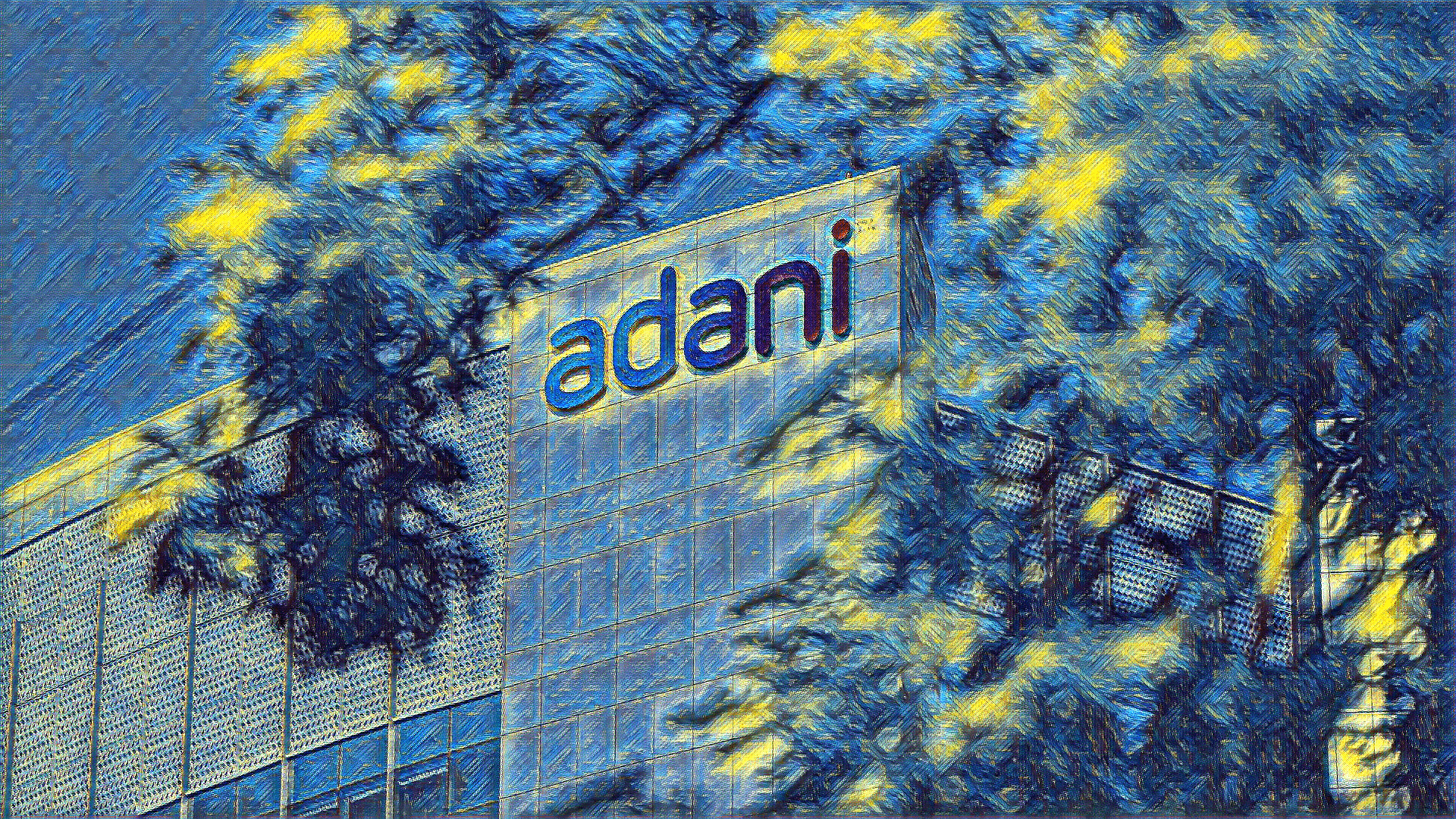
The Adani Group announced a monumental $100 billion investment plan to develop AI-ready data centers across India over the next decade. These facilities will be powered by renewable energy and aim to establish the world's largest integrated data center platform by 2035. The investment is projected to create a $250 billion AI infrastructure ecosystem and stimulate an additional $150 billion in spending across supporting industries like server manufacturing and sovereign cloud platforms. The announcement was made during India's AI Impact Summit, reinforcing India's ambition to be a global creator and exporter of AI intelligence. Following the news, shares of Adani Enterprises rose 2.3%, reflecting positive market sentiment.
Ad slot
Iran Partially Closes Strait of Hormuz Amid US Nuclear Talks
World

Iran Partially Closes Strait of Hormuz Amid US Nuclear Talks

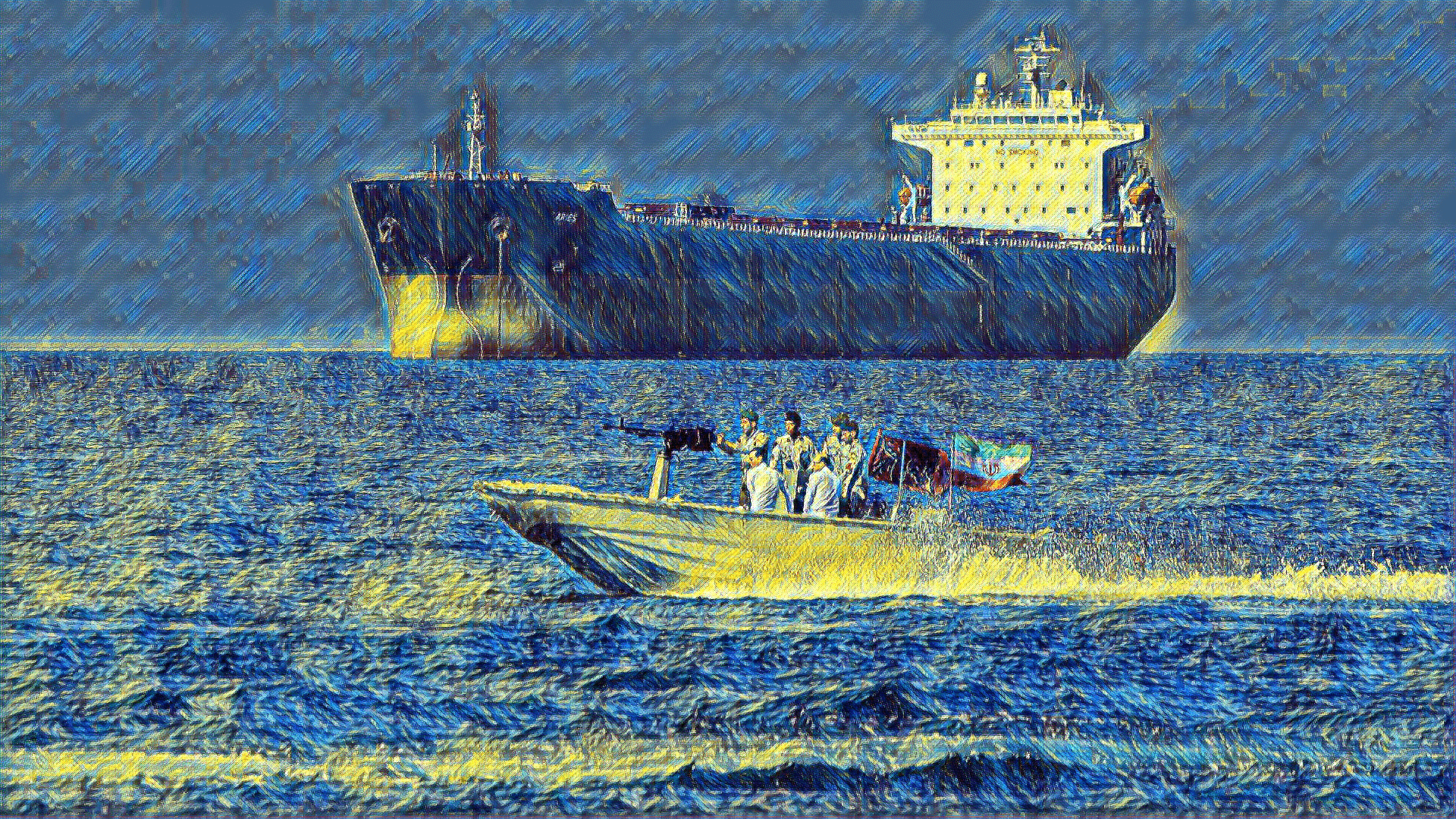
Iran temporarily restricted access to the strategically vital Strait of Hormuz, citing security precautions following military drills. This action occurred while the United States and Iran are engaged in diplomatic talks in Geneva concerning Iran's nuclear program. The Strait of Hormuz is a critical global oil choke point, through which approximately 31% of the world's seaborne crude oil flows. While the talks have reportedly achieved an understanding of "guiding principles," officials cautioned that a final agreement remains distant. The closure marks the first time Iran has restricted the waterway since U.S. President Donald Trump threatened military action in January.

Japan Pledges $550B to US: Trump Hails Energy Investments
Business

Japan Pledges $550B to US: Trump Hails Energy Investments

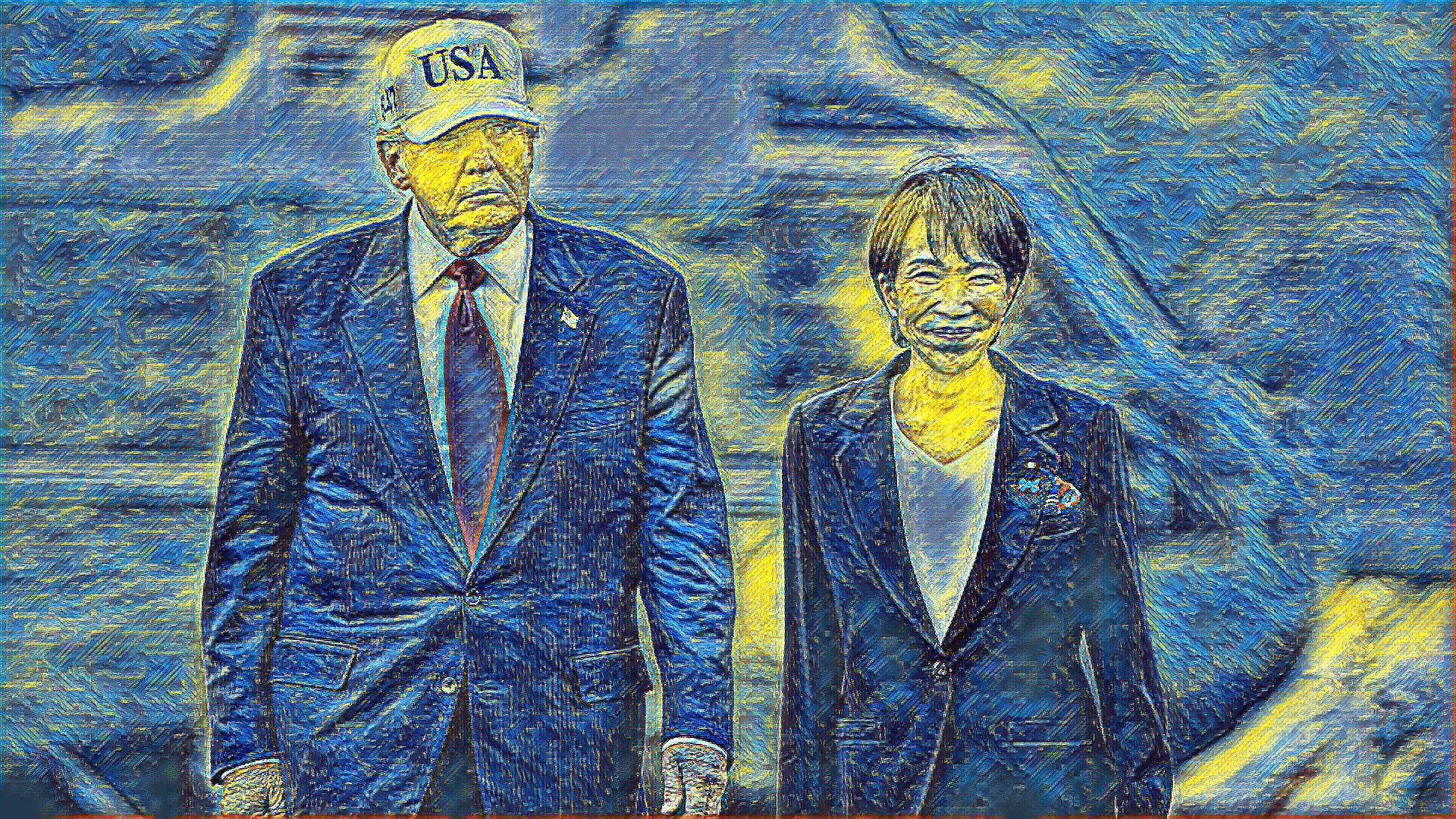
U.S. President Donald Trump welcomed Japan's initial pledge of $36 billion toward developing oil, gas, and critical mineral projects in key U.S. states, including Texas, Ohio, and Georgia. This initial investment is part of a much larger, landmark trade agreement where Tokyo has committed a total of $550 billion to American projects. In exchange for this massive capital infusion, the deal includes tariff reductions for Japan on most of its imports into the U.S. The investments aim to bolster U.S. energy security and economic growth. Officials highlighted major projects, such as a natural gas facility in Ohio expected to generate 9.2 GW, and the $33 billion Portsmouth Powered Land Project, emphasizing the strategic goal of strengthening the U.S.-Japan alliance.

Yoon Suk Yeol Sentenced to Life Imprisonment for Insurrection Attempt
Politics

Yoon Suk Yeol Sentenced to Life Imprisonment for Insurrection Attempt

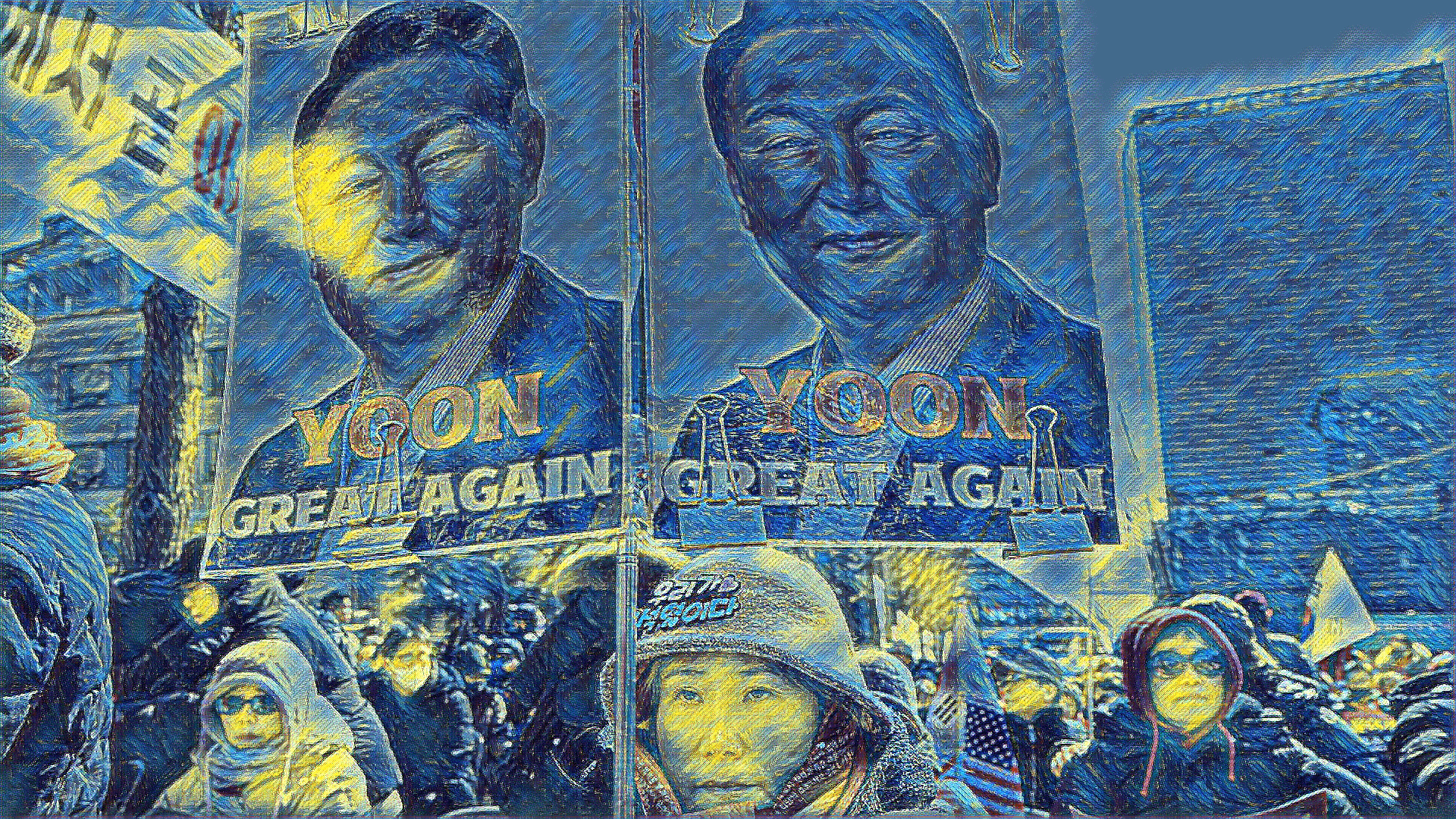
The Seoul Central District Court sentenced former South Korean President Yoon Suk Yeol to life imprisonment for leading an insurrection during his declaration of martial law in December 2024. The court ruled that Yoon actively attempted to subvert the nation's constitutional order, including ordering the military to arrest key figures and attempting to paralyze the National Assembly. Several other senior officials were also convicted and received substantial prison terms, including former Defense Minister Kim Yong-hyun (30 years) and former Prime Minister Han Duck-soo (23 years). The ruling is considered a major legal judgment regarding the failed martial law bid. Yoon's arrest marked a significant historical event, as he was the first sitting president in South Korea to be detained in such an operation.

U.S. Warns Iran to Deal Amid Escalating Drills in Strait of Hormuz
World

U.S. Warns Iran to Deal Amid Escalating Drills in Strait of Hormuz

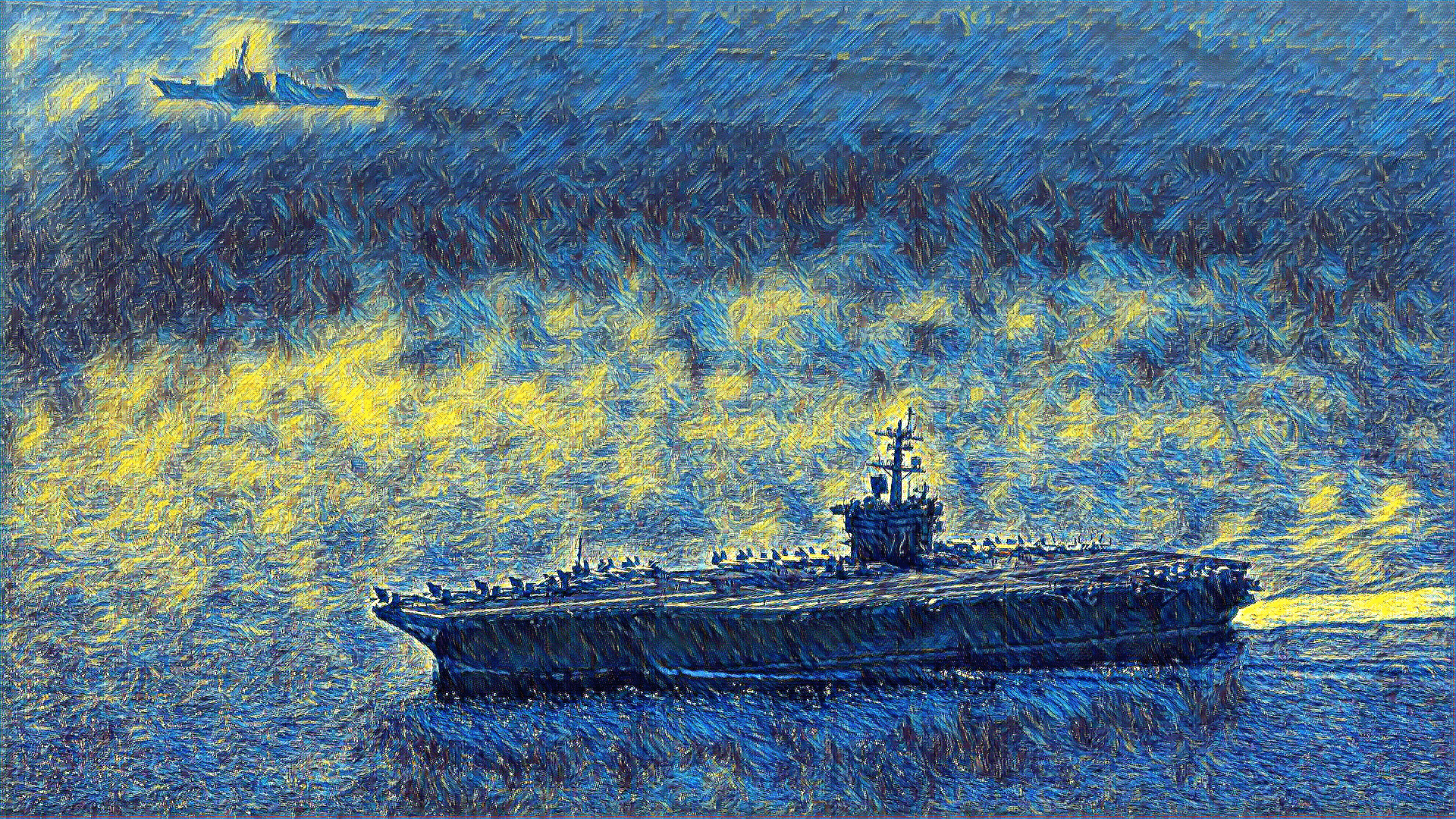
Tensions between the United States and Iran have reached a critical point, with the U.S. warning Tehran that diplomatic resolution is the best course of action. This warning comes amid reports of potential military action and stalled nuclear negotiations in Switzerland. The geopolitical situation is further complicated by Iran conducting joint naval drills with Russia in the Gulf of Oman and the Strait of Hormuz. The U.S. has simultaneously increased its military presence in the region. Analysts describe the environment as 'extremely dangerous,' citing concerns over the stability of the Strait of Hormuz, a vital global oil choke point. These escalating tensions are keeping international oil prices under close scrutiny.

Trump Considers Iran Strike Amid Nuclear Standoff; Oil Prices Stable
World

Trump Considers Iran Strike Amid Nuclear Standoff; Oil Prices Stable

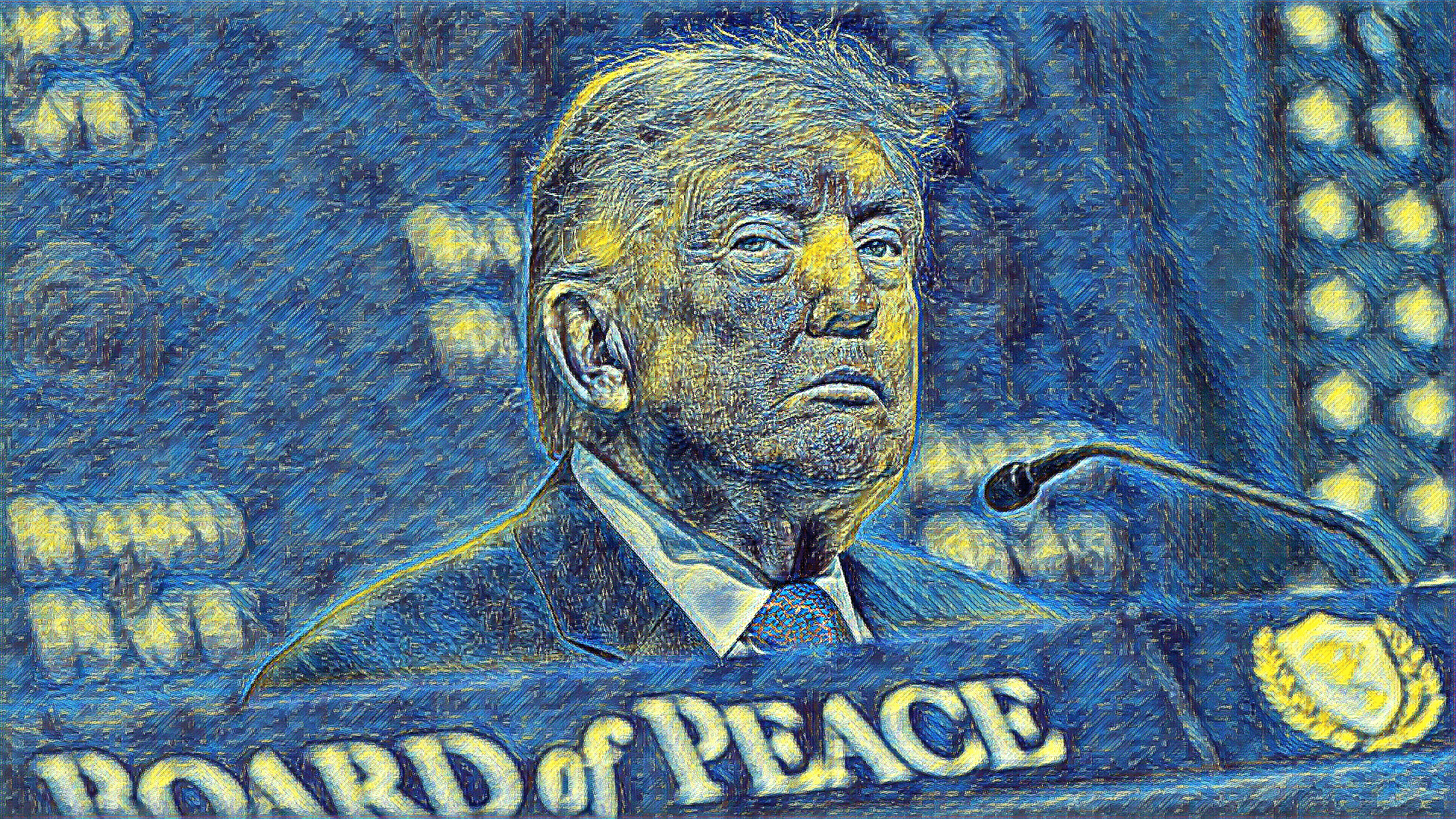
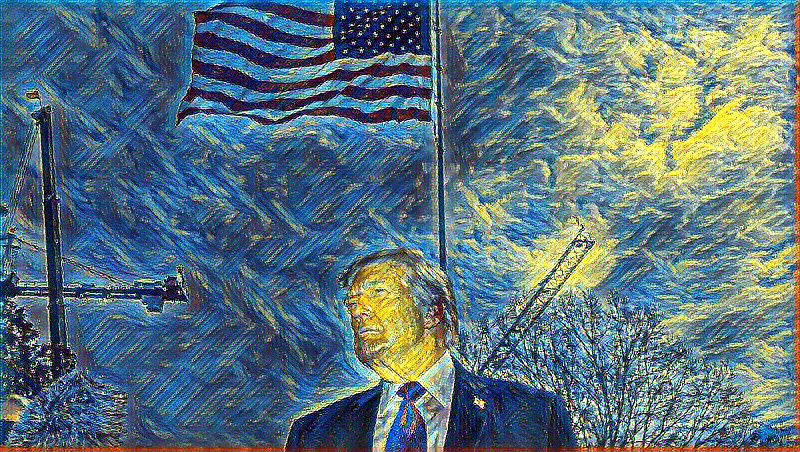
Tensions escalated between the United States and Iran following the failure of diplomatic talks in Switzerland regarding Iran's nuclear program. President Donald Trump publicly stated that he was considering a limited military strike to pressure Tehran, warning that the world would learn within 10 to 15 days whether a deal or military action would ensue. In response, Iran warned of a "decisive" reaction to any military aggression and increased joint naval drills in the Strait of Hormuz. Despite the high geopolitical risk and military buildup, international oil prices remained stable, with Brent and WTI futures showing only minor fluctuations. Market analysts attributed the price support to a combination of concerns over the Middle East instability, large stockpiling purchases by China, and elevated freight rates.

US Supreme Court Ruling Boosts China's Leverage in US-China Talks
Politics

US Supreme Court Ruling Boosts China's Leverage in US-China Talks

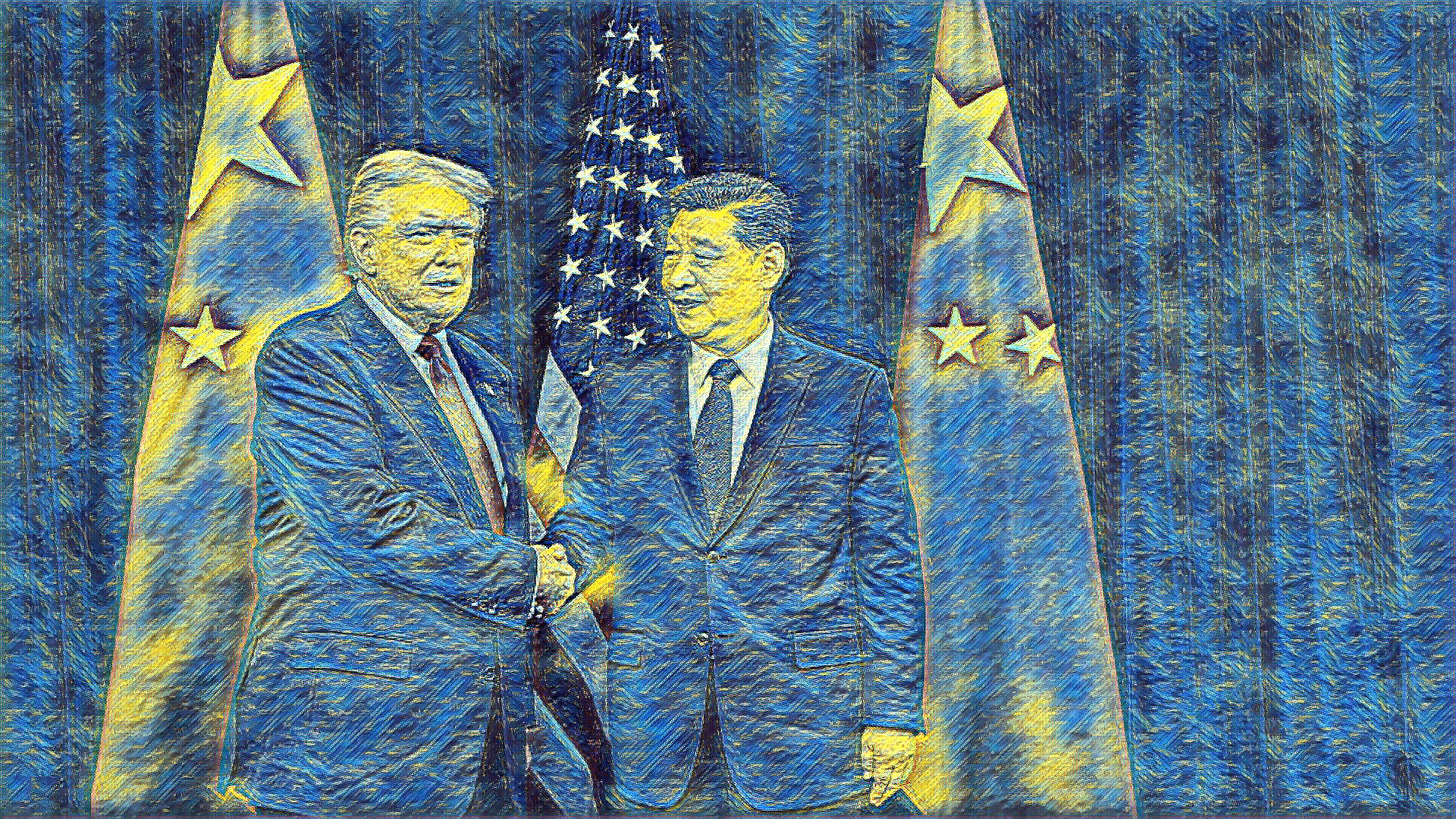
The U.S. Supreme Court ruled that former President Donald Trump improperly used the International Emergency Economic Powers Act (IEEPA) to implement sweeping tariffs, significantly altering the trade landscape. This legal decision has strengthened China's negotiating hand ahead of anticipated high-level summits with the U.S. The ruling allows Beijing to press for major concessions, including easing technology export controls and reducing U.S. support for Taiwan. However, experts warn that the U.S. retains potent non-tariff tools, such as advanced chip export controls and sanctions, which remain key points of tension. Analysts suggest that while the tariff dispute has shifted, the upcoming talks are expected to be primarily political, with the status of Taiwan serving as the central, overriding issue.

Cuba-US Tensions Escalate After Deadly Speedboat Incident; Russia Weighs In
World

Cuba-US Tensions Escalate After Deadly Speedboat Incident; Russia Weighs In

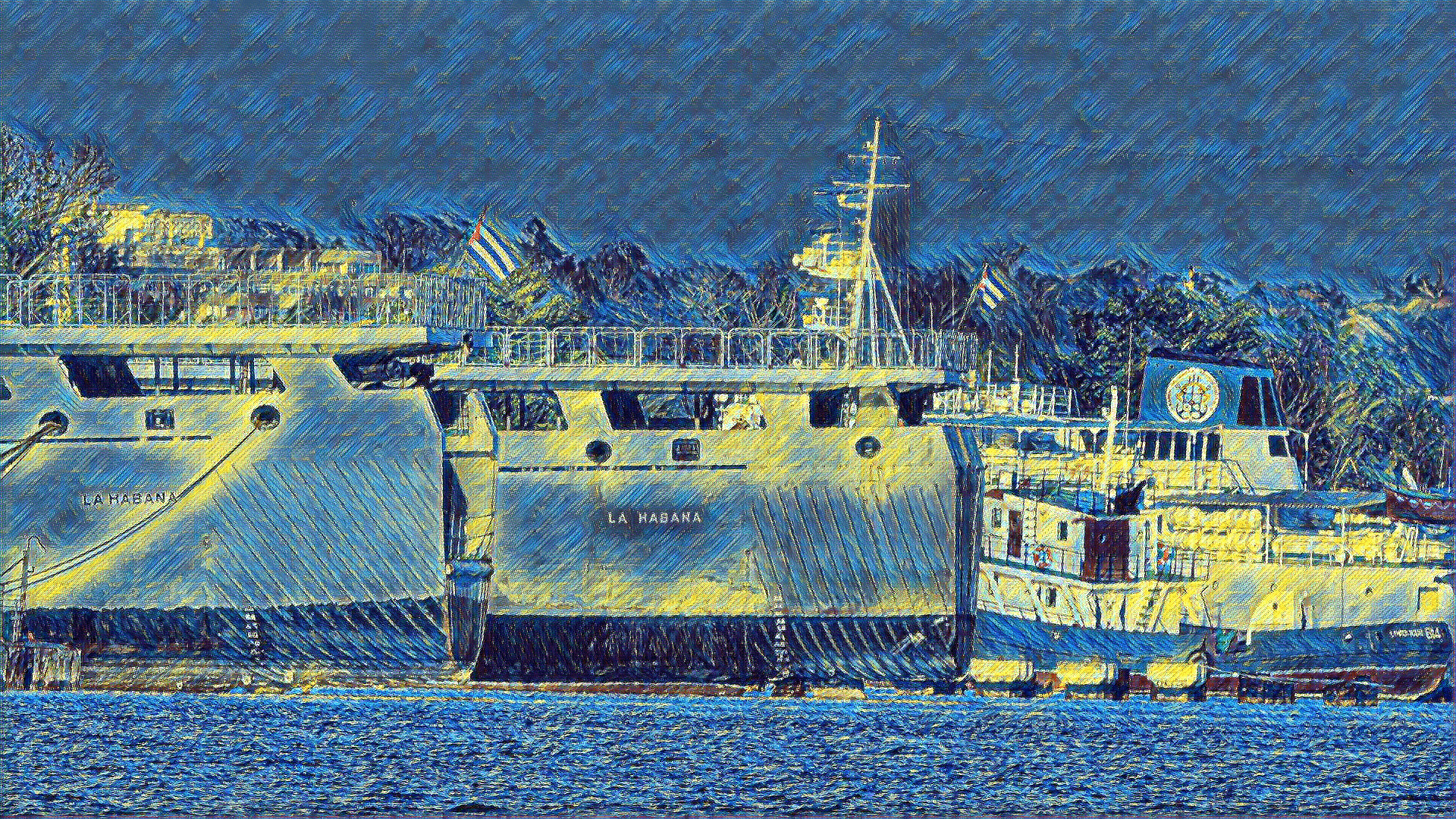
Tensions escalated off the coast of Cuba on February 25, 2026, following a deadly confrontation involving a U.S.-registered speedboat. Cuban authorities reported that border guards fired on the vessel, resulting in the deaths of four people and injuries to six others. Cuba's Interior Ministry claimed the 10 passengers, who were Cuban nationals residing in the U.S., initiated the violence by opening fire on a Cuban patrol boat. In response, Russia stated that the situation in Cuba is escalating, while emphasizing the importance of resolving humanitarian issues. Meanwhile, U.S. Secretary of State Marco Rubio labeled the incident "highly unusual" and announced that the White House would issue a response following an independent investigation.

India's Diplomatic Balancing Act Amid Iran Tensions, China, and US Pressure
World

India's Diplomatic Balancing Act Amid Iran Tensions, China, and US Pressure

India is currently navigating a complex geopolitical environment, balancing tensions in the Iran region, China's push for deeper BRICS cooperation, and the threat of U.S. protectionism. India's response is characterized by a pragmatic, multi-aligned foreign policy, which has seen it avoid condemning the escalating tensions in the Middle East. Experts suggest this cautious approach is primarily driven by India's significant economic vulnerability, particularly concerning its limited energy reserves and financial stability. By maintaining neutrality, New Delhi aims to mitigate risks of supply disruption and financial strain, even as global powers push for clearer alliances.

South Korea Passes Bill for $350B U.S. Investment Pledge Amid Tariff Pressure
Politics

South Korea Passes Bill for $350B U.S. Investment Pledge Amid Tariff Pressure

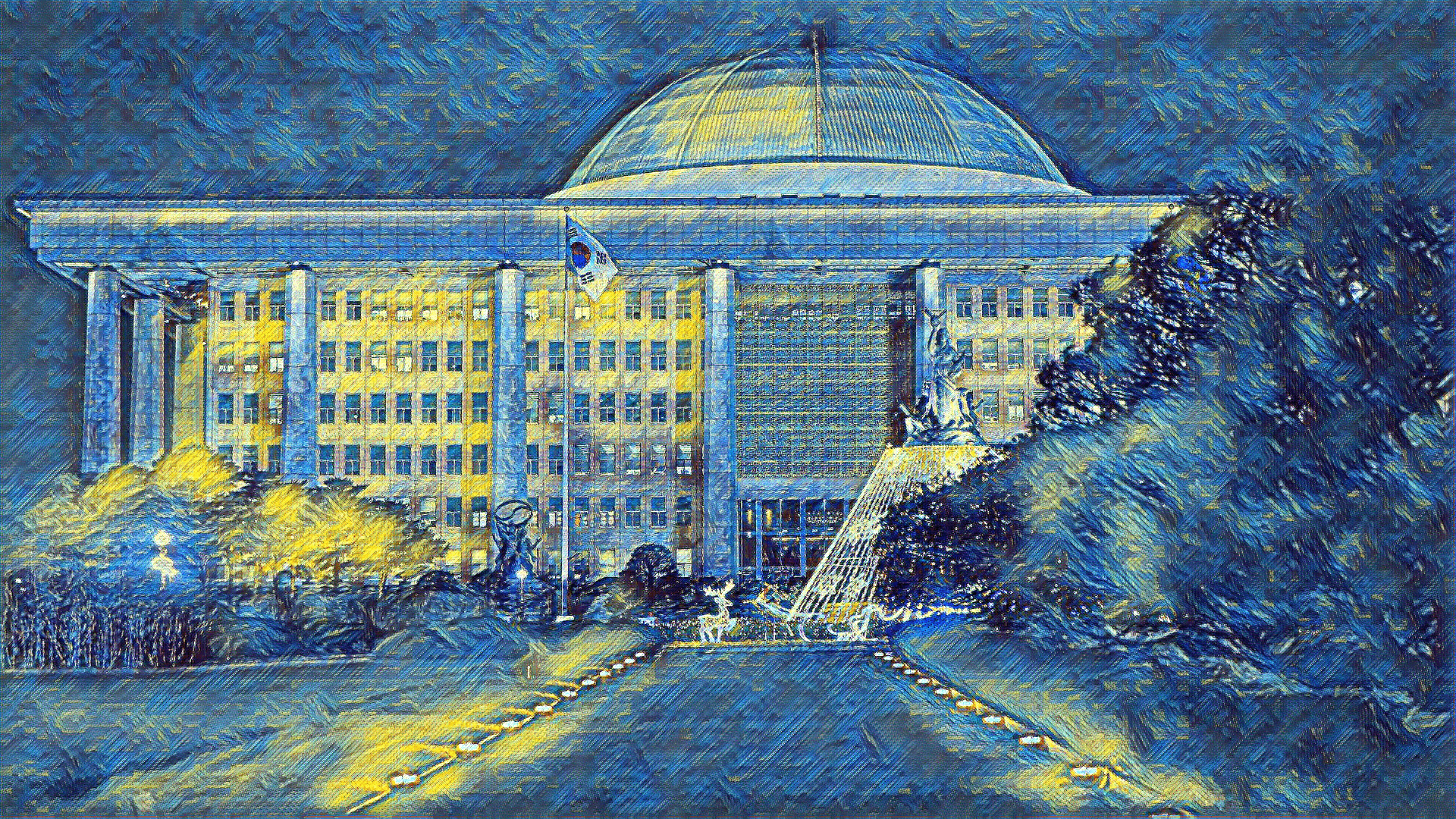
South Korea's National Assembly passed a special bill to create a state-run investment corporation. This entity is designed to manage a planned $350 billion investment into the U.S., which is intended to secure more favorable tariff rates. The investment is structured to allocate $150 billion toward shipbuilding and $200 billion across various strategic sectors. The legislative action comes amid heightened trade tensions, including threats of increased tariffs from former U.S. President Donald Trump and ongoing Section 301 investigations by the U.S. government.

Justice Department Removes Lead Prosecutor in John Brennan Probe
Politics

Justice Department Removes Lead Prosecutor in John Brennan Probe

The Justice Department has removed Maria Medetis Long, the lead prosecutor investigating former CIA Director John Brennan. Her departure follows reports that she resisted pressure from high-level officials, including Donald Trump, who had demanded swift charges. The investigation focuses on the 2017 intelligence assessment that concluded Russia interfered in the 2016 presidential election. While the probe is actively moving forward—with subpoenas and witness interviews being conducted—prosecutors have signaled that the case is not strong and that charges are not imminent. This slow pace has created tension with top DOJ officials who sought a rapid resolution.

Trump Administration Considers Unfreezing $20 Billion in Iranian Assets Amid Talks
World

Trump Administration Considers Unfreezing $20 Billion in Iranian Assets Amid Talks

The Trump administration is reportedly considering unfreezing $20 billion in Iranian assets as part of ongoing peace negotiations in Tehran. These talks are being mediated by Pakistan, with officials hoping for a potential second round of discussions in Islamabad this weekend. Positive signs include a 10-day ceasefire between Israel and Lebanon and Iran's full reopening of the Strait of Hormuz. However, major sticking points remain, primarily concerning the duration of uranium enrichment suspension and the retrieval of nuclear materials. Furthermore, while the US is considering unfreezing assets in exchange for Iran's nuclear stockpile, Iran has requested sanctions relief far exceeding the $20 billion figure. The process has been marked by conflicting public statements from President Trump, who has made claims regarding the deal's terms that contradict official diplomatic sources.

Strait of Hormuz Opens: Oil Plunges 13%, Dow Surges Amid Ceasefire News
Markets

Strait of Hormuz Opens: Oil Plunges 13%, Dow Surges Amid Ceasefire News

Global oil prices and US stock markets experienced significant volatility following an announcement by the Iranian Foreign Minister declaring the Strait of Hormuz 'completely open' for commercial transit during a ceasefire. This news caused Brent and WTI crude oil benchmarks to plunge by 13%, reaching lows not seen since early March. Conversely, US stocks rallied sharply, with the Dow Jones Industrial Average gaining over 1,000 points, and the S&P 500 and Nasdaq also posting substantial gains. While the reopening of this critical shipping lane provided immediate market relief, political figures clarified that the existing US naval blockade would remain in effect until negotiations with Iran are fully concluded. Analysts advised caution, noting that the stability of the situation remains dependent on the ongoing diplomatic process.

Pope Leo XIV's Cameroon Visit: Addressing Poverty and Global Conflict
World

Pope Leo XIV's Cameroon Visit: Addressing Poverty and Global Conflict

Pope Leo XIV held a massive Mass in Douala, Cameroon, drawing an estimated crowd of over 100,000 attendees as part of a 10-day tour of Africa. During his address, the Pope focused on the challenges of poverty and internal conflict within Cameroon, urging citizens to prioritize spiritual values like faith and family over material wealth. He also used the platform to deliver a global critique, criticizing the vast expenditure on warfare and devastation while noting the lack of resources for healing and education. The event highlighted the strong role of the Catholic Church in Cameroon, which provides essential services like education and healthcare, particularly in regions affected by conflict, such as the Anglophone crisis. The visit underscores the growing influence of Catholicism across the African continent.

Israel-Lebanon Ceasefire Boosts Middle East Peace Hopes Amid Geopolitical Tensions
World

Israel-Lebanon Ceasefire Boosts Middle East Peace Hopes Amid Geopolitical Tensions

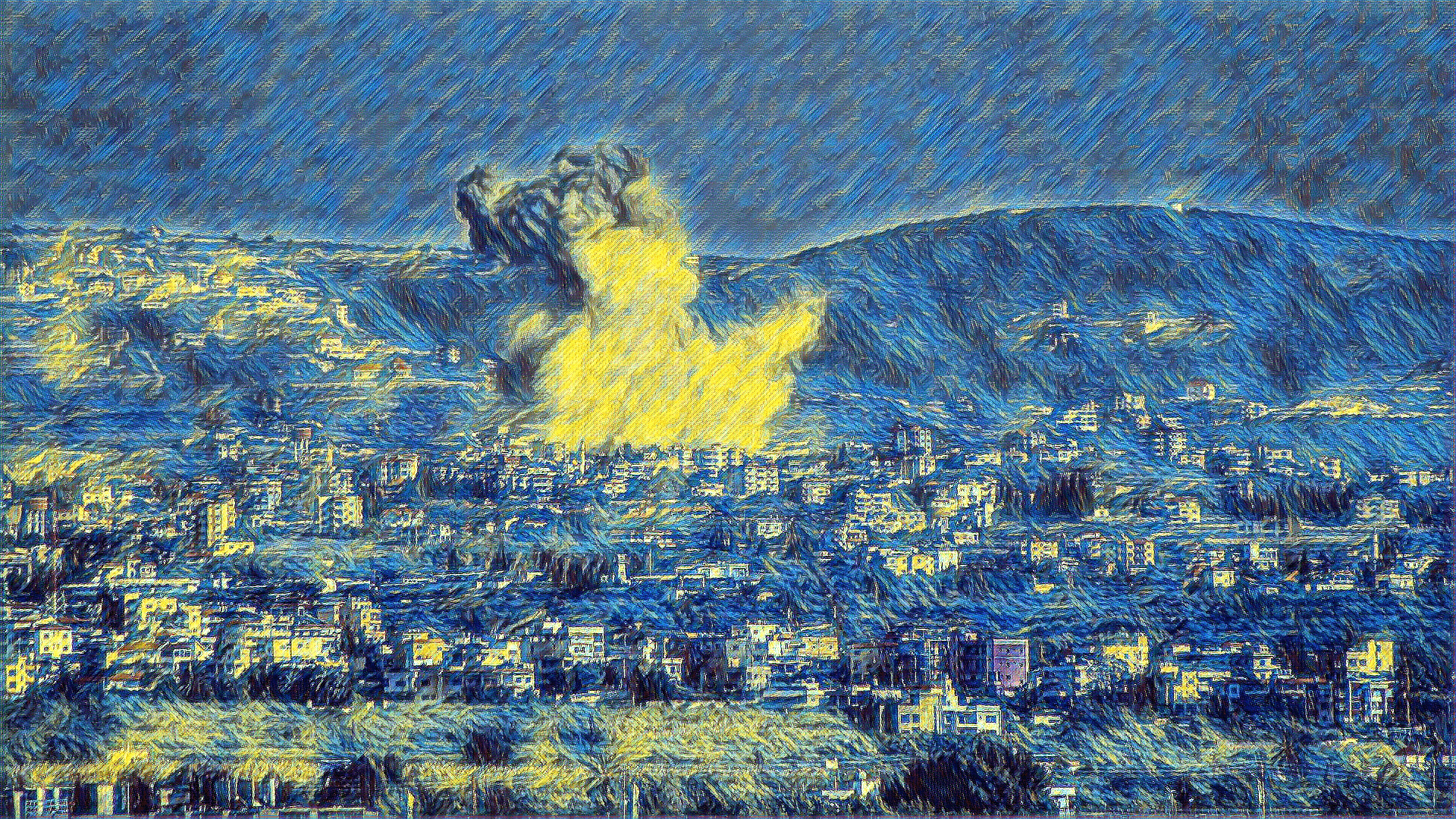
A temporary 10-day ceasefire has been reached between Israel and Lebanon, following a meeting in Washington, fueling optimism for broader peace in the Middle East. Former President Donald Trump announced plans to host Israeli Prime Minister Netanyahu and Lebanese President Aoun at the White House for high-level peace talks. While global markets maintain a positive trend, geopolitical concerns persist, particularly regarding the Strait of Hormuz. Furthermore, there is growing optimism about the potential conclusion of the conflict in Iran. Separately, UK Prime Minister Keir Starmer is under scrutiny after former Ambassador Peter Mandelson failed a vetting process for a proposed appointment.

US Seeks Energy Foothold in India Amid Global Supply Disruptions
World

US Seeks Energy Foothold in India Amid Global Supply Disruptions

The United States is intensifying its efforts to deepen energy trade with India, capitalizing on global supply disruptions stemming from the Middle East and the withdrawal of waivers for Russian and Iranian oil. While U.S. officials, including Ambassador Sergio Gor, are meeting with Indian energy ministers to discuss expanding reliable American energy access, India faces significant domestic challenges. The nation is grappling with an acute energy supply crunch, particularly concerning LPG, which is vital for household use. Furthermore, transitioning India's energy portfolio to U.S. sources is complicated by structural hurdles, including high freight costs, incompatible refinery infrastructure, and longer delivery times. India remains highly dependent on imports, making energy price stability crucial for its macroeconomic health.

European Stocks Jump: Iran Opens Strait of Hormuz, Boosting Markets
Markets

European Stocks Jump: Iran Opens Strait of Hormuz, Boosting Markets

European stocks experienced a significant jump on Friday, primarily following Iran's announcement that the Strait of Hormuz is fully open for commercial shipping. This development, coupled with positive global sentiment fueled by hints of an end to conflict from Donald Trump and a ceasefire between Israel and Lebanon, bolstered global equity markets. The pan-European Stoxx 600 index rose 1.16% by 2:00 p.m. London time, with the airline sector leading the gains. However, the oil and gas sector was a notable exception, dropping approximately 3% as the news of the strait's opening weighed on crude oil prices, causing shares in BP and Shell to fall.

European AI Chip Startups Seek Funding to Challenge Nvidia's Dominance
Tech

European AI Chip Startups Seek Funding to Challenge Nvidia's Dominance

European AI chip startups, including Euclyd and Optalysys, are actively seeking substantial funding to develop alternative hardware solutions designed to challenge Nvidia's market dominance. The industry focus is shifting from AI training to AI inference, a shift driven by the need for greater energy efficiency and influenced by geopolitical concerns like U.S. export controls. These startups are pioneering novel technologies, such as Euclyd's specialized architectures and Olix's photonics-based processors, which claim superior efficiency compared to traditional GPUs. However, the sector faces considerable challenges, including long development cycles, an immature local foundry ecosystem, and a funding gap compared to the massive investments seen in the U.S. market.

EU-China Trade Tensions: Export Controls Expected to Be Permanent, Says Chamber
World

EU-China Trade Tensions: Export Controls Expected to Be Permanent, Says Chamber

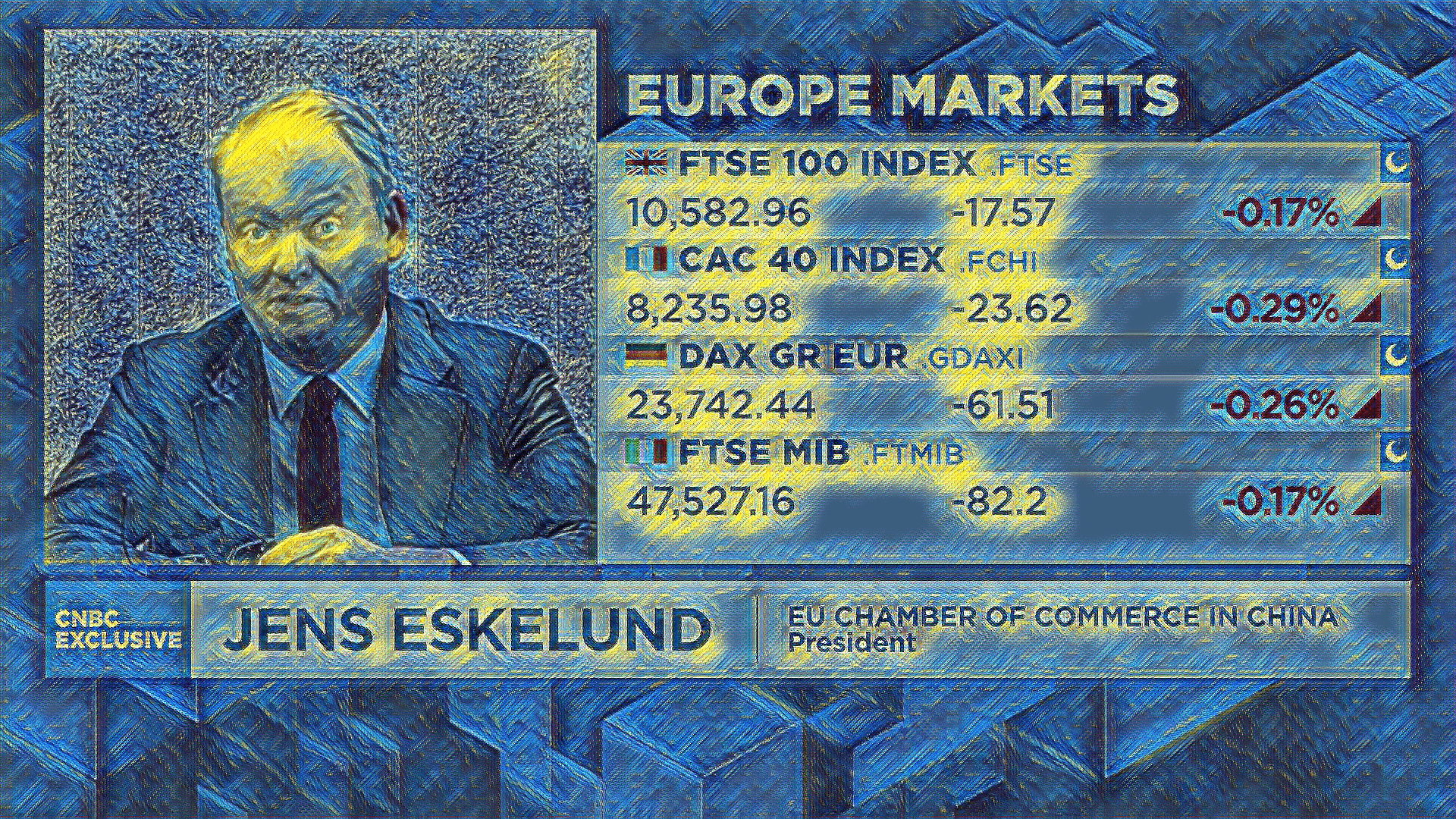
Jens Eskelund, President of the EU Chamber of Commerce in China, stated that the business relationship between the European Union and China remains highly complex. He advised companies that determining their true market dependencies is a long-term process, requiring careful strategic planning. Eskelund's assessment highlighted that China appears comfortable utilizing its current policy tools and leverage. Consequently, he predicted that trade regulations, specifically export controls, are likely to become permanent fixtures. These enduring controls are expected to maintain a stable, yet restrictive, environment for cross-regional commerce.

House Passes 10-Day Extension for Controversial FISA Surveillance Law
Politics

House Passes 10-Day Extension for Controversial FISA Surveillance Law

The U.S. House of Representatives approved a temporary, 10-day extension for the controversial Foreign Intelligence Surveillance Act (FISA) Section 702. This short-term measure came after Republican leaders failed to pass a long-term reauthorization plan due to internal dissent. FISA 702 allows U.S. officials to collect communications data from foreign targets, a capability deemed critical by national security officials for combating terrorism and protecting infrastructure. However, the law has drawn sharp criticism from civil liberties groups who warn that the process risks infringing on the privacy rights of American citizens. The 10-day extension now moves to the Senate for passage, as the program faces potential lapse in the coming days.

Religious Rhetoric: Trump Administration's War Justification in Iran
Politics

Religious Rhetoric: Trump Administration's War Justification in Iran

The Trump administration has increasingly utilized religious language and symbolism to justify its foreign policy, particularly concerning the war in Iran. Key officials, including Defense Secretary Pete Hegseth and Vice President JD Vance, have been noted for integrating religious themes into discussions of military action. Critics argue that this trend blurs the lines between state policy and religious doctrine. The administration's actions have drawn international attention, particularly regarding its relationship with global religious authorities. These developments raise significant questions about the intersection of political power and religious belief in modern American foreign policy.

Pope Leo Challenges Trump, Calling for Peace and International Law
World

Pope Leo Challenges Trump, Calling for Peace and International Law

Trong chuyến công du lịch sử châu Phi tại các điểm dừng như Algeria và Cameroon, Giáo hoàng Leo đã thẳng thắn phản hồi những lời chỉ trích từ chính quyền Trump. Ông tuyên bố rằng mình không sợ hãi chính quyền Trump và sẽ tiếp tục lên tiếng về thông điệp Phúc Âm. Giáo hoàng đã nhấn mạnh tầm quan trọng của hòa bình, luật pháp quốc tế và các thể chế đa phương như Liên Hợp Quốc. Ông cũng liên tục chỉ trích việc sử dụng tôn giáo để biện minh cho chiến tranh, đặc biệt liên quan đến các xung đột ở Trung Đông. Những phát biểu này đã định vị Giáo hoàng là một lực lượng đối trọng quốc tế nổi bật, tạo ra sự đối lập rõ rệt giữa thông điệp hòa bình của Giáo hội và các luận điểm chính trị của Hoa Kỳ.

Ukraine-Iran Drone Wars: Strategic Convergence and Global Implications
World

Ukraine-Iran Drone Wars: Strategic Convergence and Global Implications

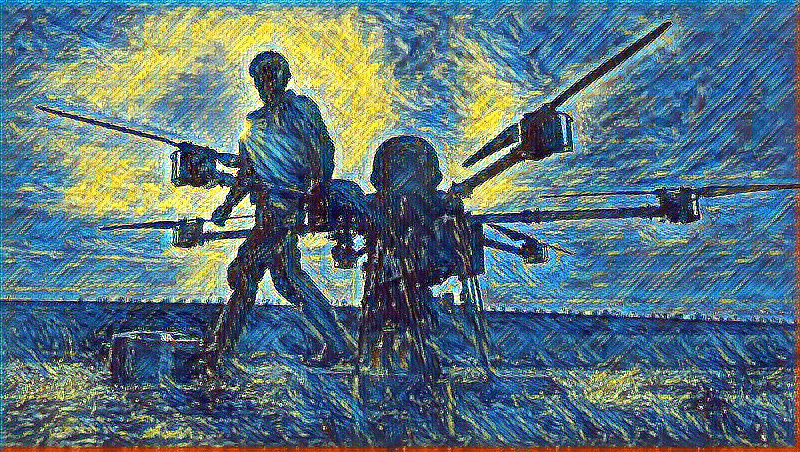
Analysts are drawing a strategic link between the conflicts in Ukraine and the Middle East, focusing on the rapid evolution of drone and missile warfare. In Ukraine, the country has demonstrated remarkable innovation in its defense industry, developing highly effective and cost-efficient drone systems that are challenging Russian military capabilities. Concurrently, the United States has been actively engaged in degrading Iran's advanced missile and drone programs in the Middle East, citing multiple attacks on American positions. Experts suggest that these two theaters are interconnected, forming a critical battleground for global military technology. The increasing international support for Ukraine, particularly from Gulf nations, is viewed as a major factor that could shift the geopolitical balance against the Russia-Iran alliance.

Global Markets Rally Amid Middle East Peace Signals, But Geopolitical Risks Persist
World

Global Markets Rally Amid Middle East Peace Signals, But Geopolitical Risks Persist

Global financial markets experienced a strong rally on April 16, 2026, with the S&P 500 and Nasdaq Composite reaching new all-time highs. This optimism was primarily driven by diplomatic signals of peace in the Middle East, including a reported 10-day ceasefire between Israel and Lebanon and potential U.S.-Iran talks in Pakistan. However, market sentiment remains cautious due to persistent geopolitical risks, notably the continued closure of the Strait of Hormuz and high oil prices. Furthermore, the tech sector showed signs of investor fatigue; major companies like TSMC, ASML, and Netflix saw their shares decline despite reporting earnings that surpassed market expectations, underscoring the high level of investor anticipation.