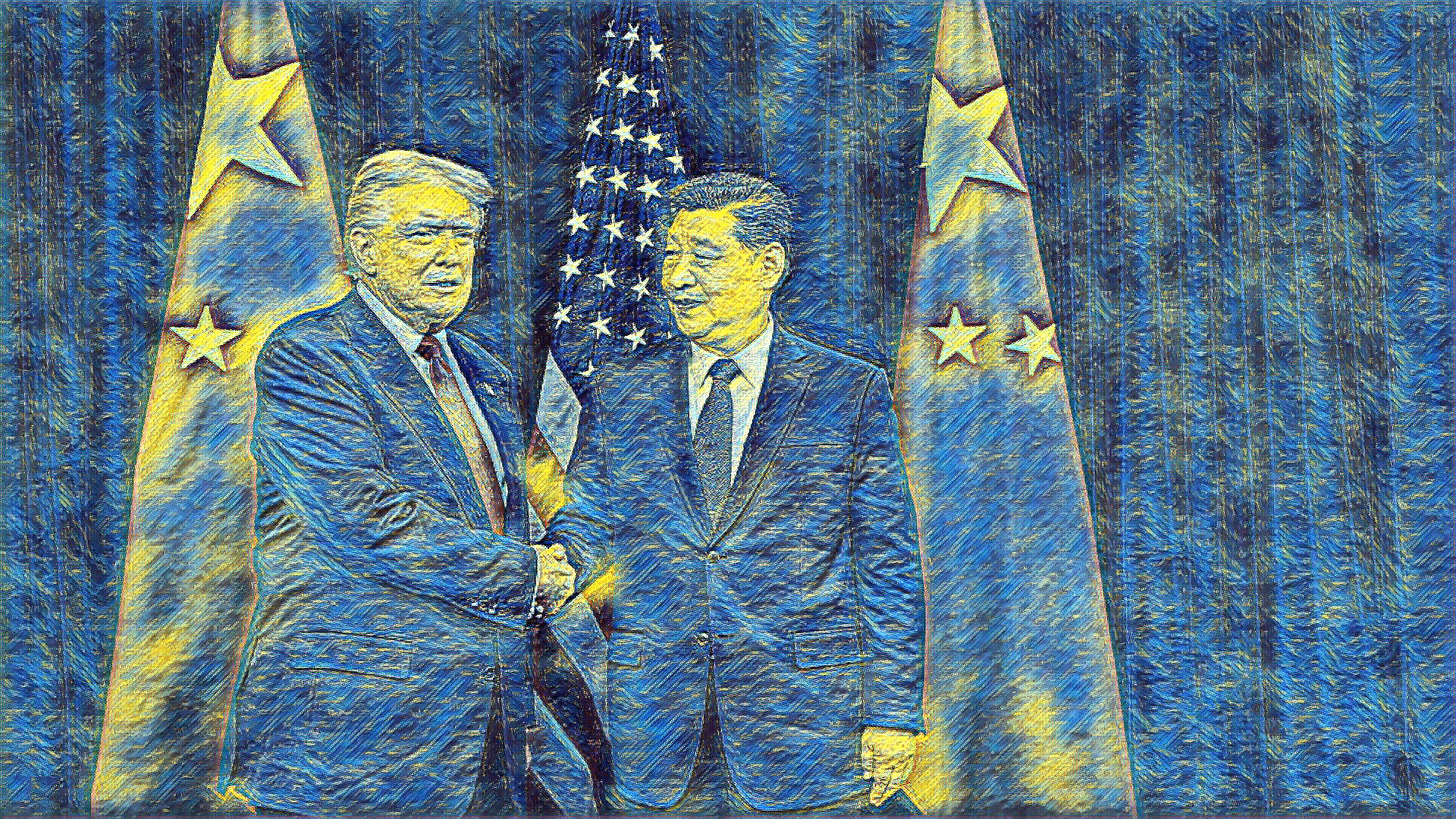
US Supreme Court Ruling Boosts China's Leverage in US-China Talks
The U.S. Supreme Court ruled that former President Donald Trump improperly used the International Emergency Economic Powers Act (IEEPA) to implement sweeping tariffs, significantly altering the trade landscape. This legal decision has strengthened China's negotiating hand ahead of anticipated high-level summits with the U.S. The ruling allows Beijing to press for major concessions, including easing technology export controls and reducing U.S. support for Taiwan. However, experts warn that the U.S. retains potent non-tariff tools, such as advanced chip export controls and sanctions, which remain key points of tension. Analysts suggest that while the tariff dispute has shifted, the upcoming talks are expected to be primarily political, with the status of Taiwan serving as the central, overriding issue.
Ad slot
Following a ruling by the U.S. Supreme Court that struck down broad tariffs implemented by former President Donald Trump, China's negotiating position has significantly strengthened ahead of high-stakes bilateral summits.
The Impact of the Supreme Court Ruling
The Supreme Court's decision found that Trump had wrongfully invoked the International Emergency Economic Powers Act (IEEPA) to implement sweeping tariffs. Experts note that this ruling has curtailed the former president's ability to deploy tariffs at will, thereby weakening a key element of U.S. trade leverage.
Legal Basis: The court ruled that the tariffs were improperly implemented using IEEPA.
Analyst View: Experts suggest this limits Trump's ability to pressure Beijing through tariffs, potentially complicating efforts to secure large purchases of U.S. goods like soybeans and Boeing aircraft.
China's Enhanced Negotiating Position
Ad slot
Analysts believe China will capitalize on this legal setback to push for major policy concessions from the U.S. The ruling provides Beijing with increased confidence in its negotiations with Washington.
China's primary objectives include:
Pressuring the U.S. to ease technology export controls.
Securing the removal of certain Chinese entities from U.S. sanctions lists.
Seeking a reduction in U.S. arms sales to Taiwan.
Generally strengthening its overall negotiating standing with the U.S.
Non-Tariff Tools and Persistent Tensions
Despite the diminished tariff authority, experts caution that the U.S. retains powerful non-tariff tools that remain central to the geopolitical dispute. These measures include:
Technology Controls: Expanded export restrictions on advanced semiconductors and broader limitations on Chinese technology firms.
Sanctions: The use of targeted sanctions against Chinese entities.
Geopolitical Issues: The U.S. stance on Taiwan, disputes over the South China Sea, and security ties with Japan and South Korea remain largely outside the scope of tariff law.
Furthermore, the ongoing Section 301 investigation into China's compliance with trade commitments adds another layer of complexity to the relationship. While the ruling may limit the scope of trade disputes, analysts emphasize that the upcoming summits are expected to be highly political, with the issue of Taiwan overshadowing potential commercial agreements.