The Trump administration's increasing reliance on religious language and symbolism to frame its foreign policy, particularly regarding the conflict in Iran, has drawn significant criticism for potentially eroding established political traditions.
The Rise of Faith-Based War Rhetoric
Officials within the administration have begun integrating religious scripture and symbolism into discussions about military action. This trend has led to several high-profile instances of religious rhetoric being used in the context of U.S. foreign policy:
- Defense Secretary Pete Hegseth: Has framed briefings using scripture, presenting American troops in language that suggests they are spiritual warriors.
- Vice President JD Vance: Engaged in public theological debates, notably challenging the understanding of Pope Leo XIV regarding divine blessings in warfare.
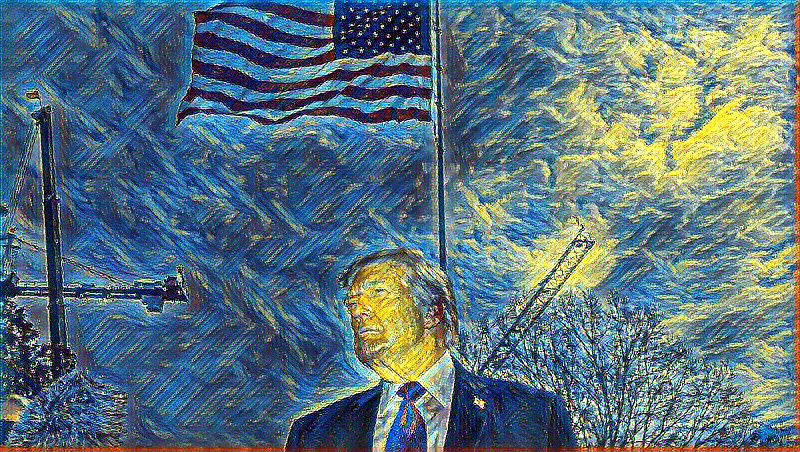
- Donald Trump: Posted an AI-generated image depicting himself in a Christ-like figure, utilizing social media for religious symbolism.
This shift mirrors historical precedents where other nations have invoked religious claims for conflict, such as Iran's Islamic Republic claiming to act on divine will, or Israeli Prime Minister Benjamin Netanyahu referencing the Jewish holiday Purim.
Political and Ideological Drivers
The increasing religiosity is viewed by analysts as reflecting a hardening of certain Republican ideologies, influenced by evangelical movements. This focus allows party officials to highlight their own religious doctrines, sometimes at the expense of offending non-believers or adherents of other faiths.
Critics argue that this is less about personal belief and more about a political power play, aimed at solidifying support among evangelical Christian voters, who form a crucial base for the Republican party.
- Concerns over Separation of Church and State: Critics worry that the overt use of religious rhetoric blurs the constitutional lines between state institutions and religious belief.
- Historical Context: Historically, U.S. presidents often avoided presenting Middle East conflicts as purely religious ventures to maintain diplomatic ties with allied Muslim nations and avoid political complications.
Challenges to Global Religious Authority
The administration's approach has extended to challenging global religious figures. The White House has shown a willingness to engage in public disputes with the Vatican, notably following Pope Leo XIV's rebuke of 'masters of war' for manipulating religion for political gain.
This clash represents a significant public confrontation between the U.S. political establishment and the highest religious authority in Catholicism. The debate highlights a fundamental tension: while religious conviction can provide comfort and moral certainty to those engaged in conflict, effective diplomacy requires provisional and flexible approaches that transcend absolute religious doctrines.