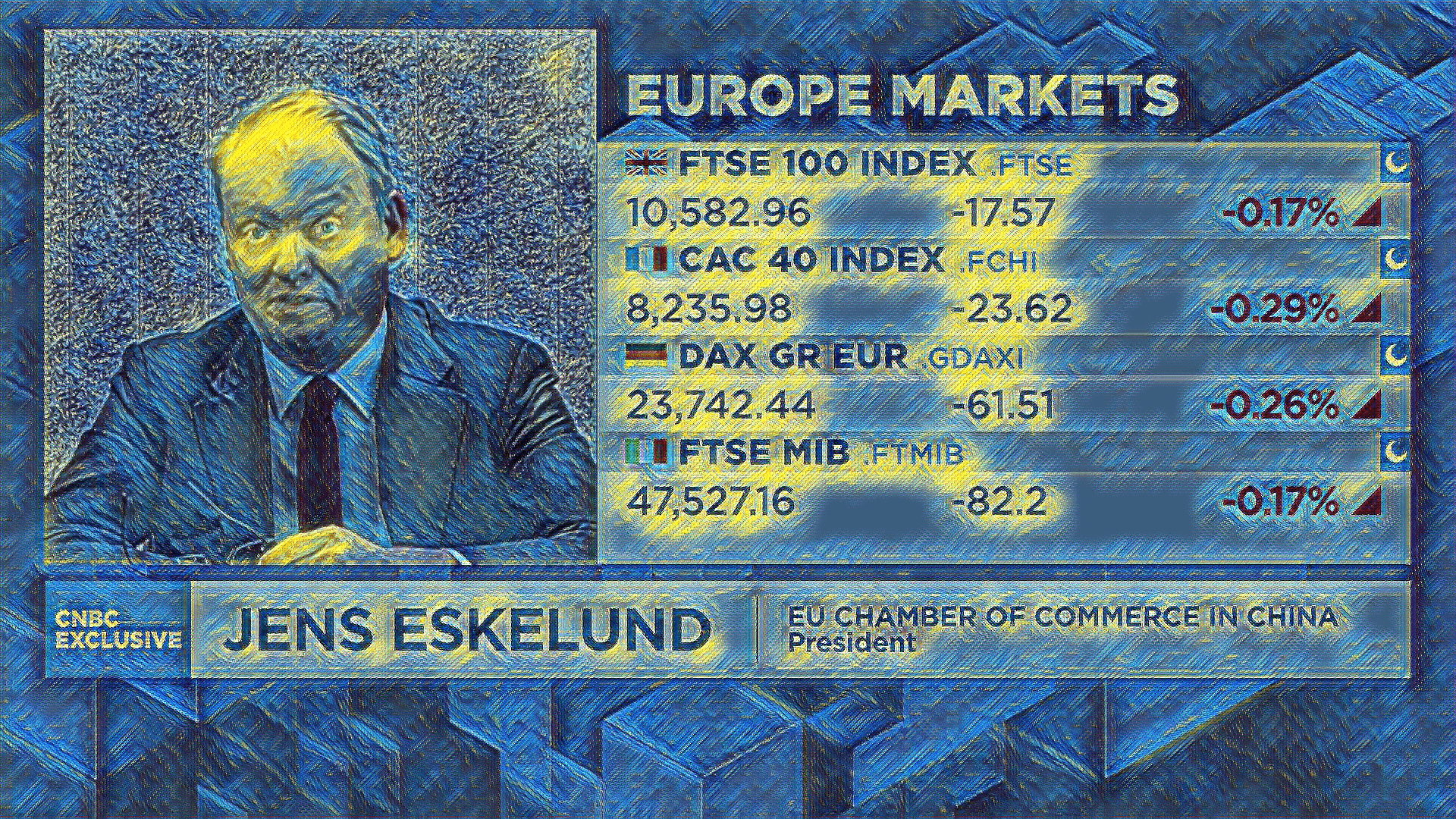
EU-China Trade Tensions: Export Controls Expected to Be Permanent, Says Chamber
Jens Eskelund, President of the EU Chamber of Commerce in China, stated that the business relationship between the European Union and China remains highly complex. He advised companies that determining their true market dependencies is a long-term process, requiring careful strategic planning. Eskelund's assessment highlighted that China appears comfortable utilizing its current policy tools and leverage. Consequently, he predicted that trade regulations, specifically export controls, are likely to become permanent fixtures. These enduring controls are expected to maintain a stable, yet restrictive, environment for cross-regional commerce.
Ad slot
The EU Chamber of Commerce in China warns that trade restrictions, particularly export controls, are likely to become permanent fixtures in the ongoing business relationship between the European Union and China.
State of EU-China Business Relations
Jens Eskelund, President of the EU Chamber of Commerce in China, assessed the current business relationship between the two economic giants as remaining "as complex as ever." He emphasized that the current geopolitical environment necessitates a deep reassessment of corporate strategies.
Corporate Dependency and Risk Assessment
Ad slot
According to Eskelund, companies operating in the region must undertake a thorough and complex process to determine the true extent of their dependencies on either market. He cautioned that this assessment cannot be resolved in the short term, suggesting that long-term strategic planning is required.
Outlook on Trade Policy
Eskelund's analysis pointed to China's apparent comfort level with its existing policy tools. He noted that Beijing seems content with its current policy toolbox and leverage, leading to a key prediction regarding future trade stability:
Permanence of Controls: Regulations such as export controls are expected to remain in place.
Long-Term Stability: These trade restrictions are anticipated to maintain a long-term level of stability, significantly influencing cross-regional business operations and investment decisions.