BN
|
Energy Crisis: US Allies Pivot to China, Russia Amid Hormuz Tensions
World

Energy Crisis: US Allies Pivot to China, Russia Amid Hormuz Tensions

The disruption of the Strait of Hormuz due to escalating tensions has triggered a global energy crisis, forcing Asian allies to urgently seek alternative energy sources. In response, nations like Japan, South Korea, and the Philippines are increasingly engaging in direct energy deals with rivals, including Iran, Russia, and China. This pivot signals a strategic move by these countries to prioritize energy security and diversification over traditional US geopolitical alignments. Experts note that the crisis has created a significant windfall for sanctioned energy producers like Russia and Iran. Ultimately, the event is reshaping regional trade networks and challenging the long-standing influence of the United States in the Asia-Pacific.

Ad slot
Analysis: Trump is bullying NATO again. But Americans like the alliance
World

Analysis: Trump is bullying NATO again. But Americans like the alliance

Tổng thống Donald Trump liên tục đe dọa giải thể NATO, viện dẫn các vấn đề chính sách đối ngoại như cuộc chiến Iran và tranh chấp Greenland, đồng thời chỉ trích các thành viên liên minh vì thiếu hỗ trợ. Mặc dù có những căng thẳng công khai, các nguồn tin cho biết việc Mỹ rút khỏi liên minh này là rất khó khăn về mặt pháp lý do các quy định của Quốc hội Mỹ năm 2023. Các cuộc thăm dò dư luận cho thấy phần lớn người Mỹ vẫn đánh giá cao và ủng hộ vai trò của NATO, bất chấp những lời chỉ trích của Trump. Tuy nhiên, các hành động của ông, bao gồm việc áp thuế và những tuyên bố công khai, đang làm suy yếu liên minh, khiến các đồng minh bắt đầu xem xét lại sự phụ thuộc vào Mỹ. Các chuyên gia nhận định rằng những lời đe dọa này có thể là chiêu bài nhằm buộc NATO hỗ trợ Mỹ trong các vấn đề khu vực như cuộc xung đột Iran.

Middle East Tech Outlook: Conflict Risks, Supply Chains, and Local Investment
Tech

Middle East Tech Outlook: Conflict Risks, Supply Chains, and Local Investment

The Middle East tech sector is navigating a complex environment marked by geopolitical instability and supply chain risks. While the conflict has damaged the region's investment reputation and disrupted critical material flows, such as helium, the underlying demand for technology remains strong. Analysts point to the resilience of the GCC market, driven by substantial local investment from state-backed funds. Key growth areas are expected to focus on AI workloads originating within the region. Although global concerns regarding energy prices and supply chain volatility persist, the region's inherent advantages, including cheap energy, are expected to keep it a highly attractive market despite the current uncertainty.

Trump Links Florida Hammer Attack to Immigration Policy Debate
Politics

Trump Links Florida Hammer Attack to Immigration Policy Debate

An undocumented Haitian man, Rolbert Joachin, has been charged with murder and criminal mischief after allegedly attacking a woman with a hammer outside a convenience store in Fort Myers, Florida. The incident quickly drew national attention, leading President Donald Trump to seize on the footage. Trump posted the graphic video on Truth Social, using it to criticize the Biden administration's immigration policies. He specifically targeted the Temporary Protected Status (TPS) granted to Haitians, calling the program fraudulent and advocating for immediate termination. The charges against Joachin reflect a broader political debate over border security and the enforcement of immigration laws.

Trump seeks sphere of influence through Latin American presidential races
Politics

Trump seeks sphere of influence through Latin American presidential races

Tổng thống Donald Trump đang nỗ lực mở rộng phạm vi ảnh hưởng của Mỹ tại khu vực Mỹ Latinh bằng cách can thiệp sâu vào các cuộc bầu cử tổng thống. Chiến lược này, được các nhà phân tích gọi là 'Học thuyết Donroe,' bao gồm việc gây áp lực và đe dọa cắt viện trợ kinh tế đối với các quốc gia không ủng hộ ứng cử viên được Mỹ ưu ái. Sự can thiệp này đã được ghi nhận tại các nước như Honduras và Argentina, buộc các ứng cử viên địa phương phải điều chỉnh chiến dịch của mình để tránh đối đầu với Nhà Trắng. Các chuyên gia nhận định rằng Trump có khả năng can thiệp vào các cuộc bầu cử sắp tới ở Colombia và Brazil, nhằm định hình lại trật tự khu vực. Nhìn chung, khu vực Mỹ Latinh đang trong quá trình thích nghi với một trật tự mới, trong đó Mỹ xác định mình là trung tâm quyền lực chính trị.

Russia Declares 32-Hour Ceasefire with Ukraine for Easter
World

Russia Declares 32-Hour Ceasefire with Ukraine for Easter

Russian President Vladimir Putin has declared a 32-hour ceasefire with Ukraine, timed to coincide with the Orthodox Easter holiday. This decree follows a prior proposal for a pause in hostilities put forth by Ukrainian President Volodymyr Zelensky. The Kremlin ordered Russian forces to halt combat operations across all fronts but stipulated that troops must remain ready to repel any provocations. While the US has been mediating talks, previous ceasefire efforts have failed to halt the fighting. The conflict remains defined by Russia's occupation of approximately 20% of Ukraine's territory, including Crimea and key regions, and Moscow's continued demand that Ukraine surrender these lands.

US CPI Report: How Middle East Energy Shocks Will Impact Inflation
Markets

US CPI Report: How Middle East Energy Shocks Will Impact Inflation

The March CPI report is anticipated to reveal that U.S. inflation is accelerating due to energy price volatility linked to the Middle East conflict. Analysts project a 0.9% price increase from February, which would push the annual inflation rate to 3.4%. The primary driver of this expected jump is the sharp rise in gas and energy prices, with some firms predicting a 23% increase in gas costs. While geopolitical disruptions are also pressuring prices for essential goods like fertilizers, the report is expected to show some moderation in housing and rental inflation, which may help temper overall price increases.

2026 Senate Midterms: Key Battlegrounds and Super PAC Spending
Politics

2026 Senate Midterms: Key Battlegrounds and Super PAC Spending

The 2026 Senate cycle is entering a highly competitive phase, marked by massive financial spending from Super PACs and Super PACs. Key battlegrounds include Maine, Michigan, Georgia, and North Carolina, where both parties are mobilizing significant resources. National issues, particularly the war with Iran and economic uncertainty, are dominating the campaign narrative. Super PACs are allocating hundreds of millions of dollars to defend or challenge seats in states like Ohio and North Carolina. While Democrats hold an early advantage in public opinion, their path to a Senate majority is complicated by a patchwork of reliably red states and intense primary battles.

JD Vance: From War Skeptic to Key Negotiator in US-Iran Peace Talks
Politics

JD Vance: From War Skeptic to Key Negotiator in US-Iran Peace Talks

Vice President JD Vance, previously known for his skepticism regarding foreign wars, has taken on a major diplomatic role in efforts to stabilize the US-Iran conflict. He is scheduled to travel to Pakistan to lead negotiations intended to solidify a fragile ceasefire. Vance's involvement is seen as lending credibility to the talks, particularly given his reputation as an anti-interventionist. The assignment is viewed by political observers as a critical opportunity for Vance to enhance his political standing within the administration and solidify his credibility as a peace advocate.

Alibaba Unveils HappyHorse-1.0: AI Model Dominates Video Leaderboards
Tech

Alibaba Unveils HappyHorse-1.0: AI Model Dominates Video Leaderboards

Alibaba has confirmed that the mysterious and highly successful AI video model, HappyHorse-1.0, is a project developed by its ATH AI Innovation Unit. The model gained prominence after appearing on the Artificial Analysis benchmarking platform, where it topped global blind-test rankings for both text-to-video and image-to-video generation. The initial anonymous debut of the model sparked significant industry speculation. Following the official confirmation, Alibaba's stock experienced a positive market reaction, with shares rising significantly in the days leading up to the announcement. This development underscores Alibaba's aggressive push and investment in advanced artificial intelligence technologies.

Iran Deal: Comparing Trump's Approach to Obama's JCPOA
World

Iran Deal: Comparing Trump's Approach to Obama's JCPOA

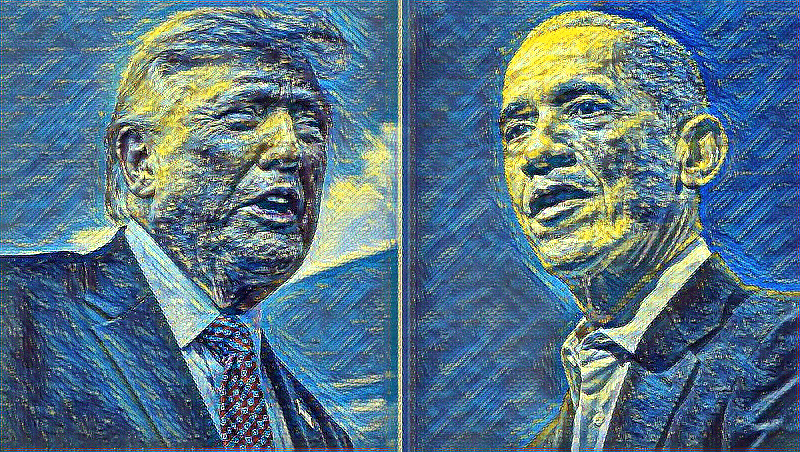
The article analyzes the contrasting US approaches to Iran, comparing the diplomatic framework of the 2015 Joint Comprehensive Plan of Action (JCPOA) under President Obama with the subsequent escalation of tensions under President Trump. After the US withdrew from the JCPOA in 2018, the conflict shifted, giving Iran significant economic leverage through its control over the vital Strait of Hormuz. Any future negotiations, expected to take place in Islamabad, must address both Iran's nuclear program and the critical issue of reopening and stabilizing global trade through the strait. Experts emphasize that the new deal must balance nuclear verification requirements with the global economic necessity of uninterrupted oil and gas flow.

TSMC Reports Record Revenue Jump of 35% Driven by AI Chip Demand
Tech

TSMC Reports Record Revenue Jump of 35% Driven by AI Chip Demand

Taiwan Semiconductor Manufacturing Company (TSMC) announced record revenue for the first quarter, reporting a 35% year-on-year increase to 1.13 trillion TWD ($35.6 billion). This strong performance was primarily driven by sustained, high demand for advanced chips used in Artificial Intelligence (AI) applications. While the company's revenue for March alone rose by 45.2%, the report noted that traditional markets, such as smartphones and PCs, faced slowdowns. Despite these consumer electronics challenges, TSMC maintained its strong position due to consistent orders from major clients like Apple and Nvidia, leading analysts to predict continued robust annual growth.

Xi Jinping Meets Taiwan Leader, Reaffirming China's Claim on Island
Politics

Xi Jinping Meets Taiwan Leader, Reaffirming China's Claim on Island

Chinese leader Xi Jinping met with Cheng Li-wen, the head of Taiwan’s Kuomintang (KMT), in Beijing, where he emphasized global peace while simultaneously reaffirming Beijing's claim over Taiwan. The meeting, the first of its kind in a decade, occurred amidst heightened geopolitical tensions. Xi stressed that while peace is vital, Beijing maintains its opposition to Taiwan's independence and has increased military drills around the island. Taiwan's ruling party is navigating intense pressure from both Beijing and Washington, which is pushing for increased defense spending. Furthermore, Taiwan is expected to be a major talking point during upcoming US-China dialogues, highlighting the island's critical role in the broader US-China technological and trade rivalry.

Oil Prices: Dated Brent Signals Physical Scarcity Amid Middle East Tensions
Markets

Oil Prices: Dated Brent Signals Physical Scarcity Amid Middle East Tensions

The physical oil market, benchmarked by Dated Brent, is experiencing acute stress due to geopolitical concerns, particularly regarding the Middle East and potential disruptions in the Strait of Hormuz. The spot price of Dated Brent rose over 7% to $131.97 per barrel on Thursday, though it remains below its recent record high of $144.42. A significant divergence between the spot price and front-month futures suggests that physical supply remains constrained. Market experts interpret this pricing gap as a reflection of genuine physical scarcity of crude oil, indicating that investors are pricing in tangible supply shortages rather than just market volatility.

EU Big Tech Fines Top $7 Billion; Trump Administration Slams Over-Regulation
Politics

EU Big Tech Fines Top $7 Billion; Trump Administration Slams Over-Regulation

The European Union has imposed substantial fines, exceeding $7 billion, on major technology companies including Google, Apple, and Meta. These penalties stem from alleged violations of the EU's antitrust and competition laws, specifically the Digital Markets Act (DMA) and the Digital Services Act (DSA). The EU maintains that these tough measures are necessary to protect consumers and ensure adherence to European law. Conversely, the Trump administration and U.S. officials have strongly criticized the EU, accusing it of over-regulating the tech sector. They argue that these regulations stifle innovation and pose a threat to Europe's ability to develop in the AI economy. The dispute has escalated into a significant geopolitical and economic tension, with the U.S. even considering tariffs in response to foreign fines.

Gold's Role Questioned: Morgan Stanley Highlights Aluminum's Outperformance
Markets

Gold's Role Questioned: Morgan Stanley Highlights Aluminum's Outperformance

Morgan Stanley has questioned gold's traditional role as a safe-haven asset, noting that it is currently behaving more like a risk asset. While silver has seen strong historical growth driven by solar demand and supply deficits, it has recently experienced a decline, with demand shifts noted in the jewelry sector. Conversely, the firm is highly bullish on aluminum. Aluminum prices are rising sharply due to a combination of global supply constraints and surging electricity demand. This increased demand is primarily fueled by the rapid expansion of AI and data centers, creating a tight market environment for the metal.

US-Iran Peace Talks in Pakistan: What's at Stake for Global Stability?
World

US-Iran Peace Talks in Pakistan: What's at Stake for Global Stability?

High-stakes peace talks between the United States and Iran are scheduled to begin in Islamabad, Pakistan, aiming to stabilize the volatile Middle East. The negotiations, which follow a fragile ceasefire, are complicated by several major points of contention. Key disputes include whether the truce covers Lebanon, the status of the vital Strait of Hormuz, and fundamental disagreements over the negotiating agenda. Iran has presented a 10-point list of demands, including lifting sanctions, while the US has put forth a 15-point proposal focusing on nuclear limitations and reopening the strait. The talks face intense pressure following recent Israeli strikes in Lebanon, raising concerns that the disagreements could lead to a collapse of the ceasefire and renewed regional conflict.

Israel, Iran, and Lebanon Tensions Rise Amid Strait of Hormuz Uncertainty
World

Israel, Iran, and Lebanon Tensions Rise Amid Strait of Hormuz Uncertainty

Tensions are escalating across the Middle East, fueled by ongoing Israeli airstrikes in Lebanon, which threaten to derail any US-Iran ceasefire. Israel has publicly stated its desire for direct negotiations with Lebanon concerning the disarmament of Hezbollah. However, Lebanese officials have expressed reservations about talks while the country remains under active conflict. Meanwhile, diplomatic efforts are focused on high-stakes negotiations between the US and Iran, scheduled to begin in Islamabad. Adding to the regional volatility, the Strait of Hormuz remains highly unstable, with low vessel traffic due to perceived risks, leading experts to question the waterway's current operational status.

Anthropic Weighs Building Own AI Chips Amid Chip Shortage
Tech

Anthropic Weighs Building Own AI Chips Amid Chip Shortage

Artificial intelligence lab Anthropic is reportedly exploring the development of its own custom AI chips due to a global shortage of specialized hardware. This interest is fueled by the rapid success and high demand for its AI model, Claude, which has seen its run-rate revenue surpass $30 billion. While the plans are in early stages, Anthropic has currently secured a long-term deal with Google and Broadcom to help develop TPUs. This effort reflects a broader industry trend, with major competitors like Meta and OpenAI also seeking chip self-sufficiency. However, industry experts note that designing an advanced AI chip is an extremely expensive undertaking, estimated to cost around half a billion dollars.

Melania Trump's Epstein Statement Revives Scandal, Pressuring White House
Politics

Melania Trump's Epstein Statement Revives Scandal, Pressuring White House

Melania Trump addressed the ongoing Jeffrey Epstein scandal at the White House Cross Hall, publicly denying any connection to the late financier and stating that the allegations were false. While the statement aimed to dismiss the controversy, political analysts suggest it may have inadvertently revived the public debate and increased scrutiny on the Trump administration. Critics argue that the remarks attempt to deflect responsibility from federal agencies and the Department of Justice, which are under pressure to release documents related to the case. The timing of the speech was noted as occurring during a period of high political vulnerability for the White House, further intensifying the pressure from both legislative bodies and Epstein's victims.

Global Shocks Threaten Africa: Why the Iran Truce May Be Too Late
World

Global Shocks Threaten Africa: Why the Iran Truce May Be Too Late

African economies are facing severe economic shocks due to global geopolitical conflicts, particularly those involving Iran and major trade chokepoints. These disruptions have caused surging fuel and commodity prices, leading to critical shortages of fertilizer and other agricultural inputs. Experts warn that the timing of temporary truces is insufficient to address deep structural issues like inflation and debt. The crisis is compounded by the coincidence of global tensions with the crucial planting season, threatening regional food security. To mitigate these risks, analysts are urgently calling for African nations to strengthen intra-regional trade and accelerate the implementation of the African Continental Free Trade Area (AfCFTA) to achieve strategic autonomy.

Artemis II Reentry Risk: Experts Question Orion's Heat Shield Safety
Tech

Artemis II Reentry Risk: Experts Question Orion's Heat Shield Safety

The Artemis II mission faces its most critical challenge during Earth reentry, where the Orion spacecraft must survive extreme temperatures while traveling at speeds over 30 times the speed of sound. Concerns have been raised by experts regarding the heat shield, which showed signs of damage following the uncrewed Artemis I test flight. NASA is mitigating this risk by altering the reentry trajectory from a 'skip' to a 'loft' path to create more favorable heating conditions. While NASA officials remain confident in the safety measures and extensive testing, several former experts have publicly criticized the agency for potentially putting astronauts on a vehicle with a known structural flaw. The agency confirmed that future missions, including Artemis III, will utilize updated, more resilient heat shield materials.

Artemis II: Organ Chips and Wearables Track Human Health in Deep Space
Health

Artemis II: Organ Chips and Wearables Track Human Health in Deep Space

The Artemis II mission is conducting unprecedented research into human health in deep space, utilizing advanced technologies to prepare for long-duration missions to the Moon and Mars. Key among these methods is the AVATAR study, which uses bone marrow-derived 'organ chips' to simulate how human organs react to radiation and microgravity. Furthermore, the crew is continuously monitoring the five major hazards of space travel (RIDGE) through multiple data streams. These include wearing biometric wearables, collecting saliva samples to track immune responses, and monitoring radiation levels. The comprehensive data gathered is crucial for developing personalized medical countermeasures, ensuring astronaut safety, and paving the way for sustained human presence beyond Earth orbit.

Alibaba Leads $290M Investment for General World AI Model
Tech

Alibaba Leads $290M Investment for General World AI Model

Alibaba Cloud has spearheaded a $290 million investment into ShengShu, a startup known for its AI video generation tool, Vidu. This move signals a major industry pivot in AI development, moving beyond the limitations of traditional Large Language Models (LLMs) which are primarily text-based. The core objective is to build a 'general world model' capable of replicating the real world's complexity. This new model will be trained on multimodal data, including video and physical scenarios. Ultimately, ShengShu aims to use this technology to bridge the gap between the digital realm (like gaming and AI video) and the physical world (such as autonomous vehicles and robotics).