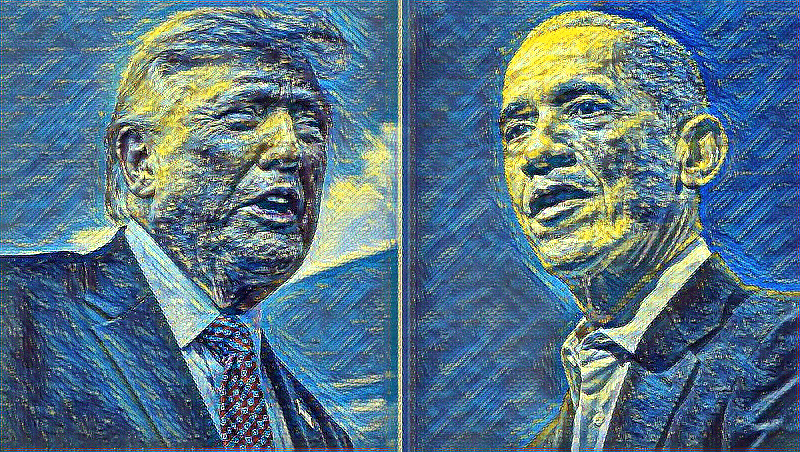
As the US seeks a new agreement with Iran to end escalating tensions, analysts are comparing the diplomatic framework of the 2015 Joint Comprehensive Plan of Action (JCPOA) to the current geopolitical landscape, which is heavily influenced by Iran's control over the Strait of Hormuz.
The JCPOA vs. The Current Conflict
The diplomatic approaches of previous US administrations toward Iran have shown stark contrasts. The 2015 JCPOA, negotiated by President Barack Obama and an international coalition, aimed to curb Iran's nuclear program for a decade. This agreement was highly controversial, particularly in Israel, leading to the US withdrawal in 2018 under the Trump administration.
- JCPOA Focus: Limiting Iran's nuclear ambitions, capping uranium enrichment, and allowing International Atomic Energy Agency (IAEA) inspections.
- JCPOA Exchange: In return for nuclear limitations, Iran was granted the lifting of sanctions and the unfreezing of billions in assets.
Escalation and New Leverage
Following the US withdrawal from the JCPOA, tensions escalated into conflict. While the US and Israel reportedly achieved goals regarding Iran's military and missile capabilities, the conflict shifted the focus to new economic variables.
- Strait of Hormuz Control: Iran has gained significant leverage by asserting control over the Strait of Hormuz, a critical global chokepoint through which a fifth of global oil and a third of world urea fertilizer pass.
- Economic Power: Experts suggest that controlling this vital shipping lane provides Iran with a powerful economic tool, potentially allowing the regime to charge tolls to passing vessels.
Negotiating the Next Agreement
With talks expected to resume in Islamabad, Pakistan, the focus of any future deal must balance nuclear concerns with global economic stability. The core issues for negotiation include:
- Nuclear Verification: Insistence on IAEA inspectors to verify compliance, a key element cited by experts.
- Sanctions and Oil: The lifting of sanctions on Iran's oil exports remains a central demand.
- Strait of Hormuz: Reopening and stabilizing commercial traffic through the strait is considered a central issue for global powers.
Analysts note that while the JCPOA was a complex diplomatic effort, the current negotiations must account for Iran's newfound economic leverage and the need to address the global flow of energy and goods through the Persian Gulf.