Artemis II: Organ Chips and Wearables Track Human Health in Deep Space
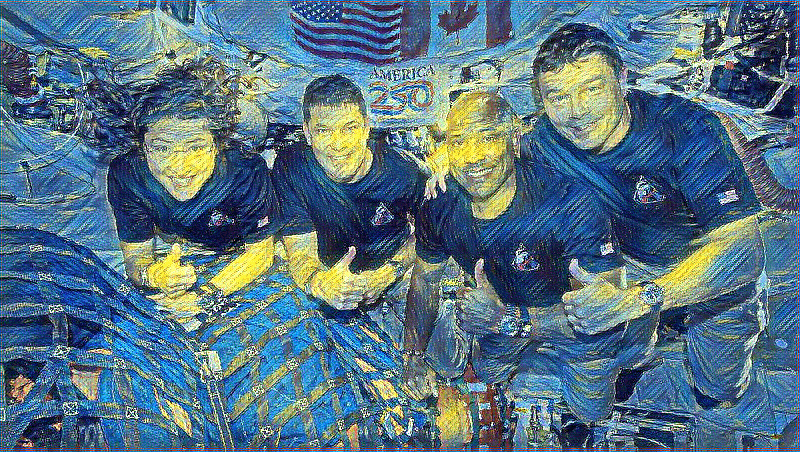
The Artemis II mission is conducting unprecedented research into human health in deep space, utilizing advanced technologies to prepare for long-duration missions to the Moon and Mars. Key among these methods is the AVATAR study, which uses bone marrow-derived 'organ chips' to simulate how human organs react to radiation and microgravity. Furthermore, the crew is continuously monitoring the five major hazards of space travel (RIDGE) through multiple data streams. These include wearing biometric wearables, collecting saliva samples to track immune responses, and monitoring radiation levels. The comprehensive data gathered is crucial for developing personalized medical countermeasures, ensuring astronaut safety, and paving the way for sustained human presence beyond Earth orbit.
Ad slot
The Artemis II mission is pioneering deep space health research by utilizing advanced technologies, including 'organ chips' and continuous biometric monitoring, to understand how the human body responds to the extreme environment of deep space. These groundbreaking methods are essential for preparing astronauts for long-duration missions to the Moon and Mars.
The AVATAR Study: Simulating Deep Space Effects
Before the Artemis II astronauts launched, a unique scientific experiment began: the AVATAR (A Virtual Astronaut Tissue Analog Response) study. This research involves small, USB-sized 'organ chips' made from bone marrow tissue donated by the crew members. These chips allow scientists to simulate the effects of deep space on human organs without risking the astronauts themselves.
Purpose: To study how increased radiation and microgravity impact human health at a granular level.
Advantage: Unlike traditional post-flight medical testing, AVATAR provides real-time data on where and when physiological changes begin.
Immune Response: By focusing on bone marrow, researchers can gather critical data on the crew’s immune responses to deep space radiation, which is vital for developing personalized medical treatments for future long-duration missions.
Monitoring the 5 Hazards of Space Travel (RIDGE)
Ad slot
Space presents multiple physiological challenges, which NASA summarizes using the acronym RIDGE. Monitoring these hazards is crucial for ensuring astronaut safety, especially when traveling beyond Earth's orbit.
RIDGE stands for:
Radiation: Exposure to high levels of cosmic radiation.
Isolation: The psychological effects of being confined in a small space.
Distance from Earth: The psychological and logistical challenges of deep space travel.
Gravity (or lack thereof): The effects of microgravity on the body.
Environment: Potential hostile conditions both inside and outside the spacecraft.
Comprehensive Health Data Collection
The Artemis II crew is collecting multiple types of data to build a comprehensive profile of human resilience in space. This data collection extends far beyond the mission itself.
Biological and Physical Monitoring
Wearable Devices: Astronauts wear watch-like wrist monitors to track movement, sleep patterns, and overall physical activity in real-time. This data is compared against pre- and post-flight evaluations to assess cognition and behavior.
Saliva Samples: Crew members collect saliva samples before, during, and after the mission. These samples are analyzed to measure how radiation and stress impact the immune system and to check for the reactivation of dormant viruses.
Spaceflight Standard Measures: The crew participates in this ongoing study, providing blood, urine, and saliva samples to track cardiovascular health, nutrition, and immune function.
Radiation Sensors: The Orion capsule is equipped with six radiation sensors, and each crew member carries a personal monitor, providing warnings if radiation levels become hazardous due to solar flares.
Psychological and Physical Assessments
Team Dynamics: Scientists monitor how the crew interacts and functions within the confined space, tracking potential stresses and team cohesion.
Reacclimation Training: Upon return to Earth, the astronauts undergo an 'obstacle course' designed to help them reacclimate to Earth's gravity and prepare them for the unique physical challenges of landing on the Moon.