BN

BriefNews — World News, Updated Every Minute

AI's Impact on College Majors: Navigating the Modern Job Market
Business

AI's Impact on College Majors: Navigating the Modern Job Market

The rapid advancement of artificial intelligence (AI) is creating significant uncertainty regarding the value of traditional college majors and career paths. Parents and students are facing the dual challenge of rising tuition costs and escalating student debt, which adds pressure to educational decisions. As AI reshapes the job market, many families are becoming cautious, prioritizing fields perceived as resilient to automation, such as STEM and skilled trades. Experts note that while a degree generally provides long-term financial benefits, the return on investment is highly variable by major. Consequently, many are exploring alternatives like community colleges and vocational programs as more cost-effective and certain routes to employment.


Ad slot
Trump's Extreme Proposals: How the GOP Base Embraces Controversial Ideas
Politics

Trump's Extreme Proposals: How the GOP Base Embraces Controversial Ideas

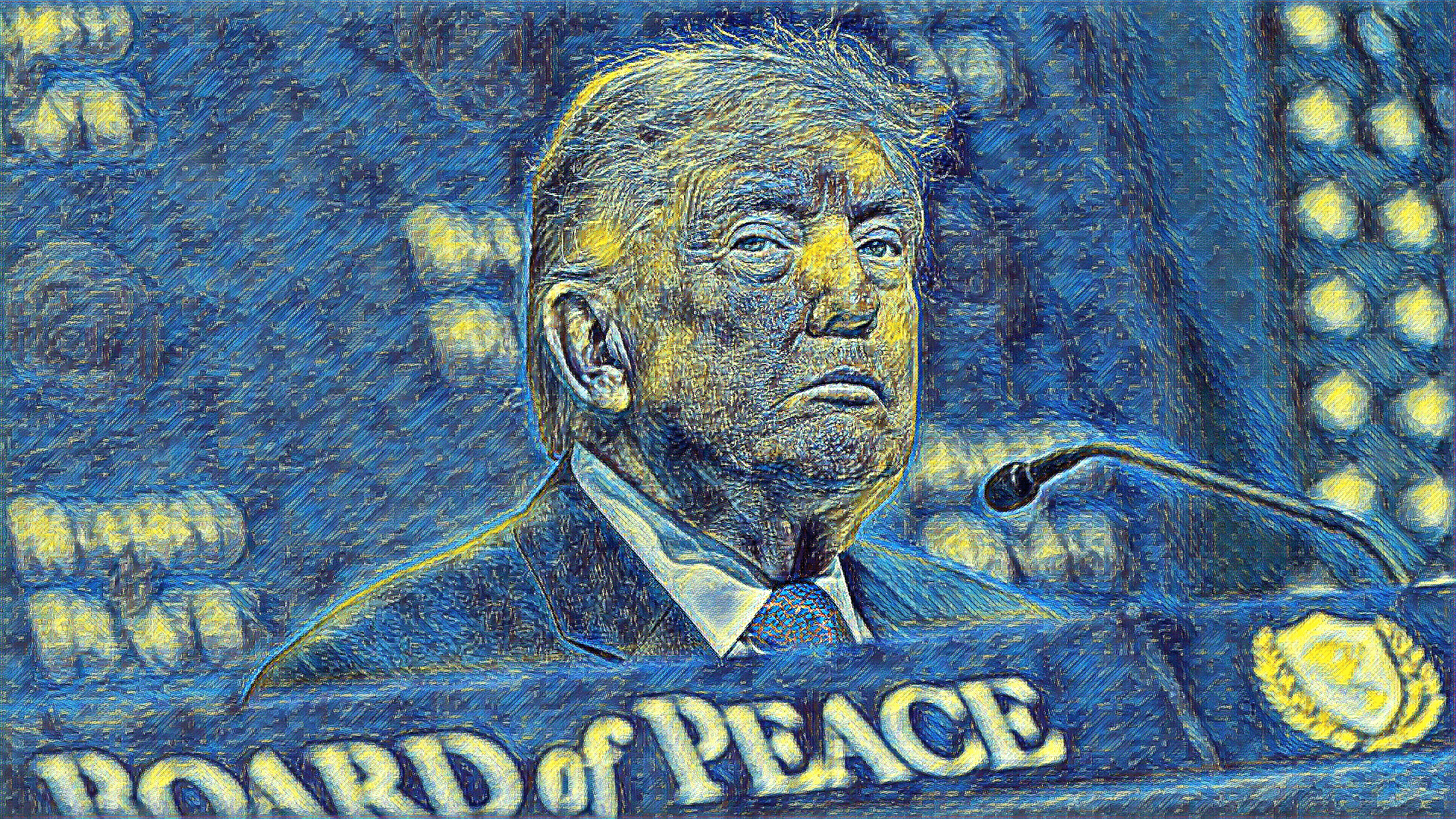
Donald Trump has repeatedly proposed highly controversial and extreme political actions, including threats of military strikes against foreign infrastructure and suggestions of constitutional overreach. Poll data reveals that a significant majority of the Republican base consistently supports these proposals, even when they are potentially illegal or could constitute war crimes. Examples include support for bombing civilian targets in Iran, US intervention in Gaza, and striking cartels in Mexico without foreign government permission. This pattern suggests that Trump is systematically expanding the 'Overton window'—the range of ideas considered politically acceptable—by normalizing increasingly radical rhetoric. The data indicates that his supporters are willing to endorse actions that challenge established legal and diplomatic norms.

Nazi Ancestry Records: New German Search Engine Uncovers Family History
World

Nazi Ancestry Records: New German Search Engine Uncovers Family History

The German newspaper Die Zeit has launched a powerful new search engine that allows the public to query historical Nazi party membership records. Operating in collaboration with archives in Germany and the United States, the tool aims to confront the 'silence born of misplaced shame' regarding the Nazi past. The search engine has seen millions of accesses, prompting users to confront potentially difficult family histories. Experts praise the resource as a significant scholarly boon, noting its crucial role in combating misinformation about the Holocaust and the Nazi period.

Strait of Hormuz: Iran's 'Open' Declaration Meets Operational Confusion
World

Strait of Hormuz: Iran's 'Open' Declaration Meets Operational Confusion

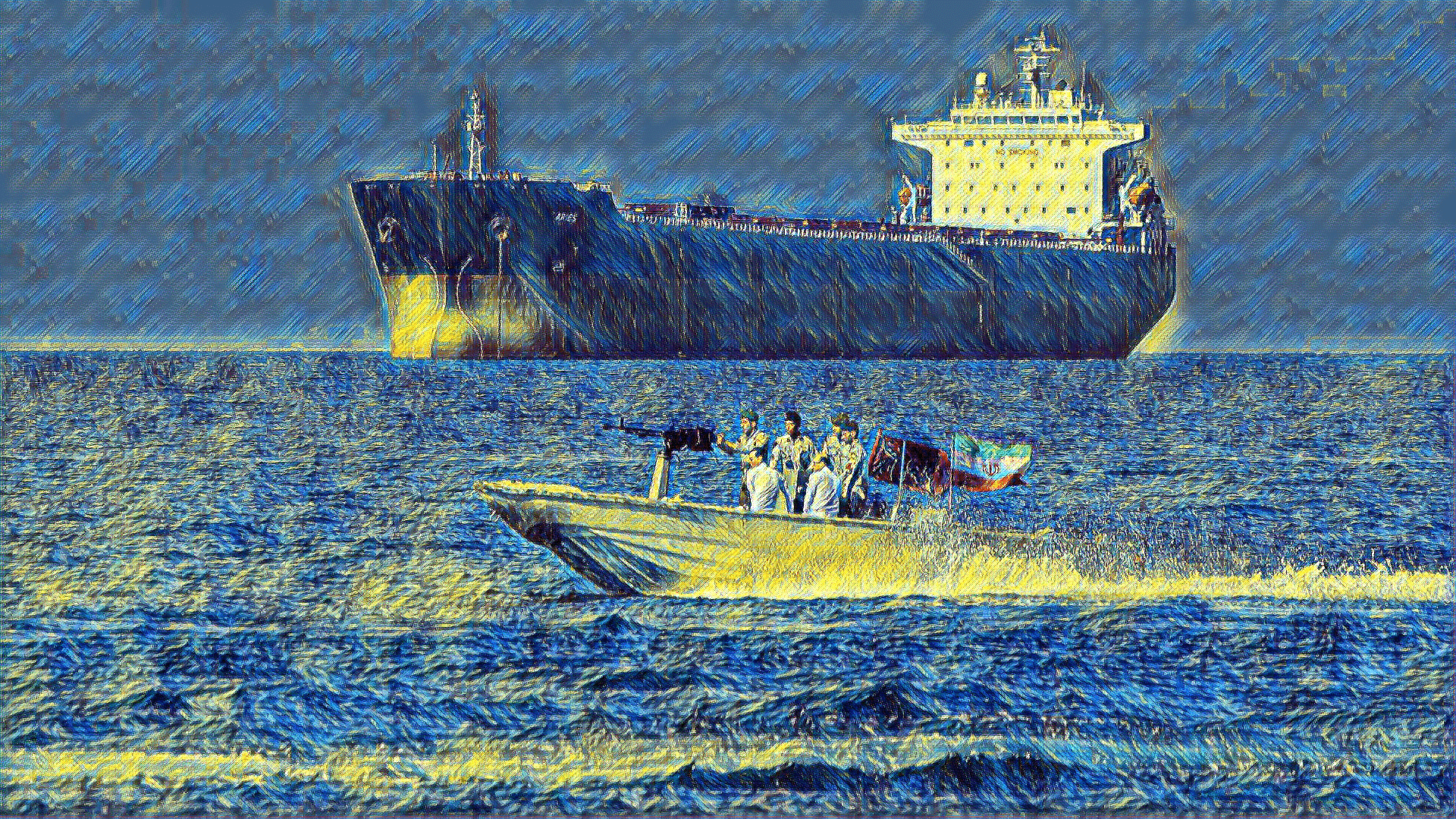
Iran declared the Strait of Hormuz open to commercial shipping, an announcement that caused immediate drops in oil futures contracts, including WTI and Brent crude. However, the operational status of the waterway remains highly contested due to conflicting statements from Iranian officials and the continued presence of U.S. naval blockades. Video evidence shows oil tankers attempting to transit the designated route but subsequently turning back. Maritime analysts warn that the strait is not fully open, pointing to strict Iranian requirements, mandatory routes, and cargo restrictions. Experts conclude that the waterway remains functionally restricted, suggesting the declaration is a 'false dawn' amidst ongoing geopolitical tensions.

Trump's Role in Forcing Ceasefires in Lebanon and Gaza
World

Trump's Role in Forcing Ceasefires in Lebanon and Gaza

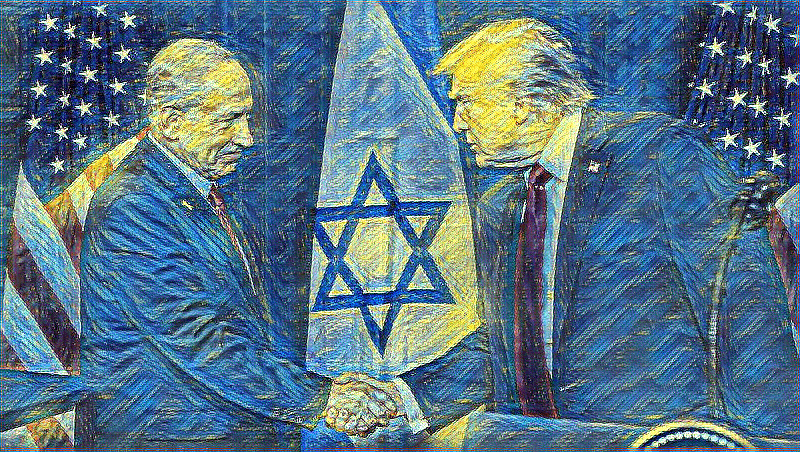
The article analyzes the increasing influence of US President Donald Trump on Israel's military strategy, citing the recent temporary ceasefire in Lebanon as the latest example. After Lebanese President Joseph Aoun declined a predicted call with Prime Minister Benjamin Netanyahu, Trump announced the ceasefire, compelling Israel to comply. Analysts argue that Trump has become the primary external arbiter, dictating critical military pauses in multiple conflicts, including Gaza and Iran. While Netanyahu has publicly vowed that fighting is not over, the necessity of US approval significantly limits Israel's strategic maneuverability. Experts note that despite the temporary ceasefires, adversaries remain resilient, suggesting that future negotiations will be complex and highly charged.

Strait of Hormuz Crisis: How Geopolitical Tensions Impacted Global Oil Markets
Business

Strait of Hormuz Crisis: How Geopolitical Tensions Impacted Global Oil Markets

A conflict involving the United States, Israel, and Iran led to the effective closure of the Strait of Hormuz, triggering a major global oil supply shock. This disruption caused energy prices to spike sharply, pushing US gas prices to record highs and creating significant economic strain. In response, the US Treasury Department adjusted sanctions on Iranian oil at sea on March 20. The situation saw a major turning point on April 17 when Iran confirmed the Strait of Hormuz was open to commercial vessels. This news caused oil prices to plummet and triggered a massive rally in US stock markets, which surged on the expectation of a comprehensive peace agreement, although the US maintained a naval blockade until a final deal was reached.

India Signals Readiness for $80B Boeing Order Amid Mega Trade Deals with US and EU
Business

India Signals Readiness for $80B Boeing Order Amid Mega Trade Deals with US and EU

India is finalizing major trade agreements with both the EU and the U.S., signaling a massive push for economic expansion. With the EU, India will waive tariffs on industrial imports from four European nations in exchange for a $100 billion investment over 15 years. Regarding the U.S., India's Commerce Minister stated the country is ready to order up to $80 billion in Boeing aircraft, with total imports potentially exceeding $100 billion. Separately, former U.S. President Donald Trump announced a comprehensive deal, including India's commitment to buy $500 billion in U.S. goods and significant tariff reductions. Despite the ambitious nature of the announced commitments, the Indian Prime Minister only confirmed his satisfaction with the tariff cuts, without acknowledging the larger financial pledges.

Japan's LDP Projected to Achieve Supermajority in Lower House
Politics

Japan's LDP Projected to Achieve Supermajority in Lower House

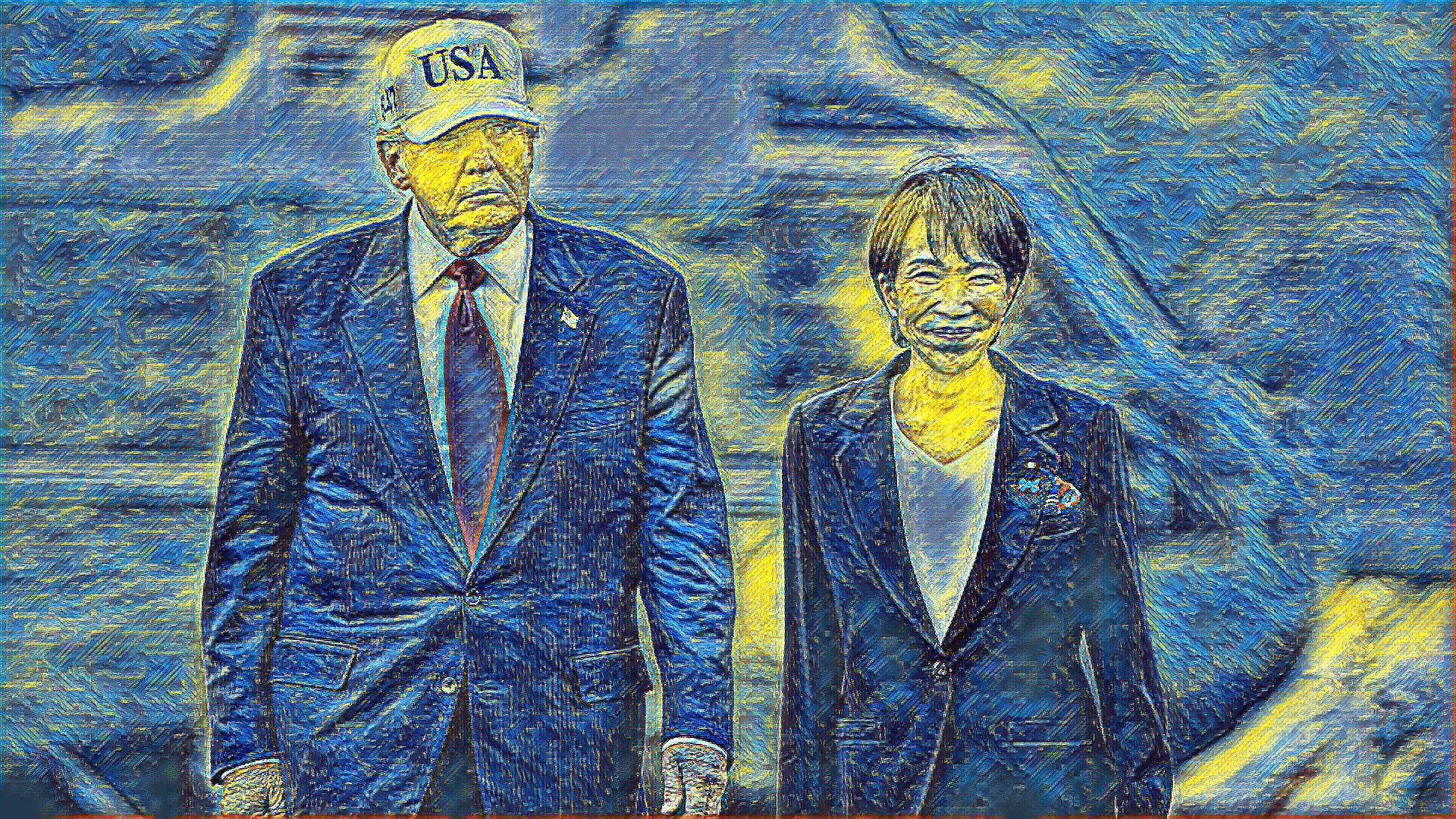
National broadcaster NHK has projected that the ruling coalition, led by the Liberal Democratic Party (LDP) and the Japan Innovation Party (JIP), is poised to achieve a supermajority in Japan's Lower House. This projected strength is significant because it would enable the LDP to override any legislative veto from the Upper House. The forecast suggests the LDP could secure between 274 and 328 seats, while the opposition's largest bloc, the Centrist Reform Alliance, is expected to lose a substantial number of seats. These projections follow the dissolution of the Lower House by Prime Minister Sanae Takaichi on January 23. The analysis suggests that this political maneuver strengthens the ruling coalition's grip on power and legislative agenda.

Takaichi Victory Spurs Nikkei Rally, Yen Strength Amid Debt Concerns
Markets

Takaichi Victory Spurs Nikkei Rally, Yen Strength Amid Debt Concerns

Following a landslide victory in the snap election, Sanae Takaichi's Liberal Democratic Party (LDP) secured a supermajority, significantly boosting her political power to push through legislative agendas. The market reacted strongly, with the Nikkei 225 surging to record highs, fueling expectations of a revival of the 'Takaichi trade.' However, the financial reaction was mixed: while bond yields rose, the Japanese Yen unexpectedly strengthened by 0.4%, contrary to typical market predictions. The central tension remains Takaichi's proposal of a record ¥122 trillion budget, which raises concerns about Japan's already high debt-to-GDP ratio, despite assurances of fiscal responsibility.

Cuba Crisis: US Pressure and Fuel Shortages Intensify Economic Collapse
World

Cuba Crisis: US Pressure and Fuel Shortages Intensify Economic Collapse

Cuba is grappling with a severe economic and humanitarian crisis, intensified by escalating pressure from the United States following a military incident in Venezuela. The U.S. has increased pressure by threatening tariffs and restricting oil supplies, leading to domestic rationing measures for fuel and essential services. The shortage of fuel has prompted international airlines, such as Air Canada, to cancel flights, and the UN has warned of a potential humanitarian collapse. While Mexico has provided humanitarian aid, the crisis highlights Cuba's isolation, making it a critical test case for the geopolitical support offered by the BRICS bloc.

Adani Group Plans $100 Billion Investment in AI Data Centers in India
Business

Adani Group Plans $100 Billion Investment in AI Data Centers in India

The Adani Group announced a monumental $100 billion investment plan to develop AI-ready data centers across India over the next decade. These facilities will be powered by renewable energy and aim to establish the world's largest integrated data center platform by 2035. The investment is projected to create a $250 billion AI infrastructure ecosystem and stimulate an additional $150 billion in spending across supporting industries like server manufacturing and sovereign cloud platforms. The announcement was made during India's AI Impact Summit, reinforcing India's ambition to be a global creator and exporter of AI intelligence. Following the news, shares of Adani Enterprises rose 2.3%, reflecting positive market sentiment.

Iran Partially Closes Strait of Hormuz Amid US Nuclear Talks
World

Iran Partially Closes Strait of Hormuz Amid US Nuclear Talks

Iran temporarily restricted access to the strategically vital Strait of Hormuz, citing security precautions following military drills. This action occurred while the United States and Iran are engaged in diplomatic talks in Geneva concerning Iran's nuclear program. The Strait of Hormuz is a critical global oil choke point, through which approximately 31% of the world's seaborne crude oil flows. While the talks have reportedly achieved an understanding of "guiding principles," officials cautioned that a final agreement remains distant. The closure marks the first time Iran has restricted the waterway since U.S. President Donald Trump threatened military action in January.

Japan Pledges $550B to US: Trump Hails Energy Investments
Business

Japan Pledges $550B to US: Trump Hails Energy Investments

U.S. President Donald Trump welcomed Japan's initial pledge of $36 billion toward developing oil, gas, and critical mineral projects in key U.S. states, including Texas, Ohio, and Georgia. This initial investment is part of a much larger, landmark trade agreement where Tokyo has committed a total of $550 billion to American projects. In exchange for this massive capital infusion, the deal includes tariff reductions for Japan on most of its imports into the U.S. The investments aim to bolster U.S. energy security and economic growth. Officials highlighted major projects, such as a natural gas facility in Ohio expected to generate 9.2 GW, and the $33 billion Portsmouth Powered Land Project, emphasizing the strategic goal of strengthening the U.S.-Japan alliance.

Yoon Suk Yeol Sentenced to Life Imprisonment for Insurrection Attempt
Politics

Yoon Suk Yeol Sentenced to Life Imprisonment for Insurrection Attempt

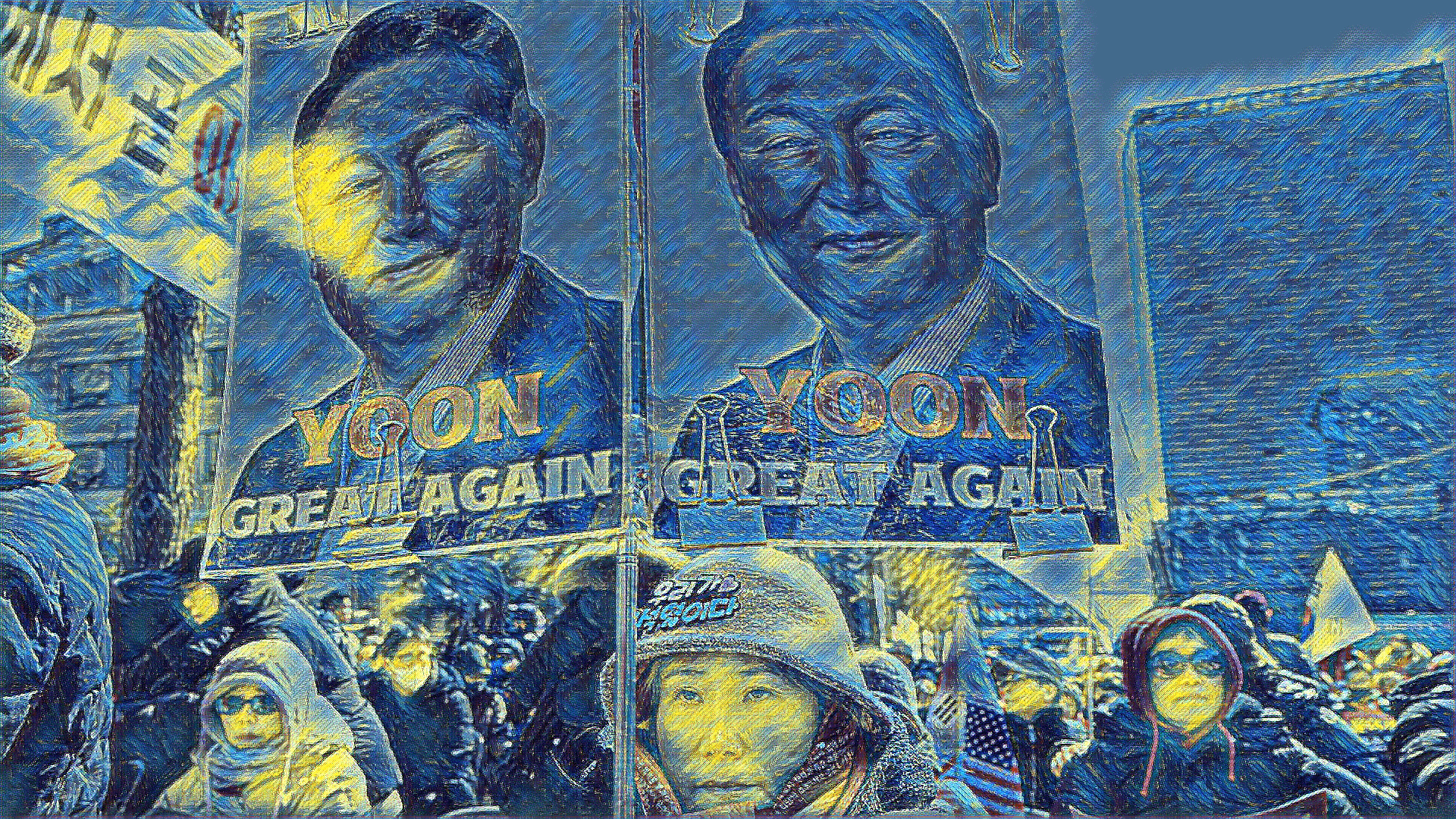
The Seoul Central District Court sentenced former South Korean President Yoon Suk Yeol to life imprisonment for leading an insurrection during his declaration of martial law in December 2024. The court ruled that Yoon actively attempted to subvert the nation's constitutional order, including ordering the military to arrest key figures and attempting to paralyze the National Assembly. Several other senior officials were also convicted and received substantial prison terms, including former Defense Minister Kim Yong-hyun (30 years) and former Prime Minister Han Duck-soo (23 years). The ruling is considered a major legal judgment regarding the failed martial law bid. Yoon's arrest marked a significant historical event, as he was the first sitting president in South Korea to be detained in such an operation.

U.S. Warns Iran to Deal Amid Escalating Drills in Strait of Hormuz
World

U.S. Warns Iran to Deal Amid Escalating Drills in Strait of Hormuz

Tensions between the United States and Iran have reached a critical point, with the U.S. warning Tehran that diplomatic resolution is the best course of action. This warning comes amid reports of potential military action and stalled nuclear negotiations in Switzerland. The geopolitical situation is further complicated by Iran conducting joint naval drills with Russia in the Gulf of Oman and the Strait of Hormuz. The U.S. has simultaneously increased its military presence in the region. Analysts describe the environment as 'extremely dangerous,' citing concerns over the stability of the Strait of Hormuz, a vital global oil choke point. These escalating tensions are keeping international oil prices under close scrutiny.

Trump Considers Iran Strike Amid Nuclear Standoff; Oil Prices Stable
World

Trump Considers Iran Strike Amid Nuclear Standoff; Oil Prices Stable

Tensions escalated between the United States and Iran following the failure of diplomatic talks in Switzerland regarding Iran's nuclear program. President Donald Trump publicly stated that he was considering a limited military strike to pressure Tehran, warning that the world would learn within 10 to 15 days whether a deal or military action would ensue. In response, Iran warned of a "decisive" reaction to any military aggression and increased joint naval drills in the Strait of Hormuz. Despite the high geopolitical risk and military buildup, international oil prices remained stable, with Brent and WTI futures showing only minor fluctuations. Market analysts attributed the price support to a combination of concerns over the Middle East instability, large stockpiling purchases by China, and elevated freight rates.

US Supreme Court Ruling Boosts China's Leverage in US-China Talks
Politics

US Supreme Court Ruling Boosts China's Leverage in US-China Talks

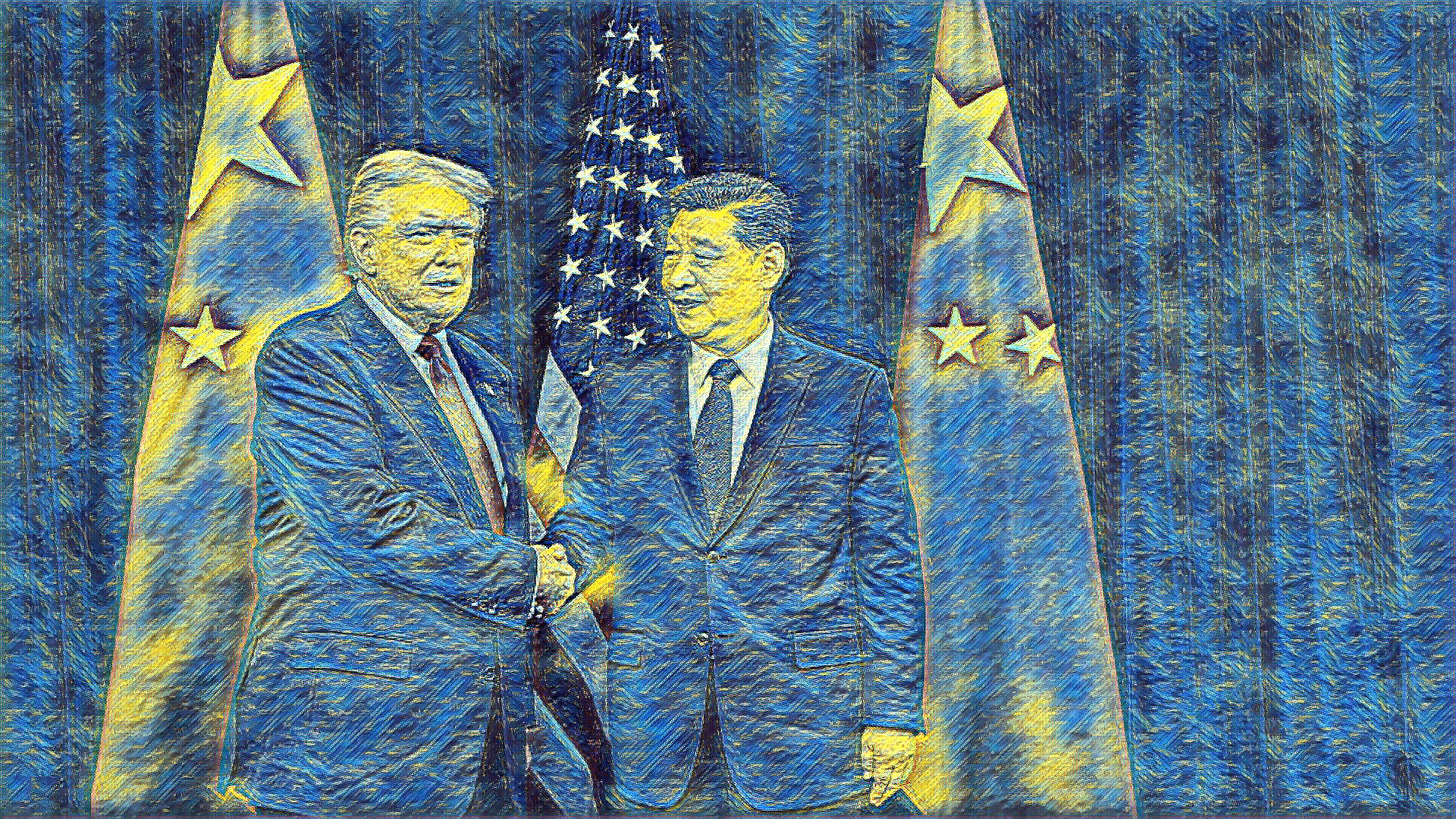
The U.S. Supreme Court ruled that former President Donald Trump improperly used the International Emergency Economic Powers Act (IEEPA) to implement sweeping tariffs, significantly altering the trade landscape. This legal decision has strengthened China's negotiating hand ahead of anticipated high-level summits with the U.S. The ruling allows Beijing to press for major concessions, including easing technology export controls and reducing U.S. support for Taiwan. However, experts warn that the U.S. retains potent non-tariff tools, such as advanced chip export controls and sanctions, which remain key points of tension. Analysts suggest that while the tariff dispute has shifted, the upcoming talks are expected to be primarily political, with the status of Taiwan serving as the central, overriding issue.

Cuba-US Tensions Escalate After Deadly Speedboat Incident; Russia Weighs In
World

Cuba-US Tensions Escalate After Deadly Speedboat Incident; Russia Weighs In

Tensions escalated off the coast of Cuba on February 25, 2026, following a deadly confrontation involving a U.S.-registered speedboat. Cuban authorities reported that border guards fired on the vessel, resulting in the deaths of four people and injuries to six others. Cuba's Interior Ministry claimed the 10 passengers, who were Cuban nationals residing in the U.S., initiated the violence by opening fire on a Cuban patrol boat. In response, Russia stated that the situation in Cuba is escalating, while emphasizing the importance of resolving humanitarian issues. Meanwhile, U.S. Secretary of State Marco Rubio labeled the incident "highly unusual" and announced that the White House would issue a response following an independent investigation.

India's Diplomatic Balancing Act Amid Iran Tensions, China, and US Pressure
World

India's Diplomatic Balancing Act Amid Iran Tensions, China, and US Pressure

India is currently navigating a complex geopolitical environment, balancing tensions in the Iran region, China's push for deeper BRICS cooperation, and the threat of U.S. protectionism. India's response is characterized by a pragmatic, multi-aligned foreign policy, which has seen it avoid condemning the escalating tensions in the Middle East. Experts suggest this cautious approach is primarily driven by India's significant economic vulnerability, particularly concerning its limited energy reserves and financial stability. By maintaining neutrality, New Delhi aims to mitigate risks of supply disruption and financial strain, even as global powers push for clearer alliances.

South Korea Passes Bill for $350B U.S. Investment Pledge Amid Tariff Pressure
Politics

South Korea Passes Bill for $350B U.S. Investment Pledge Amid Tariff Pressure

South Korea's National Assembly passed a special bill to create a state-run investment corporation. This entity is designed to manage a planned $350 billion investment into the U.S., which is intended to secure more favorable tariff rates. The investment is structured to allocate $150 billion toward shipbuilding and $200 billion across various strategic sectors. The legislative action comes amid heightened trade tensions, including threats of increased tariffs from former U.S. President Donald Trump and ongoing Section 301 investigations by the U.S. government.

Justice Department Removes Lead Prosecutor in John Brennan Probe
Politics

Justice Department Removes Lead Prosecutor in John Brennan Probe

The Justice Department has removed Maria Medetis Long, the lead prosecutor investigating former CIA Director John Brennan. Her departure follows reports that she resisted pressure from high-level officials, including Donald Trump, who had demanded swift charges. The investigation focuses on the 2017 intelligence assessment that concluded Russia interfered in the 2016 presidential election. While the probe is actively moving forward—with subpoenas and witness interviews being conducted—prosecutors have signaled that the case is not strong and that charges are not imminent. This slow pace has created tension with top DOJ officials who sought a rapid resolution.

Trump Administration Considers Unfreezing $20 Billion in Iranian Assets Amid Talks
World

Trump Administration Considers Unfreezing $20 Billion in Iranian Assets Amid Talks

The Trump administration is reportedly considering unfreezing $20 billion in Iranian assets as part of ongoing peace negotiations in Tehran. These talks are being mediated by Pakistan, with officials hoping for a potential second round of discussions in Islamabad this weekend. Positive signs include a 10-day ceasefire between Israel and Lebanon and Iran's full reopening of the Strait of Hormuz. However, major sticking points remain, primarily concerning the duration of uranium enrichment suspension and the retrieval of nuclear materials. Furthermore, while the US is considering unfreezing assets in exchange for Iran's nuclear stockpile, Iran has requested sanctions relief far exceeding the $20 billion figure. The process has been marked by conflicting public statements from President Trump, who has made claims regarding the deal's terms that contradict official diplomatic sources.

Strait of Hormuz Opens: Oil Plunges 13%, Dow Surges Amid Ceasefire News
Markets

Strait of Hormuz Opens: Oil Plunges 13%, Dow Surges Amid Ceasefire News

Global oil prices and US stock markets experienced significant volatility following an announcement by the Iranian Foreign Minister declaring the Strait of Hormuz 'completely open' for commercial transit during a ceasefire. This news caused Brent and WTI crude oil benchmarks to plunge by 13%, reaching lows not seen since early March. Conversely, US stocks rallied sharply, with the Dow Jones Industrial Average gaining over 1,000 points, and the S&P 500 and Nasdaq also posting substantial gains. While the reopening of this critical shipping lane provided immediate market relief, political figures clarified that the existing US naval blockade would remain in effect until negotiations with Iran are fully concluded. Analysts advised caution, noting that the stability of the situation remains dependent on the ongoing diplomatic process.

Pope Leo XIV's Cameroon Visit: Addressing Poverty and Global Conflict
World

Pope Leo XIV's Cameroon Visit: Addressing Poverty and Global Conflict

Pope Leo XIV held a massive Mass in Douala, Cameroon, drawing an estimated crowd of over 100,000 attendees as part of a 10-day tour of Africa. During his address, the Pope focused on the challenges of poverty and internal conflict within Cameroon, urging citizens to prioritize spiritual values like faith and family over material wealth. He also used the platform to deliver a global critique, criticizing the vast expenditure on warfare and devastation while noting the lack of resources for healing and education. The event highlighted the strong role of the Catholic Church in Cameroon, which provides essential services like education and healthcare, particularly in regions affected by conflict, such as the Anglophone crisis. The visit underscores the growing influence of Catholicism across the African continent.