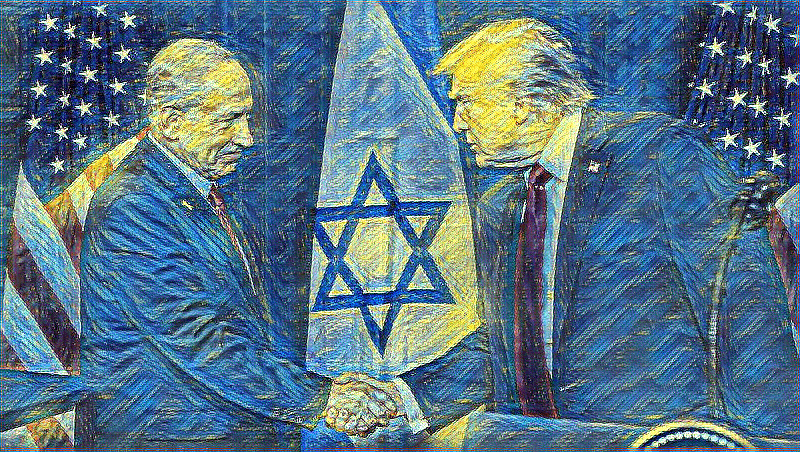
Following the decline of a predicted call between Israeli Prime Minister Benjamin Netanyahu and Lebanese President Joseph Aoun, US President Donald Trump announced a temporary ceasefire, compelling Netanyahu to accept the pause in hostilities.
The Lebanon Ceasefire Announcement
On Thursday, US President Donald Trump announced that a temporary ceasefire would begin at midnight, despite the planned diplomatic contact between Israel and Lebanon failing to materialize. Trump had previously predicted that Netanyahu would speak with Aoun, which would have marked the first direct communication between the two nations in decades, as they maintain no formal diplomatic relations.
However, when Lebanese President Aoun declined the call, Trump proceeded to announce the ceasefire anyway. This event is cited by analysts as the latest example of a pattern where Trump's declarations dictate critical strategic decisions for Israel.
Trump as the Strategic Arbiter
Analysts suggest that Trump has become the primary external determinant of Israel's military actions. According to military analyst Amos Harel, Trump has repeatedly forced Netanyahu's hand, compelling Israel to accept temporary ceasefires in multiple conflicts.
- Lebanon: The recent ceasefire announcement.
- Iran: Trump previously influenced the conclusion of a 12-day war against Iran in June.
- Gaza: Trump pressured Netanyahu into a ceasefire with Hamas.
This pattern suggests that while Israel maintains strong military positions, its strategic maneuverability is significantly constrained by the necessity of US approval.
Historical Context and Geopolitical Implications
Netanyahu has repeatedly affirmed that Israel's military operations are ongoing, despite the temporary pauses. However, the pattern of external intervention has limited Israel's ability to achieve decisive military victories on multiple fronts.
Key points regarding the ongoing conflicts include:
- Gaza: Hamas retains firm control over significant portions of the coastal territory not occupied by Israel.
- Lebanon: Hezbollah remains a formidable threat capable of launching rockets and drones toward Israel.
- Iran: The regime of Supreme Leader Ayatollah Ali Khamenei has transitioned leadership, with the focus shifting to the next round of negotiations.
Despite the temporary ceasefires, Israeli leaders have stated that the country remains prepared to resume military action if necessary. However, the US President has issued direct prohibitions, such as the recent order stating that Israel is 'PROHIBITED' from bombing Lebanon.
Expert Analysis on Future Stability
While Israel has expanded its territorial control in Gaza, Lebanon, and Syria, experts caution that the adversaries have survived the recent pressure. Danny Citrinowicz, an Iran expert, noted that Tehran is unlikely to concede under pressure alone, given its demonstrated capability to impose significant costs on its neighbors and the global economy, regardless of escalating threats from Washington.