BN
|
Warren Buffett Steps Down as Berkshire Hathaway CEO, Ceding Leadership to Greg Abel
Business

Warren Buffett Steps Down as Berkshire Hathaway CEO, Ceding Leadership to Greg Abel

Warren Buffett is concluding his tenure as Chief Executive Officer of Berkshire Hathaway after a remarkable six-decade run. He will transfer the day-to-day management responsibilities to Greg Abel, who has served as Vice-Chairman since 2018. Although Buffett plans to remain Chairman and visit the Omaha headquarters, he intends to step back from active decision-making. The transition is expected to guide the conglomerate's continued operation, though the announcement has caused notable market fluctuations, with Berkshire Hathaway's stock trailing the S&P 500 index in the recent fiscal year.


Ad slot
Meta Launches Muse Spark AI: Strategy to Challenge Google, OpenAI
Tech

Meta Launches Muse Spark AI: Strategy to Challenge Google, OpenAI

Meta has unveiled Muse Spark, a new, purpose-built AI model, signaling a clear strategic direction to integrate advanced artificial intelligence across its core platforms. Muse Spark will power Meta’s AI app and integrate into key products, including Instagram, WhatsApp, Facebook, and Ray-Ban AI smart glasses. The model is designed to streamline daily tasks, such as shopping and trip planning, by drawing context directly from the user's social media content. This launch is viewed as Meta's definitive response to intense competition from rivals like OpenAI, Google, and Apple. The announcement was met with positive market sentiment, reflecting investor confidence in Meta's ability to commercialize its massive AI investments.

IUCN Declares Emperor Penguins, Antarctic Seals Endangered Amid Climate Crisis
World

IUCN Declares Emperor Penguins, Antarctic Seals Endangered Amid Climate Crisis

The International Union for the Conservation of Nature (IUCN) has upgraded the conservation status of the emperor penguin and the Antarctic fur seal to 'Endangered.' These listings attribute the severe decline to global climate change, specifically citing warming ocean waters and melting sea ice. For emperor penguins, the loss of fast ice—their essential breeding and molting habitat—is projected to halve their population by the 2080s. The Antarctic fur seal faces a similar threat, having seen its population drop by over 50% since 1999. Experts note that rising temperatures are causing krill, the primary food source for both species, to migrate into deeper, less accessible waters, compounding the threat to the entire South Atlantic ecosystem.

S&P 500 Earnings Estimates Decline: Pressure Mounts on Stocks
Markets

S&P 500 Earnings Estimates Decline: Pressure Mounts on Stocks

Earnings estimates for the S&P 500 are undergoing a significant downward revision, dropping from an initial projection of 12.2% to 8.5% for Q1. This decline is attributed to several factors, including wildfire-related losses impacting insurance companies, operational issues in the auto and aerospace sectors, and the burden of a strong U.S. dollar on international sales. Despite the slowdown, the market remains under pressure due to its high valuation, with the S&P 500 trading at a P/E ratio well above its historical average. While Big Tech continues to provide positive earnings, the rate of growth is decelerating, putting pressure on other sectors to expand profitability. Analysts are monitoring international markets, particularly Europe and China, for signs of robust growth that could help support the market. However, geopolitical risks, such as potential tariffs, remain a key concern for industry stability.

Tariffs and Global Uncertainty: Markets Price In Lower Earnings Estimates
Markets

Tariffs and Global Uncertainty: Markets Price In Lower Earnings Estimates

The stock market is adjusting its valuation to account for lower corporate earnings, driven by increasing global uncertainty surrounding tariffs and economic slowdowns. Complacency regarding trade policies is fading, leading investors to anticipate that tariffs will result in higher inflation and reduced growth. This apprehension has caused a notable disconnect between stock prices and earnings estimates, with the S&P 500's first-quarter estimates dropping 3.5 percentage points, exceeding historical averages. Experts warn that the risk is not limited to tariffs but represents a 'stew' of headline risks, including growth slowdowns and budgetary issues. Cyclical sectors, such as consumer discretionary and industrials, are particularly vulnerable to these macroeconomic pressures.

S&P 500: Tariffs Fuel Fears of Recession Amid Economic Slowdown
Markets

S&P 500: Tariffs Fuel Fears of Recession Amid Economic Slowdown

Financial markets are experiencing heightened volatility as investors debate whether the economy is facing a mild slowdown or a full recession. The primary source of concern is the potential implementation of various tariffs, which analysts warn could severely impact market estimates. Corporate warnings, such as Delta Air Lines CEO Ed Bastian lowering earnings guidance due to uncertainty, are adding to the caution. Historically, the market's reaction differs significantly between a slowdown and a recession, with sectors like technology performing differently in each scenario. Analysts are closely monitoring the removal of trade barriers, as this is viewed as the critical determinant between a manageable slowdown and a deep economic contraction.

Buffett Passes CEO Role to Greg Abel at Berkshire Hathaway
Business

Buffett Passes CEO Role to Greg Abel at Berkshire Hathaway

During the Berkshire Hathaway Annual Shareholders Meeting on May 3, 2025, Warren Buffett officially transitioned the CEO role to Greg Abel, concluding a six-decade leadership tenure. Buffett's stewardship transformed the company into a financial giant, achieving a compounded annual growth rate of 19.9% and an overall return exceeding 5.5 million percent. While Abel takes over the CEO duties, Buffett will remain Chairman, advising the company while reducing his public visibility. Industry observers noted that despite the leadership change, the core investment culture—characterized by patience, long-term thinking, and value focus—is expected to persist under Abel's guidance.

Warren Buffett: Why Berkshire Hathaway Needs a 'Mega-Deal' Despite Cash Reserves
Business

Warren Buffett: Why Berkshire Hathaway Needs a 'Mega-Deal' Despite Cash Reserves

Warren Buffett recently highlighted a significant paradox at Berkshire Hathaway: the company holds a record $381.6 billion in cash but lacks large, attractive investment opportunities. Buffett, who is set to step down as CEO in 2026, emphasized that the constraint is not capital, but the availability of high-quality assets at sensible prices. While Berkshire recently executed a major purchase of OxyChem for $9.7 billion, the sheer volume of cash reserves presents a strategic challenge. Buffett has consistently warned that cash is a poor long-term asset, preferring to deploy funds into strong businesses. This situation places considerable pressure on his successor, Greg Abel, who must navigate deploying the massive cash hoard while finding the next major growth catalyst for the conglomerate.

BlackRock's 2026 Market Outlook: Focus on AI, Income, and Diversification
Markets

BlackRock's 2026 Market Outlook: Focus on AI, Income, and Diversification

BlackRock has issued its 2026 market outlook, advising investors to adopt a highly precise and diversified approach. According to Jay Jacobs, the firm's chief of equity exchange-traded funds, the market should focus on three pillars: Artificial Intelligence (AI), reliable income generation, and diversification. Jacobs noted that while AI remains a strong, long-term growth driver, the U.S. equity market is highly concentrated in mega-cap tech stocks, posing a significant risk. Furthermore, the expected rate cuts from the Federal Reserve are pressuring traditional cash yields, necessitating that investors actively seek new sources of income. The firm cautioned that traditional 60/40 portfolios are becoming less reliable during periods of volatility. Therefore, the overarching message is that investors must prioritize finding non-correlated assets to manage risk in an increasingly unpredictable market environment.

AI Infrastructure Shift: Power, Nuclear, and Small-Cap Investment Opportunities
Business

AI Infrastructure Shift: Power, Nuclear, and Small-Cap Investment Opportunities

Artificial intelligence is driving a major market shift, moving investment focus from purely software and chips to the physical infrastructure required to support massive data centers. Key constraints include reliable power, advanced cooling, and grid stability. This necessity has fueled a significant resurgence in interest and investment in nuclear energy, including Small Modular Reactors (SMRs), as stable power sources are critical for AI operations. Experts point to small- and mid-cap companies operating in specialized, less competitive infrastructure segments as key growth opportunities. However, analysts caution that the sector is highly volatile and advises investors to prioritize active management and portfolio diversification rather than concentrating investments in any single AI theme.

Global Markets Outperform US: Experts Advise International Diversification
Markets

Global Markets Outperform US: Experts Advise International Diversification

International equities have recently begun outperforming U.S. markets, signaling a potential reversal of the decade-long trend of U.S. market dominance. This shift is attributed to several macroeconomic factors, including a weakening U.S. dollar, improving global fundamentals, and increasing investor concern over U.S. market concentration. Experts point to specific regional opportunities, such as Europe benefiting from deregulation and Japan seeing gains from corporate reforms. Furthermore, strong commodity demand is boosting Latin American markets, while the global semiconductor sector continues to drive growth. Investment strategists advise that investors should consider diversifying globally, suggesting a balanced allocation that favors developed international markets.

Middle East Tensions Spike: Oil Rises 3% After Iran Attacks Energy Hubs
World

Middle East Tensions Spike: Oil Rises 3% After Iran Attacks Energy Hubs

Global oil prices rose sharply, climbing up to 3%, following reports of Iranian missile attacks on critical energy facilities across the Middle East. These strikes, viewed as retaliation for previous attacks on Iran's South Pars gas field, have severely disrupted operations in neighboring countries. Qatar reported extensive damage at its Ras Laffan LNG hub, while the UAE and Saudi Arabia confirmed operational shutdowns and the interception of multiple missiles near Riyadh. The escalating conflict has intensified regional tensions, raising concerns about the stability of the Strait of Hormuz. Market analysts anticipate that geopolitical risks and the potential for further military intervention, including possible U.S. troop deployment, will continue to support high oil prices.

Central Banks Hold Rates: Euro and Yen Strengthen as Dollar Eases Amid Inflation Fears
Markets

Central Banks Hold Rates: Euro and Yen Strengthen as Dollar Eases Amid Inflation Fears

Major central banks, including the ECB, BOJ, and BOE, maintained stable interest rates on Thursday, signaling global caution amid persistent inflation risks. These decisions were heavily influenced by concerns over rising oil prices and geopolitical instability stemming from the Middle East conflict. Consequently, the Euro and Japanese Yen strengthened significantly against their peers, while the U.S. Dollar index eased. The surge in oil prices, which jumped above $110 a barrel, remains a key driver of inflation fears globally. Market analysts noted that while the Fed maintained a wait-and-see approach, the overall focus remains on how energy costs and geopolitical events will shape global economic prospects.

Dollar Drops Amid Reports of US Willingness to End Iran Campaign
Markets

Dollar Drops Amid Reports of US Willingness to End Iran Campaign

The US dollar experienced a decline on Wednesday, while the Euro and Yen rallied, following reports that US President Donald Trump is willing to end the military campaign against Iran. This market movement occurred despite continued regional instability, highlighted by Tehran's attack on an oil tanker near Dubai. Financial analysts noted that despite signs of de-escalation, the dollar remains strongly supported by global safe-haven demand. This support is driven by persistent market concerns regarding the potential duration and expansion of the conflict. While the US is viewed as relatively resilient to oil disruptions, the overall uncertainty surrounding the Middle East conflict continues to influence currency trading.

US Dollar Safe-Haven Appeal Fades Amid Geopolitical Uncertainty
Markets

US Dollar Safe-Haven Appeal Fades Amid Geopolitical Uncertainty

The U.S. dollar experienced a dip on Tuesday amid hopes for an end to the U.S.-Israel-Iran conflict, though it has maintained a strong rebound trajectory since late 2024. However, currency strategists are increasingly bearish, noting that the dollar's safe-haven status is weakening due to multiple macroeconomic and political factors. These pressures include uncertainty surrounding U.S. tariff policies, concerns over Federal Reserve independence, and the rise of global risk premiums. Experts suggest that the dollar's recent gains are modest and that geopolitical de-escalation tends to trigger rapid sell-offs. Overall, the consensus among analysts is that the dollar faces headwinds in the near term.

Dollar Strengthens Against Peers Amid Middle East Conflict Fears
World

Dollar Strengthens Against Peers Amid Middle East Conflict Fears

The U.S. dollar experienced a sharp rally against major global currencies following renewed geopolitical tensions in the Middle East. The primary catalyst was a speech by President Donald Trump, who warned of more aggressive strikes against Iran within the next two to three weeks. Iran responded by issuing warnings of potential 'more crushing, broader and more destructive' attacks against the U.S. and Israel. This heightened risk environment spurred a strong demand for safe-haven assets, causing the dollar index to climb. Furthermore, concerns over potential supply chain disruptions led to a significant increase in Brent crude oil futures. Meanwhile, other major currencies, including the Euro and the British Pound, generally weakened.

Gold Drops Amid Stronger Dollar, Rising Rates Fears After Iran Conflict Escalation
Markets

Gold Drops Amid Stronger Dollar, Rising Rates Fears After Iran Conflict Escalation

Gold prices fell sharply on Thursday, primarily due to escalating tensions following President Donald Trump's announcement of continued U.S. military operations in Iran. This geopolitical development caused the U.S. dollar and oil prices to rise, fueling global inflation concerns. The resulting inflation fears have bolstered expectations of higher interest rates, which typically pressure gold prices as the asset yields no interest. Furthermore, the market was impacted by the significant drop in gold reserves reported by the Turkish central bank. While Asian markets showed varied activity—with India seeing increased premiums and China awaiting a correction—the overall trend was negative, driven by macroeconomic pressures and conflict uncertainty.

OPM Seeks Access to Millions of Federal Workers' Medical Records
Health

OPM Seeks Access to Millions of Federal Workers' Medical Records

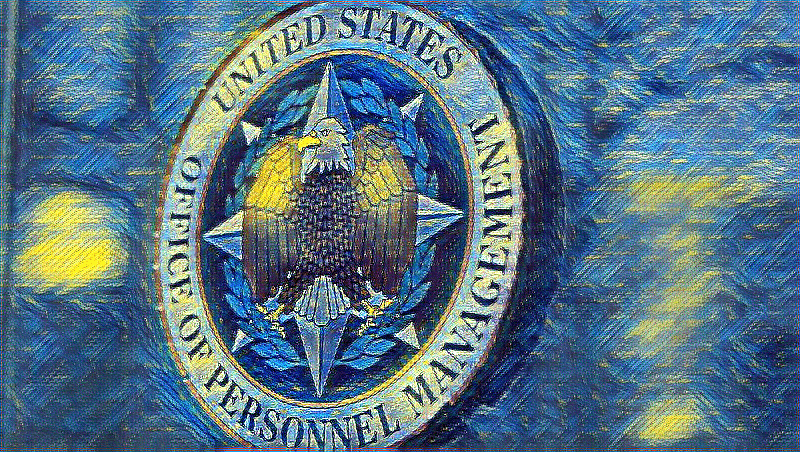
The Office of Personnel Management (OPM) has proposed requiring 65 insurance companies to submit monthly reports containing identifiable health data for over eight million federal workers and retirees. While OPM states the goal is to analyze costs and improve the affordability of health plans, the proposal has generated significant alarm among legal experts and privacy advocates. Critics argue that the request is overly broad and risks violating the Health Insurance Portability and Accountability Act (HIPAA). Concerns center on the potential misuse of the massive dataset, suggesting it could be used for political surveillance or retaliation against employees. Furthermore, experts highlight the lack of clear data protection mechanisms and worry that the scope could allow the tracking of highly sensitive medical information.

DOJ Claims Pam Bondi Not Obligated to Testify on Epstein Case
Politics

DOJ Claims Pam Bondi Not Obligated to Testify on Epstein Case

The Department of Justice (DOJ) has asserted that former Attorney General Pam Bondi is not legally obligated to testify before the House Oversight Committee regarding the Jeffrey Epstein investigation, arguing that the subpoena was issued based on her official capacity and is therefore void since she left office. However, the Oversight Committee, led by Republicans, maintains that the subpoena targets Bondi as an individual, regardless of her former title. Democratic members, including Representative Robert Garcia, reinforced this stance, warning that failure to appear could result in charges of contempt of Congress. Committee members, such as Nancy Mace, stressed that the public demands answers directly from Bondi. The conflict underscores a major procedural and political dispute over the scope of congressional subpoena power and accountability.

U.S. 25th Amendment: Mechanism for Removing a President
Politics

U.S. 25th Amendment: Mechanism for Removing a President

The 25th Amendment of the U.S. Constitution provides the legal framework for removing a president who is deemed incapable of fulfilling their duties. The debate over invoking this clause resurfaced following statements made by Donald Trump regarding the conflict with Iran and associated military threats. To activate the amendment, consensus is required from the Vice President and a majority of the Cabinet, making the process exceptionally difficult. Calls for action have emerged from a wide spectrum of political groups, including Democrats and conservative figures. Experts view these calls as a political warning rather than an indication of an imminent constitutional crisis. The amendment was originally established to ensure clear lines of succession following presidential incapacitation.

China Supercomputer Data Leak: Hacker Allegedly Steals 10 Petabytes of Classified Info
World

China Supercomputer Data Leak: Hacker Allegedly Steals 10 Petabytes of Classified Info

A major cybersecurity incident has surfaced, alleging that a hacker stole over 10 petabytes of highly classified data from China's National Supercomputing Center (NSCC) in Tianjin. The stolen data reportedly includes sensitive materials such as missile blueprints, defense documents, and advanced military research, making it a significant potential breach of national security. The data was allegedly leaked via a Telegram channel by a group calling itself 'FlamingChina,' which offered the data for sale in cryptocurrency. Cybersecurity experts reviewed sample data and found it authentic, suggesting the theft was possible through a compromised VPN and a 'botnet' over several months. The incident has drawn international attention to the systemic cybersecurity vulnerabilities within China's critical technological infrastructure.

The Boys Season 5 Finale: Release Dates and Story Recap
Entertainment

The Boys Season 5 Finale: Release Dates and Story Recap

The fifth and final season of 'The Boys' is set to premiere on Prime Video, continuing the satirical critique of superheroes and corporate power. The season promises a climactic confrontation between Billy Butcher's anti-hero group and the powerful, corrupt figures controlled by Vought International. The narrative builds upon the events of Season 4, where Homelander advanced his political agenda following the death of Vice President Victoria Neuman. Key plot threads include the role of Homelander's son, Ryan, and the confirmed survival of the powerful hero, Soldier Boy. The season will run from April 8 to May 20, culminating in the finale. Furthermore, the franchise is expanding into multiple spinoffs, including 'Gen V' and 'Vought Rising,' to explore different eras and characters within the superhero universe.

Oil Prices Falling: Why Gasoline Won't Return to Pre-War Levels Soon
Markets

Oil Prices Falling: Why Gasoline Won't Return to Pre-War Levels Soon

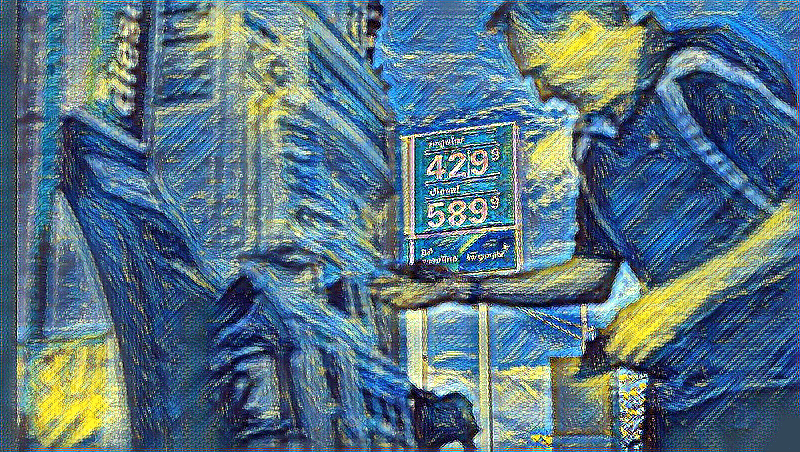
Crude oil futures are falling following reports of a ceasefire and the potential reopening of the Strait of Hormuz. However, market analysts caution that gasoline prices are unlikely to return to pre-war levels of $3 per gallon anytime soon. The primary obstacles include restoring confidence in the Strait of Hormuz, which is a critical global oil transit point, and rebuilding damaged oil infrastructure across the Persian Gulf nations. Furthermore, the potential imposition of new transit fees or tolls by regional powers could significantly increase the cost of transporting oil. Due to these deep geopolitical and logistical risks, the global market remains highly volatile, suggesting that price stability and a full resumption of global shipping routes are necessary before a major drop in consumer gasoline prices can occur.

Artemis II Astronauts Experience 'Overview Effect' Viewing Earth from Space
World

Artemis II Astronauts Experience 'Overview Effect' Viewing Earth from Space

During the Artemis II mission, astronauts experienced the 'Overview Effect' after viewing Earth and the Moon from orbit. This phenomenon, coined by Frank White, describes the profound shift in perspective that occurs when humans view Earth as a unified, fragile blue marble, transcending political boundaries. Astronauts like Christina Koch emphasized that the planet's survival depends entirely on its thin atmosphere, which is visible from space. The experience has prompted a renewed sense of global responsibility, leading figures like Mark Kelly and William Shatner to reflect on humanity's duty to protect the planet. Ultimately, the mission reinforces the idea that despite the drive for cosmic exploration, Earth remains humanity's singular and irreplaceable home.