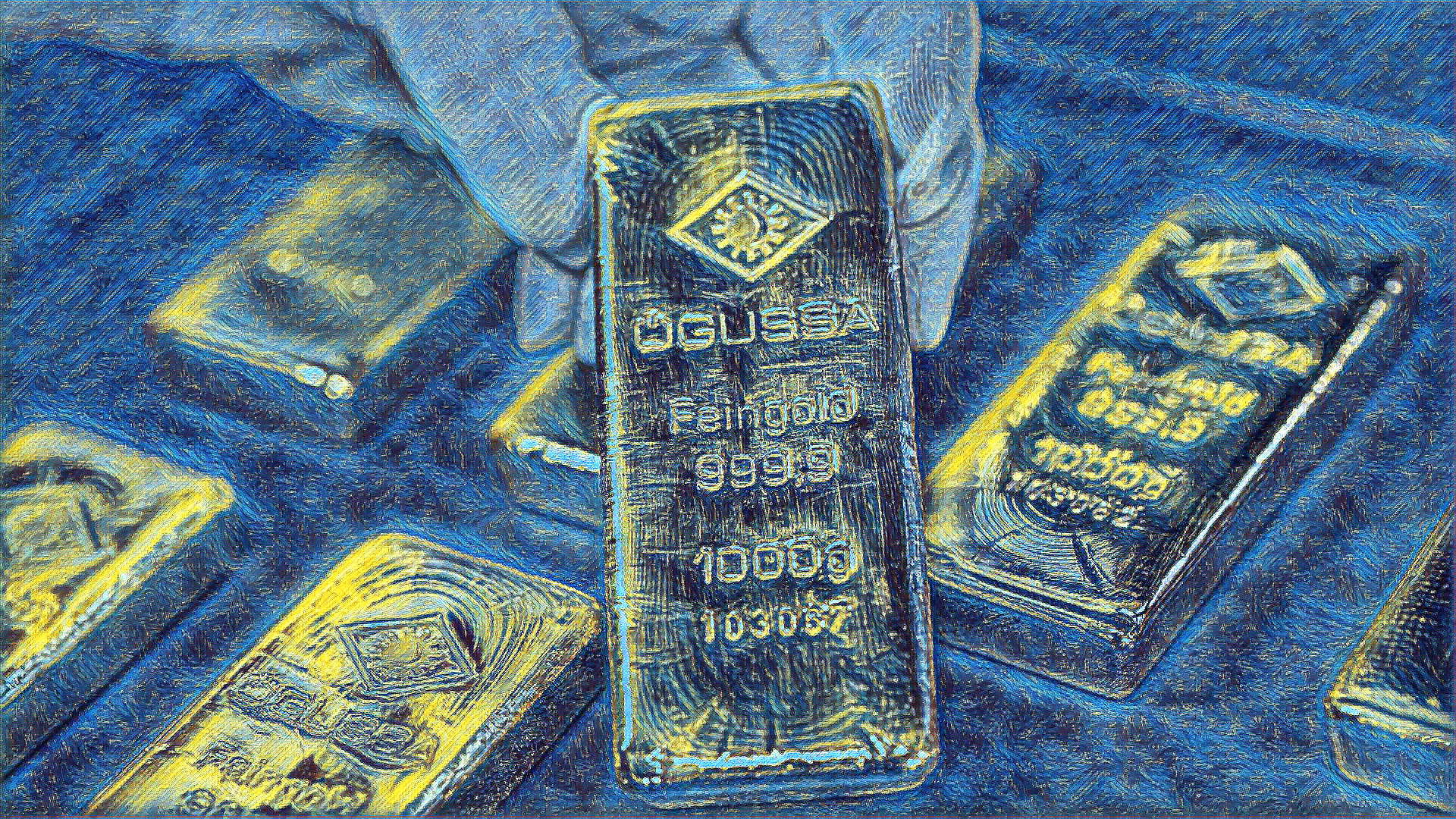
Gold prices declined sharply on Thursday, driven by escalating tensions in Iran and subsequent fears of higher global interest rates and a strengthening U.S. dollar.
Market Decline and Conflict Triggers
Spot gold experienced a significant downturn, falling 3.6% to $4,587.55 per ounce, after previously reaching a two-week high. U.S. gold futures mirrored this decline, dropping 2.7% to $4,679.70.
The primary catalyst for the sell-off was a televised statement by U.S. President Donald Trump, who announced the U.S. commitment to continuing military operations in Iran over the coming weeks.
Economic Headwinds and Rate Expectations
The geopolitical announcement immediately impacted global commodity pricing, leading to several key economic pressures:
- Strengthening Dollar: The U.S. dollar rose sharply, making gold-priced bullion less accessible for holders of other currencies.
- Oil Price Surge: Higher energy prices climbed, which feeds into broader inflation concerns.
- Rate Hike Fears: Increased inflation reduces the scope for central banks to implement rate cuts. Since gold is a non-yielding asset, high interest rate expectations are generally unfavorable to its price.
Market analysts noted that the focus on the conflict offered little indication of a quick resolution to the energy situation, weighing negatively on gold and silver prices.
Global Reserve and Regional Trends
Gold's performance was further influenced by global central bank activity and regional demand shifts:
- Turkish Reserves: Sentiment was negatively affected by news that the Turkish central bank's gold reserves dropped by 69.1 metric tons last week, marking a significant reduction in the last two weeks.
- Asian Markets: Trading showed regional divergence. In India, gold traded at a premium for the first time in two months, boosting local demand. Conversely, premiums in China saw a slight dip as buyers awaited a deeper market correction.