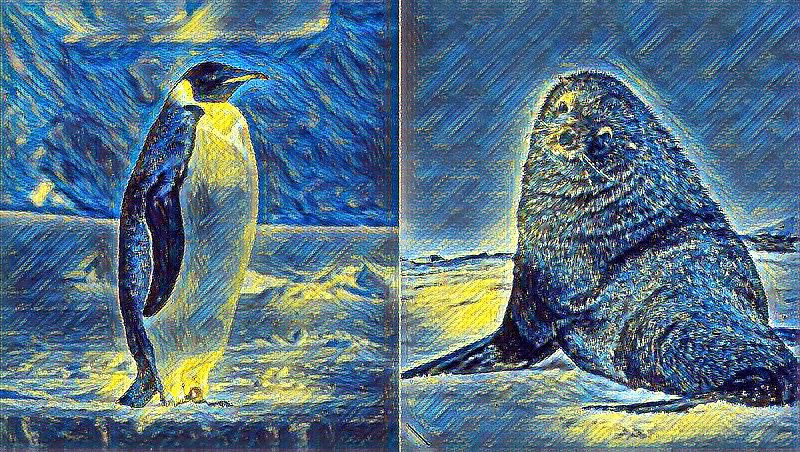
The International Union for the Conservation of Nature (IUCN) has upgraded the conservation status of the emperor penguin and the Antarctic fur seal to 'Endangered.' These listings attribute the severe decline to global climate change, specifically citing warming ocean waters and melting sea ice. For emperor penguins, the loss of fast ice—their essential breeding and molting habitat—is projected to halve their population by the 2080s. The Antarctic fur seal faces a similar threat, having seen its population drop by over 50% since 1999. Experts note that rising temperatures are causing krill, the primary food source for both species, to migrate into deeper, less accessible waters, compounding the threat to the entire South Atlantic ecosystem.
Ad slot
The International Union for the Conservation of Nature (IUCN) has upgraded the conservation status of two iconic Antarctic species—the emperor penguin and the Antarctic fur seal—to 'Endangered,' citing severe threats posed by climate change.
IUCN Red List Assessment
The IUCN Red List is the authoritative global census for species at risk, detailing both the threat level and the causes of decline. The new assessments highlight that warming ocean waters, melting sea ice, and declining food availability are the primary drivers pushing these charismatic megafauna toward extinction.
Note on Classification: The IUCN Red List classification is separate from national laws, such as the U.S. Endangered Species Act (ESA). The emperor penguin was previously listed as “threatened” under the ESA in 2022.
Emperor Penguin Status Change
The emperor penguin is being moved from “Near Threatened” to “Endangered” on the IUCN Red List. This downgrade is based on alarming population projections and habitat loss.
Population Decline: New models project that the emperor penguin population could be cut in half by the 2080s.
Habitat Loss: Satellite data indicates that the species lost over 20,000 adult penguins between 2009 and 2018, representing a 10% population loss in that period alone.
Primary Threat: According to IUCN working group members, the main factor driving the decline is the early breakup and loss of sea ice, which is crucial for their survival.
The Role of Sea Ice
Ad slot
Sea ice is the emperor penguin's primary habitat. Experts noted that the species relies on this ice for critical life functions:
Breeding: They breed on fast ice (sea ice connected to the coastline).
Molting: They molt on fast ice or ice floes.
Feeding: They feed within the sea ice in polynyas, leads, and cracks.
Since 2016, the decline in seasonal sea ice has led to increased or complete breeding failure in nearly half of the known Antarctic colonies.
Antarctic Fur Seal Decline
Similarly, the Antarctic fur seal is being upgraded from “Least Concern” to “Endangered.” This status change follows a significant population decline.
Population Drop: The seal population has shrunk by more than 50 percent between 1999 and 2025.
Food Source Impact: The decline is directly linked to climate change, which is disrupting the availability of krill, the seals' main food source.
Krill Migration and Accessibility
As surface water temperatures near Antarctica rise, krill are forced to move farther offshore and into deeper, colder waters. This migration makes the krill significantly less accessible to land-based predators like the fur seals.