BN
|
Iran Deal: Comparing Trump's Approach to Obama's JCPOA
World

Iran Deal: Comparing Trump's Approach to Obama's JCPOA

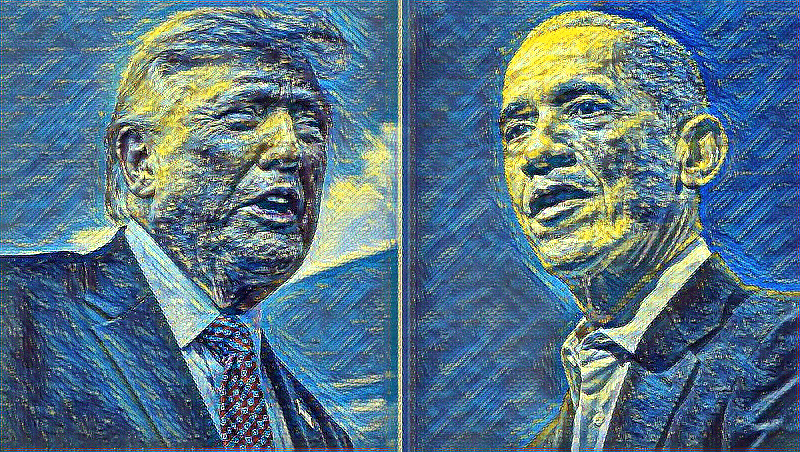
The article analyzes the contrasting US approaches to Iran, comparing the diplomatic framework of the 2015 Joint Comprehensive Plan of Action (JCPOA) under President Obama with the subsequent escalation of tensions under President Trump. After the US withdrew from the JCPOA in 2018, the conflict shifted, giving Iran significant economic leverage through its control over the vital Strait of Hormuz. Any future negotiations, expected to take place in Islamabad, must address both Iran's nuclear program and the critical issue of reopening and stabilizing global trade through the strait. Experts emphasize that the new deal must balance nuclear verification requirements with the global economic necessity of uninterrupted oil and gas flow.

Ad slot
TSMC Reports Record Revenue Jump of 35% Driven by AI Chip Demand
Tech

TSMC Reports Record Revenue Jump of 35% Driven by AI Chip Demand

Taiwan Semiconductor Manufacturing Company (TSMC) announced record revenue for the first quarter, reporting a 35% year-on-year increase to 1.13 trillion TWD ($35.6 billion). This strong performance was primarily driven by sustained, high demand for advanced chips used in Artificial Intelligence (AI) applications. While the company's revenue for March alone rose by 45.2%, the report noted that traditional markets, such as smartphones and PCs, faced slowdowns. Despite these consumer electronics challenges, TSMC maintained its strong position due to consistent orders from major clients like Apple and Nvidia, leading analysts to predict continued robust annual growth.

Xi Jinping Meets Taiwan Leader, Reaffirming China's Claim on Island
Politics

Xi Jinping Meets Taiwan Leader, Reaffirming China's Claim on Island

Chinese leader Xi Jinping met with Cheng Li-wen, the head of Taiwan’s Kuomintang (KMT), in Beijing, where he emphasized global peace while simultaneously reaffirming Beijing's claim over Taiwan. The meeting, the first of its kind in a decade, occurred amidst heightened geopolitical tensions. Xi stressed that while peace is vital, Beijing maintains its opposition to Taiwan's independence and has increased military drills around the island. Taiwan's ruling party is navigating intense pressure from both Beijing and Washington, which is pushing for increased defense spending. Furthermore, Taiwan is expected to be a major talking point during upcoming US-China dialogues, highlighting the island's critical role in the broader US-China technological and trade rivalry.

Oil Prices: Dated Brent Signals Physical Scarcity Amid Middle East Tensions
Markets

Oil Prices: Dated Brent Signals Physical Scarcity Amid Middle East Tensions

The physical oil market, benchmarked by Dated Brent, is experiencing acute stress due to geopolitical concerns, particularly regarding the Middle East and potential disruptions in the Strait of Hormuz. The spot price of Dated Brent rose over 7% to $131.97 per barrel on Thursday, though it remains below its recent record high of $144.42. A significant divergence between the spot price and front-month futures suggests that physical supply remains constrained. Market experts interpret this pricing gap as a reflection of genuine physical scarcity of crude oil, indicating that investors are pricing in tangible supply shortages rather than just market volatility.

EU Big Tech Fines Top $7 Billion; Trump Administration Slams Over-Regulation
Politics

EU Big Tech Fines Top $7 Billion; Trump Administration Slams Over-Regulation

The European Union has imposed substantial fines, exceeding $7 billion, on major technology companies including Google, Apple, and Meta. These penalties stem from alleged violations of the EU's antitrust and competition laws, specifically the Digital Markets Act (DMA) and the Digital Services Act (DSA). The EU maintains that these tough measures are necessary to protect consumers and ensure adherence to European law. Conversely, the Trump administration and U.S. officials have strongly criticized the EU, accusing it of over-regulating the tech sector. They argue that these regulations stifle innovation and pose a threat to Europe's ability to develop in the AI economy. The dispute has escalated into a significant geopolitical and economic tension, with the U.S. even considering tariffs in response to foreign fines.

Gold's Role Questioned: Morgan Stanley Highlights Aluminum's Outperformance
Markets

Gold's Role Questioned: Morgan Stanley Highlights Aluminum's Outperformance

Morgan Stanley has questioned gold's traditional role as a safe-haven asset, noting that it is currently behaving more like a risk asset. While silver has seen strong historical growth driven by solar demand and supply deficits, it has recently experienced a decline, with demand shifts noted in the jewelry sector. Conversely, the firm is highly bullish on aluminum. Aluminum prices are rising sharply due to a combination of global supply constraints and surging electricity demand. This increased demand is primarily fueled by the rapid expansion of AI and data centers, creating a tight market environment for the metal.

US-Iran Peace Talks in Pakistan: What's at Stake for Global Stability?
World

US-Iran Peace Talks in Pakistan: What's at Stake for Global Stability?

High-stakes peace talks between the United States and Iran are scheduled to begin in Islamabad, Pakistan, aiming to stabilize the volatile Middle East. The negotiations, which follow a fragile ceasefire, are complicated by several major points of contention. Key disputes include whether the truce covers Lebanon, the status of the vital Strait of Hormuz, and fundamental disagreements over the negotiating agenda. Iran has presented a 10-point list of demands, including lifting sanctions, while the US has put forth a 15-point proposal focusing on nuclear limitations and reopening the strait. The talks face intense pressure following recent Israeli strikes in Lebanon, raising concerns that the disagreements could lead to a collapse of the ceasefire and renewed regional conflict.

Israel, Iran, and Lebanon Tensions Rise Amid Strait of Hormuz Uncertainty
World

Israel, Iran, and Lebanon Tensions Rise Amid Strait of Hormuz Uncertainty

Tensions are escalating across the Middle East, fueled by ongoing Israeli airstrikes in Lebanon, which threaten to derail any US-Iran ceasefire. Israel has publicly stated its desire for direct negotiations with Lebanon concerning the disarmament of Hezbollah. However, Lebanese officials have expressed reservations about talks while the country remains under active conflict. Meanwhile, diplomatic efforts are focused on high-stakes negotiations between the US and Iran, scheduled to begin in Islamabad. Adding to the regional volatility, the Strait of Hormuz remains highly unstable, with low vessel traffic due to perceived risks, leading experts to question the waterway's current operational status.

Anthropic Weighs Building Own AI Chips Amid Chip Shortage
Tech

Anthropic Weighs Building Own AI Chips Amid Chip Shortage

Artificial intelligence lab Anthropic is reportedly exploring the development of its own custom AI chips due to a global shortage of specialized hardware. This interest is fueled by the rapid success and high demand for its AI model, Claude, which has seen its run-rate revenue surpass $30 billion. While the plans are in early stages, Anthropic has currently secured a long-term deal with Google and Broadcom to help develop TPUs. This effort reflects a broader industry trend, with major competitors like Meta and OpenAI also seeking chip self-sufficiency. However, industry experts note that designing an advanced AI chip is an extremely expensive undertaking, estimated to cost around half a billion dollars.

Melania Trump's Epstein Statement Revives Scandal, Pressuring White House
Politics

Melania Trump's Epstein Statement Revives Scandal, Pressuring White House

Melania Trump addressed the ongoing Jeffrey Epstein scandal at the White House Cross Hall, publicly denying any connection to the late financier and stating that the allegations were false. While the statement aimed to dismiss the controversy, political analysts suggest it may have inadvertently revived the public debate and increased scrutiny on the Trump administration. Critics argue that the remarks attempt to deflect responsibility from federal agencies and the Department of Justice, which are under pressure to release documents related to the case. The timing of the speech was noted as occurring during a period of high political vulnerability for the White House, further intensifying the pressure from both legislative bodies and Epstein's victims.

Global Shocks Threaten Africa: Why the Iran Truce May Be Too Late
World

Global Shocks Threaten Africa: Why the Iran Truce May Be Too Late

African economies are facing severe economic shocks due to global geopolitical conflicts, particularly those involving Iran and major trade chokepoints. These disruptions have caused surging fuel and commodity prices, leading to critical shortages of fertilizer and other agricultural inputs. Experts warn that the timing of temporary truces is insufficient to address deep structural issues like inflation and debt. The crisis is compounded by the coincidence of global tensions with the crucial planting season, threatening regional food security. To mitigate these risks, analysts are urgently calling for African nations to strengthen intra-regional trade and accelerate the implementation of the African Continental Free Trade Area (AfCFTA) to achieve strategic autonomy.

Artemis II Reentry Risk: Experts Question Orion's Heat Shield Safety
Tech

Artemis II Reentry Risk: Experts Question Orion's Heat Shield Safety

The Artemis II mission faces its most critical challenge during Earth reentry, where the Orion spacecraft must survive extreme temperatures while traveling at speeds over 30 times the speed of sound. Concerns have been raised by experts regarding the heat shield, which showed signs of damage following the uncrewed Artemis I test flight. NASA is mitigating this risk by altering the reentry trajectory from a 'skip' to a 'loft' path to create more favorable heating conditions. While NASA officials remain confident in the safety measures and extensive testing, several former experts have publicly criticized the agency for potentially putting astronauts on a vehicle with a known structural flaw. The agency confirmed that future missions, including Artemis III, will utilize updated, more resilient heat shield materials.

Artemis II: Organ Chips and Wearables Track Human Health in Deep Space
Health

Artemis II: Organ Chips and Wearables Track Human Health in Deep Space

The Artemis II mission is conducting unprecedented research into human health in deep space, utilizing advanced technologies to prepare for long-duration missions to the Moon and Mars. Key among these methods is the AVATAR study, which uses bone marrow-derived 'organ chips' to simulate how human organs react to radiation and microgravity. Furthermore, the crew is continuously monitoring the five major hazards of space travel (RIDGE) through multiple data streams. These include wearing biometric wearables, collecting saliva samples to track immune responses, and monitoring radiation levels. The comprehensive data gathered is crucial for developing personalized medical countermeasures, ensuring astronaut safety, and paving the way for sustained human presence beyond Earth orbit.

Alibaba Leads $290M Investment for General World AI Model
Tech

Alibaba Leads $290M Investment for General World AI Model

Alibaba Cloud has spearheaded a $290 million investment into ShengShu, a startup known for its AI video generation tool, Vidu. This move signals a major industry pivot in AI development, moving beyond the limitations of traditional Large Language Models (LLMs) which are primarily text-based. The core objective is to build a 'general world model' capable of replicating the real world's complexity. This new model will be trained on multimodal data, including video and physical scenarios. Ultimately, ShengShu aims to use this technology to bridge the gap between the digital realm (like gaming and AI video) and the physical world (such as autonomous vehicles and robotics).

China Factory Prices Return to Growth Amid Oil Surge, Signaling Economic Recovery
Markets

China Factory Prices Return to Growth Amid Oil Surge, Signaling Economic Recovery

China's factory-gate prices rebounded in March, marking the first growth in over three years, while consumer inflation moderated. This economic recovery signal is set against a backdrop of sharply rising global oil prices, driven by the U.S.-Iran conflict and disruptions in the Strait of Hormuz. The surge in energy costs presents a significant inflationary risk, potentially slowing China's real GDP growth. While the country benefits from strategic oil reserves and energy diversification, economists warn that sustained high oil prices could trigger inflationary pressures, complicating monetary policy decisions. Policymakers are navigating the challenge of supporting industrial recovery while managing input-cost shocks.

Geopolitics and Oil: Markets React to Iran's Strait of Hormuz Standoff
World

Geopolitics and Oil: Markets React to Iran's Strait of Hormuz Standoff

Global markets displayed a mixed reaction to geopolitical tensions, with U.S. equities rising following a fragile two-week ceasefire between the U.S. and Iran. However, energy markets signaled pessimism, as oil prices surged due to ongoing restrictions on the vital Strait of Hormuz. Tensions remain high, highlighted by reports of Iran planning to charge cryptocurrency tolls and a reported attack on a critical Saudi Arabian pipeline. Furthermore, the article detailed broader developments, including the U.S. considering a mandatory military draft for young men and major AI model releases from Meta and Anthropic.

Fast Retailing Shares Hit Record High After Raising Profit Forecast
Business

Fast Retailing Shares Hit Record High After Raising Profit Forecast

Fast Retailing, the parent company of Uniqlo, reported strong interim financial results for the first half of 2026, driving a significant increase in its full-year profit forecast. The company's operating profit rose 31.7% year-on-year, reaching ¥400.6 billion, while revenue grew 14.8% to ¥2.06 trillion. This growth was primarily fueled by Uniqlo International, which saw revenue jump 22.4% due to strong demand in Greater China and Southeast Asia. Following the positive announcement, Fast Retailing raised its full-year operating profit outlook to ¥700 billion. The strong performance and positive guidance led to a sharp increase in the company's stock price, which hit a record high.

Oil Prices Edge Higher: Hormuz Tension Undermines Ceasefire Deal
Markets

Oil Prices Edge Higher: Hormuz Tension Undermines Ceasefire Deal

Oil prices increased on Friday, driven by escalating geopolitical tensions in the Strait of Hormuz. Despite a ceasefire deal between the U.S. and Iran, the vital shipping lane remains largely restricted, fueling market anxiety. Concerns were heightened by President Trump's warnings regarding Iran's alleged charges to tankers transiting the strait. Furthermore, recent attacks on Saudi Arabia's energy infrastructure have significantly impacted global supply. These disruptions have cut oil output capacity by an estimated 600,000 barrels per day and reduced pipeline flow by 700,000 bpd, contributing to upward pressure on crude futures.

Iran Tensions and Ceasefire Test Asia-Pacific Markets
World

Iran Tensions and Ceasefire Test Asia-Pacific Markets

Asia-Pacific markets are anticipating a mixed opening as geopolitical tensions in the Middle East continue to test a fragile two-week ceasefire between the U.S. and Iran. The conflict has created significant uncertainty, impacting global energy trade and investor sentiment. Although Iran has agreed to reopen the crucial Strait of Hormuz, this move is conditional on an end to attacks on the country. Despite the ceasefire, crude oil prices, including WTI and Brent, are rising, reflecting persistent market concerns over energy supply stability. Major Asian indices, such as the Nikkei 225 and Hang Seng, are showing varied and cautious movements, signaling that investors are closely monitoring the evolving regional conflict.

Iran Ceasefire Talks Stalled: Disputes Over Lebanon and Hormuz
World

Iran Ceasefire Talks Stalled: Disputes Over Lebanon and Hormuz

Ceasefire negotiations involving Iran are currently stalled due to significant disagreements among key international players regarding the terms and scope of the agreement. Major points of contention include the status of Lebanon, where Iran claims Israeli strikes on Hezbollah allies violate the truce, a claim disputed by the US and Israel. Furthermore, the parties are divided over the control and passage rights through the strategically vital Strait of Hormuz. The framework for peace is also complicated by conflicting references to a '10-point proposal,' with multiple parties citing different versions of the demands. These persistent disagreements and contradictory statements suggest that achieving a comprehensive and lasting peace accord remains highly challenging.

AI, CPI, and Earnings: Key Drivers for Next Week's Market Moves
Business

AI, CPI, and Earnings: Key Drivers for Next Week's Market Moves

Major stock indices, including the S&P 500 and Nasdaq, concluded the week with significant gains, maintaining strong upward momentum. Investor focus is currently centered on the Consumer Price Index (CPI) report, which is expected to reveal inflation trends, and the movement of crude oil prices. Corporate activity is heavily influenced by Artificial Intelligence (AI), with companies like Amazon and Intel announcing substantial investments in AI infrastructure. Furthermore, the market is gearing up for a critical earnings season, with major banks (JPMorgan, Citigroup) and tech firms (Netflix) scheduled to release their quarterly results over the coming days. These economic and corporate developments are expected to dictate market direction in the coming trading sessions.

U.S. Stock Futures: Traders Monitor Iran Ceasefire Amid Market Volatility
Markets

U.S. Stock Futures: Traders Monitor Iran Ceasefire Amid Market Volatility

Stock futures experienced little change on Thursday, as traders focused on the fragile two-week ceasefire between the U.S. and Iran. Market movements were influenced by regional tensions, particularly concerning Israel's continued actions in Lebanon, which some officials cited as a violation of the truce. Despite the geopolitical uncertainty, major indices had shown strong gains earlier in the week. Analysts suggest that while energy prices are expected to gradually decline, the overall environment remains constructive for equities. Investors are also keenly awaiting the release of March's Consumer Price Index (CPI) data and other key manufacturing indicators.

OpenAI Slams Anthropic in Memo Over Compute Power and AI Rivalry
Tech

OpenAI Slams Anthropic in Memo Over Compute Power and AI Rivalry

OpenAI sent an investor memo criticizing its chief rival, Anthropic, by highlighting a significant disparity in projected computational capacity. OpenAI projects reaching 30 gigawatts (GW) of compute by 2030, while it estimates Anthropic will only reach 7 to 8 GW by the end of 2027. The memo underscores OpenAI's belief that its infrastructure growth is materially ahead of its competitor. Both companies are major players in the LLM market, valued at over $1 trillion, and are preparing for potential IPOs while competing with tech giants like Google and Meta. Anthropic, which was founded by former OpenAI employees, recently announced a new model for a cybersecurity project, further intensifying the rivalry.

US Borrowing Costs Rise: Impact of Iran Conflict on Mortgages
Markets

US Borrowing Costs Rise: Impact of Iran Conflict on Mortgages

The conflict with Iran is exerting significant economic pressure on the U.S., leading to increased borrowing costs for American consumers. This pressure is evident across multiple financial sectors, including mortgages, auto loans, and credit cards. The primary driver of these rising costs is the sharp increase in the 10-year US Treasury yield, which reflects investor anxiety regarding inflation and potential disruptions to global oil supplies. Experts note that the uncertainty and potential duration of the conflict are the core factors maintaining high inflation and credit costs. Consequently, consumers face substantially higher financial burdens when financing major purchases or managing daily debt.