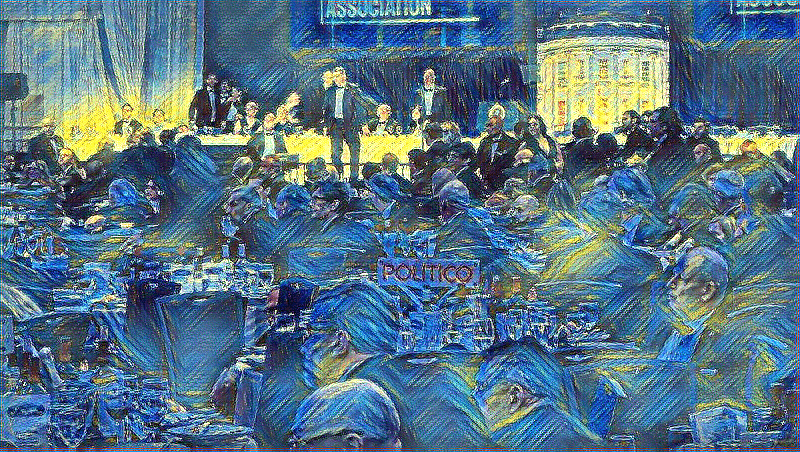
WHCD Attack: Facts Clash with Conspiracy Theories Online
Following an attempted gunman attack at the White House Correspondents’ Dinner (WHCD), social media was immediately flooded with conspiracy theories, despite journalists working to establish factual accounts. The speculation was fueled by a seemingly innocuous quote from Press Secretary Karoline Leavitt regarding 'shots fired,' which was widely misinterpreted. This incident reflects a broader, documented pattern of public distrust in official narratives, mirroring skepticism seen after major events like the Baltimore bridge collapse and the Butler, Pennsylvania attack. The discourse is characterized by political polarization, where questioning official accounts is common across the political spectrum.
Ad slot
Following an attempted gunman attack at the White House Correspondents’ Dinner (WHCD) on Saturday, social media quickly became saturated with conspiracy theories, overshadowing the efforts of journalists to establish facts. This incident highlights a broader pattern of distrust in official narratives, mirroring skepticism seen after other major national events.
The WHCD Incident and Viral Speculation
When the attack occurred at the Washington Hilton, immediate speculation began circulating online, even before details about the suspect or motives were known. The primary points of viral discussion included:
Karoline Leavitt's Comment: A clip of White House Press Secretary Karoline Leavitt stating, “There will be some shots fired tonight in the room,” was widely circulated. While context suggested she was referring to humorous jabs during President Trump’s planned speech, the remark was seized upon as evidence of a staged event.
Second Clip Speculation: Another Fox News clip involving Aishah Hasnie, a correspondent, was also subject to viral theories, with some users suggesting the broadcast was deliberately cut short.
In response to the speculation, Hasnie clarified that the call dropped due to poor service in the ballroom, confirming her colleague was expressing concern for her safety.
Broader Context of Distrust
Ad slot
The rapid spread of conspiracy theories surrounding the WHCD attack is set against a backdrop of heightened public skepticism regarding major national events. This pattern has been observed following:
The collapse of the Francis Scott Key Bridge in Baltimore (2024).
The LA fires of the previous year.
The attempted attack on Donald Trump in Butler, Pennsylvania (July 2024).
Journalists and commentators noted that the public discourse frequently seeks to assign blame to perceived political opponents during breaking news.
Political Polarization and Skepticism
The current environment is marked by deep political division, which fuels skepticism of official accounts. This was evident in discussions surrounding the Butler, Pennsylvania incident, where:
The Justice Department concluded that Thomas Crooks acted alone.
Figures like Tucker Carlson and Marjorie Taylor Greene questioned the completeness of the information released regarding Crooks, suggesting a potential cover-up.
Furthermore, the public discourse remains highly polarized, with commentators on both sides of the political spectrum using the lack of trust as a central theme in their commentary.