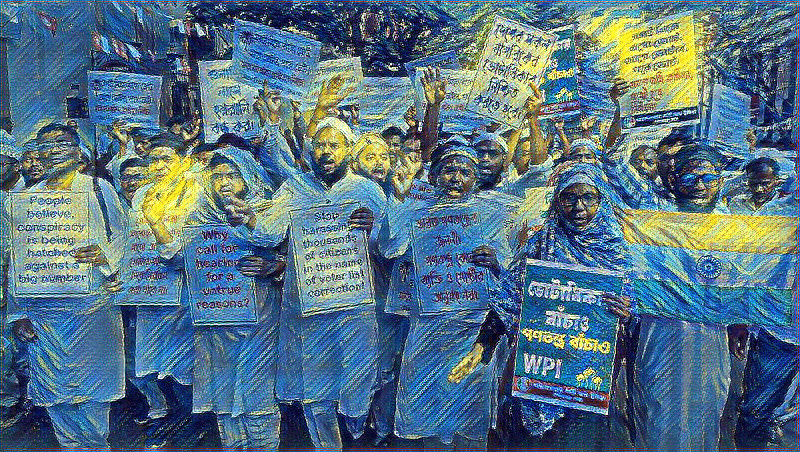
Days before crucial state elections, millions of voters in West Bengal have found their names removed from electoral rolls, sparking widespread concern over democratic rights. The controversy centers on the Election Commission of India's (ECI) mass deletion of names, which critics allege is politically motivated against the Muslim minority.
Impact on Voters and Concerns Over Eligibility
Individuals like Sadre Alam and Suprabuddha Sen, who have exercised their right to vote for decades, reported discovering their names missing from the rolls with little explanation. These cases highlight the systemic nature of the issue, affecting over nine million names in West Bengal alone.
- Sadre Alam: Was reportedly told his name was removed due to a "logical discrepancy" concerning a 15-year age gap between him and his mother in official records.
- Suprabuddha Sen: Found his voting rights revoked without any clear reason, despite his family's deep historical connection to India's democratic foundations.
Official Justifications vs. Critic Allegations
The Bharatiya Janata Party (BJP) maintains that the voter list clean-up is necessary to uphold democratic integrity by removing duplicates, deceased entries, and other discrepancies. However, critics argue that the ECI, an ostensibly independent body, is acting to advance a majoritarian agenda.
- Critic View: Critics suggest the process disproportionately targets and weakens the representation of India's Muslim minority, especially in West Bengal, where the community forms a significant portion of the population.
- Official Rhetoric: Home Minister Amit Shah previously hinted that the clean-up targets "infiltrators," suggesting authorities would "detect, delete, and deport" illegal immigrants.
The Scope of the Purge
Research from the Sabar Institute indicates that approximately 2.4 million deleted names in West Bengal belong to deceased individuals, leaving around 6.7 million names in question. While specific data on eligible voters is scarce, local reports suggest that many voters are being removed due to unclear rules and uncooperative local officials.
- Community Fear: In border districts like Murshidabad, fears have escalated beyond voting rights, with residents expressing worry that the purge could lead to questions regarding their fundamental Indian citizenship.
- Legal Recourse: While the Supreme Court has ruled that those struck off have the right to appeal, the election timeline remains a point of contention.
Conclusion
Despite some individuals successfully having their names restored after appealing to the Supreme Court, millions of voters remain uncertain about the security of their franchise and, in some cases, their citizenship status, leaving the democratic process in a state of limbo.