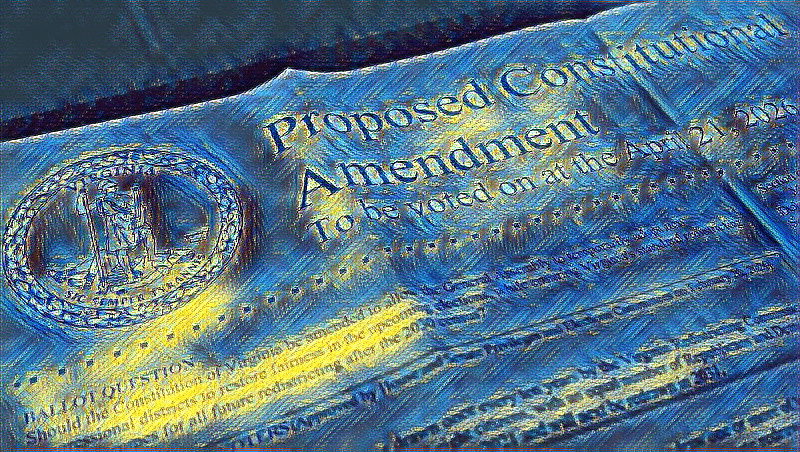
Virginia Democratic officials have appealed to the U.S. Supreme Court, seeking to reinstate a congressional map that they argue would significantly benefit their party in the upcoming midterm elections. This appeal comes after the state Supreme Court invalidated the Democrats' attempt to redraw the state's House map through a referendum held in April.
Basis for the Supreme Court Appeal
The Democrats contend that the state Supreme Court's ruling violated federal law and infringed upon the voters' right to elect representatives based on legally established districts. They are asking the federal court to temporarily halt the state's enforcement of the ruling for the current midterm election cycle.
- Core Argument: The officials stated the state court's decision was "deeply mistaken on two critical issues of federal law with profound practical importance to the nation."
- Impact: The proposed redistricting was anticipated to potentially allow the Democratic party to gain up to four additional seats in Virginia.
State Court Ruling and Democratic Opposition
The state's highest court ruled that the process employed by state officials to create the referendum used for the map redraw violated the state constitution. Democrats argue this ruling causes immediate and irreparable harm.
When addressing the U.S. Supreme Court, Democratic representatives asserted that the state court's action deprived voters and the commonwealth of their right to the districts lawfully enacted by the General Assembly following a constitutional amendment ratified by the people.
Broader Context of Redistricting Battles
Virginia's redistricting effort was viewed by Democrats as a means to counteract perceived advantages gained by Republicans following a major national legal decision. The U.S. Supreme Court is currently involved in numerous redistricting cases across the country, as both major parties seek to gain an advantage in the fall elections. This heightened scrutiny follows a significant ruling in late April that weakened the scope of the Voting Rights Act of 1965 in several southern states.