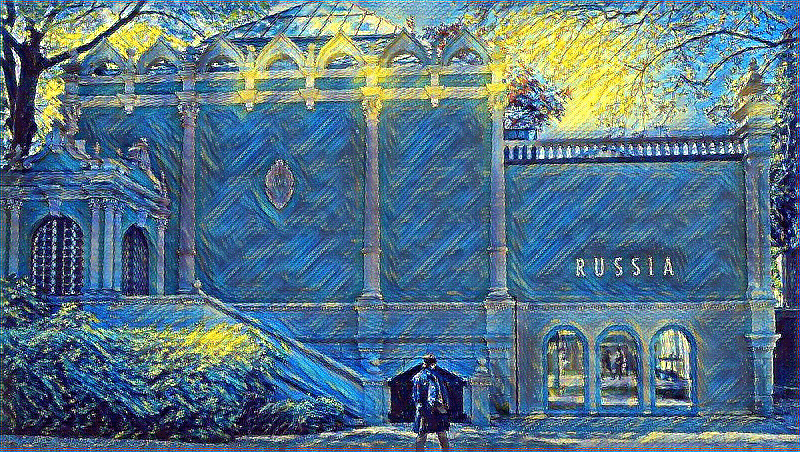
The prestigious Venice Biennale is set to open amidst significant political turmoil, facing intense criticism over the inclusion of Russia and controversies surrounding Israel's participation. The 61st edition of the global art exhibition is grappling with deep divisions concerning human rights and geopolitical conflicts, leading to notable withdrawals and protests.
Key Points of Controversy
The current edition of the Biennale is marked by several high-profile disputes:
- Russia's Participation: The event faces backlash for allowing Russia to participate despite the ongoing conflict with Ukraine. The Italian Minister of Culture, Alessandro Giuili, has been criticized for this decision.
- Israel's Pavilion: Over 200 artists and curators signed an open letter demanding the exclusion of Israel's pavilion due to alleged human rights abuses in Gaza.
- Jury Resignation: The esteemed five-person jury abruptly resigned, leading to the replacement of the traditional Gold and Silver Lions awards with two Visitors’ Prizes, open to the public.
Institutional and Political Fallout
The crisis extends to the highest levels of Italian culture and the Biennale's governance:
- Ministerial Absence: The absence of the Italian Culture Minister from the opening ceremony is a historical first. A spokesperson noted that Giuili would instead send inspectors to assess the reopening of the Russian Pavilion.
- Official Stance: The Biennale Foundation defended Russia's inclusion, stating that "no regulations have been violated and sanctions against the Russian Federation have been fully complied with."
- Internal Friction: The controversy has exposed a rift between the Biennale board and the international jury members. The jury previously issued a statement indicating they would not award artists from countries whose leaders face charges of crimes against humanity from the ICC, which would disqualify both Russia and Israel.
Geopolitical Tensions and International Response
The exhibition, which showcases art from 99 nations, is explicitly reflecting the current geopolitical climate. The protests highlight international condemnation:
- Ukrainian Condemnation: Ukraine's Foreign Minister called on organizers to reconsider Russia's inclusion, warning the Biennale should not become a platform for "whitewashing the war crimes."
- EU Threat: The European Commission condemned Russia's inclusion and threatened to withhold a $2 million funding grant unless the decision was reversed by May 11.
- Pavilion Status: Russia announced that its pavilion would not be open to the public, though media access was permitted for a limited period.
- Israel's Display: Instead of the main Israeli Pavilion, the exhibit will be held at a smaller venue in Venice’s Arsenale district, following earlier protests by participating artists.
Curatorial Vision Amidst Conflict
The exhibition was curated under the framework of Koyo Kouoh, whose statement urged artists to refuse "the spectacle of horror" and instead listen to the "minor keys," focusing on safeguarding human dignity.