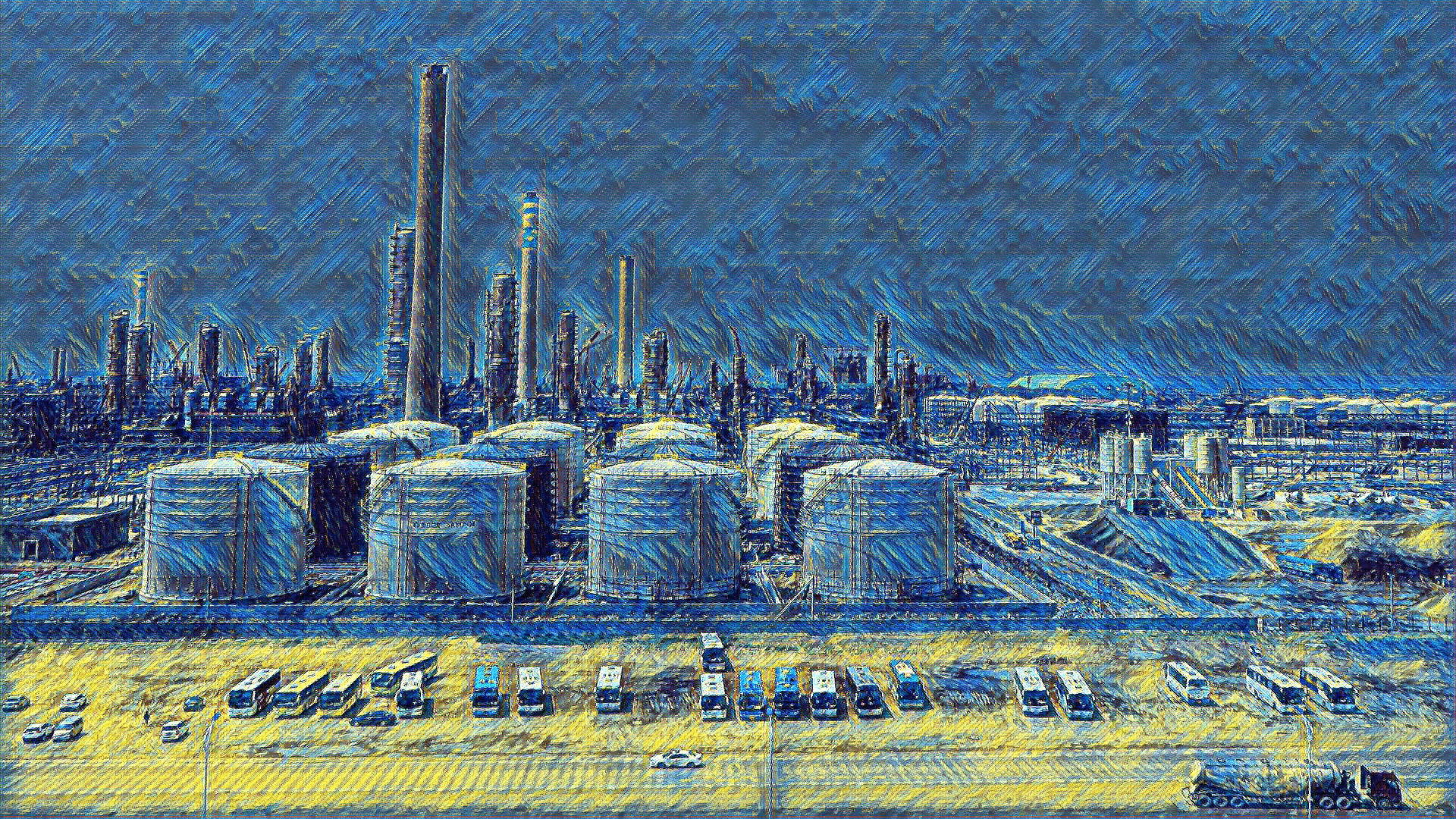
The U.S. Treasury Department imposed sanctions on a Chinese 'teapot' refinery for purchasing significant amounts of Iranian oil, coinciding with upcoming peace talks between Washington and Tehran.
Targeted Entities and Scope of Sanctions
The sanctions specifically targeted key infrastructure and maritime assets:
- Hengli Petrochemical (Dalian) Refinery: The Treasury Department identified this facility as one of Iran's major customers for crude oil and petroleum products.
- Shipping Sector: Sanctions were also placed on approximately 40 shipping companies and vessels associated with Iran's 'shadow fleet.'
China's Official Response
China strongly objected to the unilateral nature of the sanctions, characterizing them as illegal. The Chinese embassy in Washington issued a statement criticizing the actions:
- China asserted that normal trade activities should not be harmed by such measures.
- It urged the U.S. to cease what it termed the 'politicization' of trade and science-technology issues, warning against the 'abuse' of sanctions against Chinese companies.
Context for Chinese Refineries
The targeted refineries, often referred to as 'teapot' refineries, represent a significant portion of China's refining capacity and face existing economic pressures:
- Market Share: Teapot refineries account for roughly a quarter of China's total refining capacity.
- Operational Challenges: These facilities operate with narrow or sometimes negative profit margins.
- Recent Headwinds: They have recently faced difficulties due to subdued domestic demand.
Historically, the Trump administration had previously sanctioned other Chinese entities, including the Hebei Xinhai Chemical Group, Shandong Shouguang Luqing Petrochemical, and Shandong Shengxing Chemical, which had created operational hurdles for the refiners.