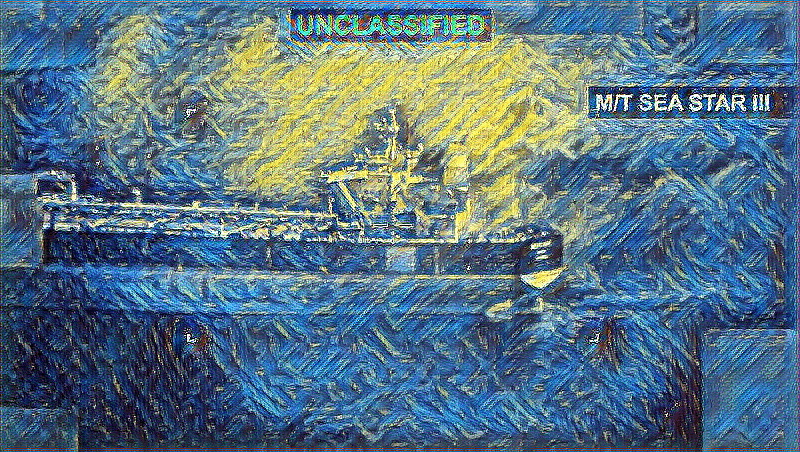
The U.S. military reported disabling two Iran-flagged oil tankers, the Sea Star III and the Sevda, with precision munitions fired into their funnels. The actions were reportedly taken because the vessels were allegedly violating a U.S. blockade of Iranian ports in the Gulf of Oman.
Incident Details and Evidence
U.S. Central Command (CENTCOM), which oversees Middle East military operations, released video evidence showing a U.S. Navy F/A-18 fighter jet striking the tankers. The reported incidents included:
- Sea Star III: Videos showed initial puffs of smoke from the smokestack, followed by darker smoke after the strike.
- Sevda: The footage displayed a burst of flame immediately followed by plumes of heavy black smoke.
CENTCOM stated that the tankers were unladen and attempting to reach an Iranian port while evading the ongoing U.S. blockade. No damage beyond the funnel area was visible in the provided videos, and no casualties were reported.
Analysis of the Attack Methodology
Military experts analyzed the footage to determine the nature of the munitions used. Key points from the analysis include:
- Weapon Type: Experts suggested the F/A-18 likely utilized 500-pound laser-guided bombs to achieve such precision.
- Targeting: Peter Layton, a former Royal Australian Air Force officer, suggested the jet aimed for the smokestack as a whole, requiring the laser spot to remain visible for at least ten seconds for accurate guidance.
- Munition Yield: Maritime shipping expert Sal Mercogliano noted that the munitions appeared to strike the lower base of the smokestacks. Another analyst suggested the use of inert munitions or low-yield explosives to cause disabling damage without large secondary blasts.
Broader Context of Blockade Enforcement
CENTCOM confirmed that these tankers were the second and third Iranian vessels hit by a U.S. F/A-18 within the preceding three days. The operation is part of a broader effort to enforce the blockade:
- On a previous date, a Navy jet reportedly disabled the rudder of another tanker using rounds from its 20mm cannon.
- CENTCOM stated that multiple vessels have been disabled, and over 50 have been redirected to ensure compliance with the blockade of Iranian ports.