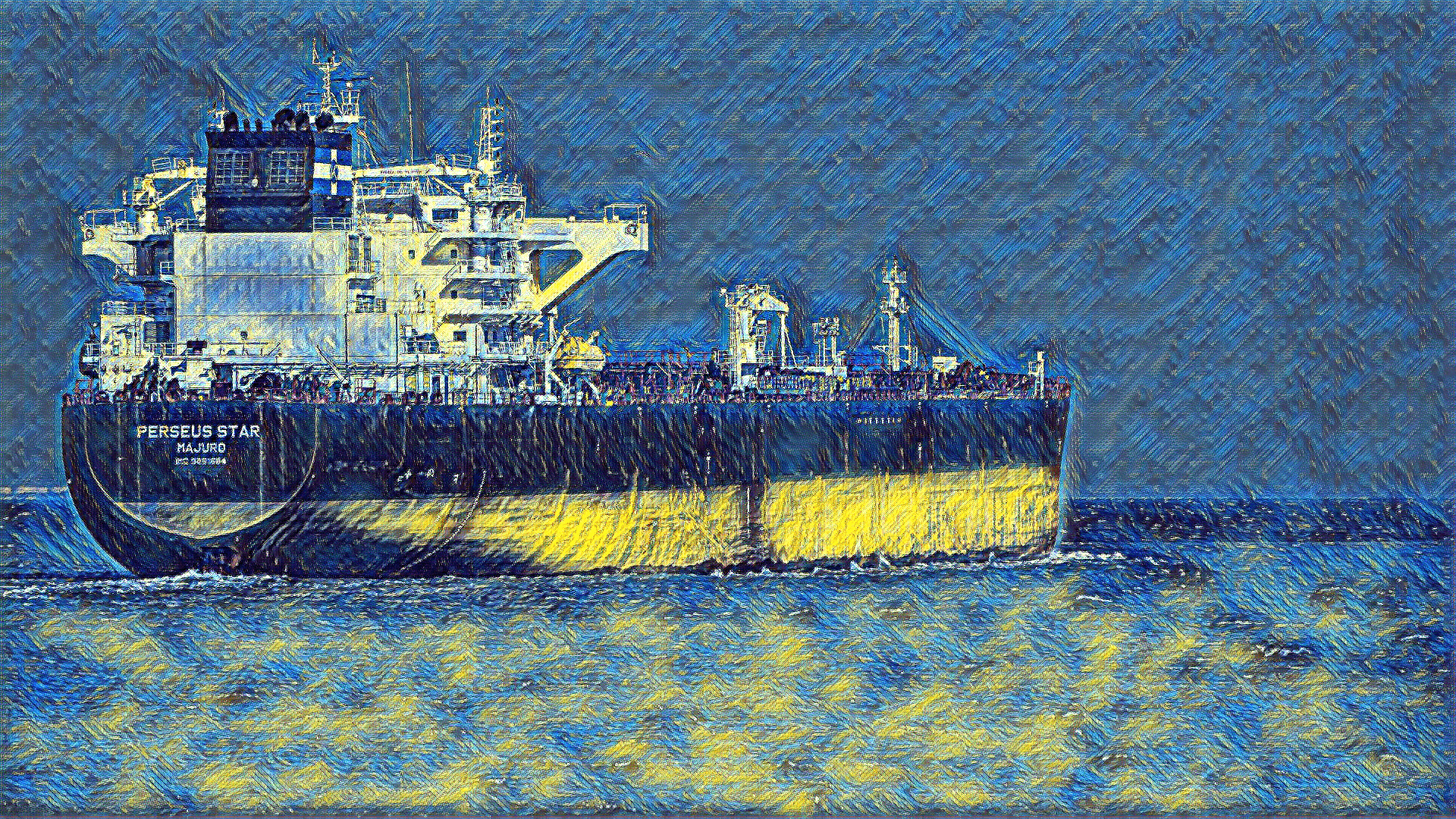
U.S. crude oil exports have reached record highs as tankers converge on the Gulf Coast, driven by geopolitical disruptions in the Persian Gulf. The Port of Corpus Christi, Texas, is experiencing unprecedented activity as global energy trade reroutes due to regional instability.
Surge in U.S. Oil Exports
Data indicates a significant escalation in American crude oil exports. According to Kpler, U.S. oil exports reached 5.2 million barrels per day (bpd) in April.
- This figure represents an increase of over 30% compared to the 3.9 million bpd exported in February prior to the current geopolitical situation.
Impact of Persian Gulf Disruptions
The surge in U.S. exports is attributed to the operational difficulties faced by major ports in the Persian Gulf, particularly due to blockades affecting the Strait of Hormuz.
- The increased global reliance on U.S. export terminals highlights the growing strategic importance of American energy infrastructure.
Port Activity and Historical Context
The Port of Corpus Christi has become a central hub for this increased trade volume. The port's activity metrics show notable increases:
- Busiest Period: March was cited as the busiest month in the port's history, and the first quarter was its most active quarter on record.
- Traffic Increase: Ship traffic in Corpus Christi rose to over 240 vessels in March, compared to the port's usual monthly average of 200 vessels.
- Export Growth: Oil exports have increased to approximately 2.5 million barrels per day since the conflict began, up from 2.2 million bpd in the previous year.
Historically, the Texas port was already a major player, ranking as the third-largest oil export terminal globally before the recent disruptions, trailing only Ras Tanura in Saudi Arabia and Basra in Iraq.